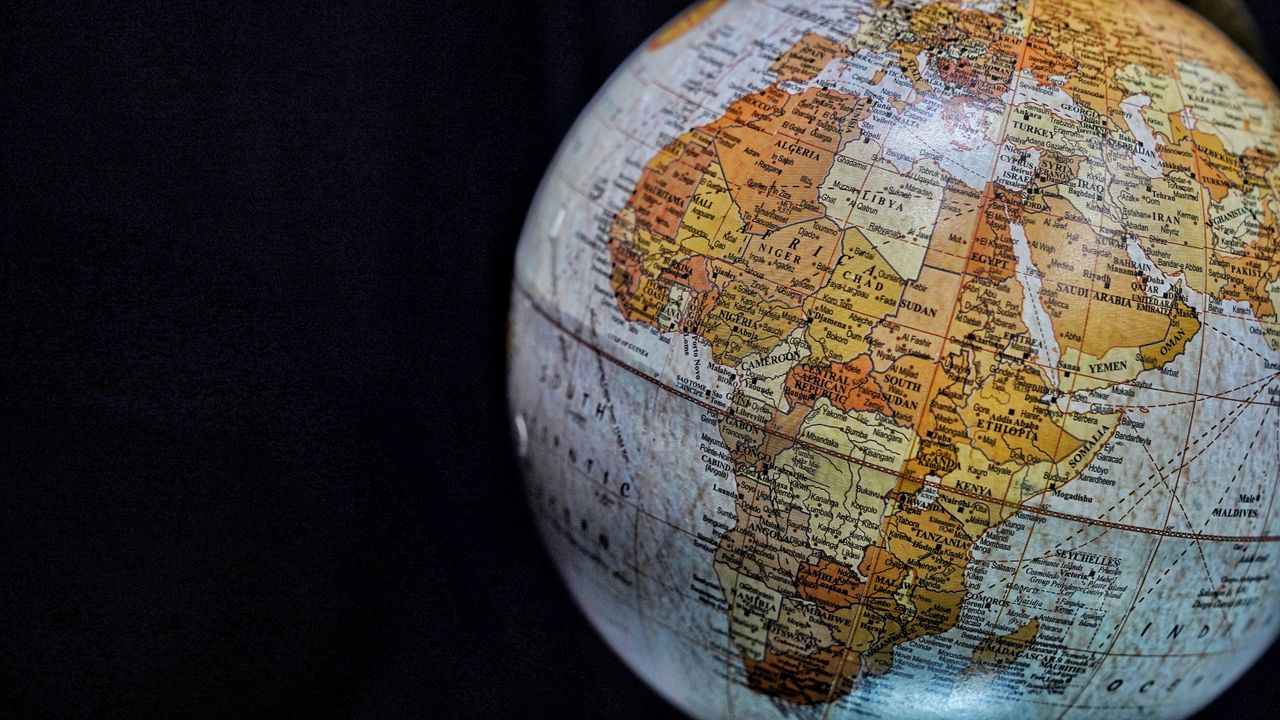
Côte d'Ivoire is often written Ivory Coast, Cabo Verde is also called Cape Verde, and Eswatini was Swaziland until 2018. The two Congos sit under D (the Democratic Republic of the Congo, capital Kinshasa) and R (the Republic of the Congo, capital Brazzaville).
All 54 African countries and capitals, A to Z
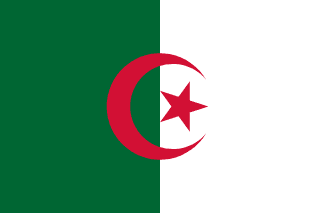 Algeria
- Capital:
- Algiers
- Currency:
- Algerian dinar
- UN region:
- Northern Africa
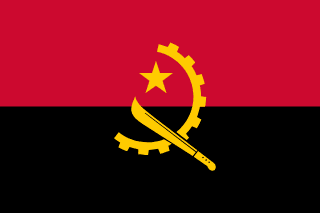 Angola
- Capital:
- Luanda
- Currency:
- Kwanza
- UN region:
- Middle Africa
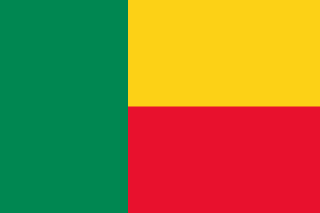 Benin
- Capital:
- Porto-Novo
- Currency:
- West African CFA franc
- UN region:
- Western Africa
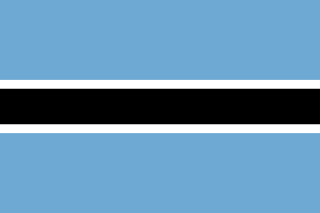 Botswana
- Capital:
- Gaborone
- Currency:
- Pula
- UN region:
- Southern Africa
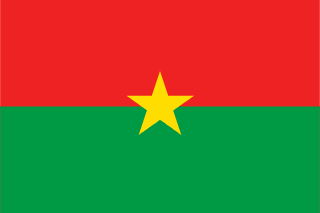 Burkina Faso
- Capital:
- Ouagadougou
- Currency:
- West African CFA franc
- UN region:
- Western Africa
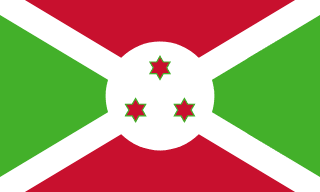 Burundi
- Capital:
- Gitega
- Currency:
- Burundian franc
- UN region:
- Eastern Africa
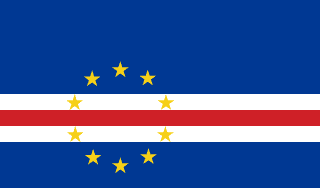 Cabo Verde
- Capital:
- Praia
- Currency:
- Cape Verdean escudo
- UN region:
- Western Africa
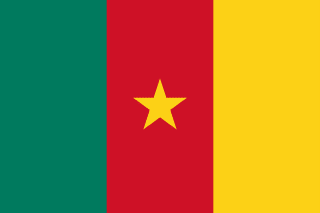 Cameroon
- Capital:
- Yaoundé
- Currency:
- Central African CFA franc
- UN region:
- Middle Africa
 Central African Republic
- Capital:
- Bangui
- Currency:
- Central African CFA franc
- UN region:
- Middle Africa
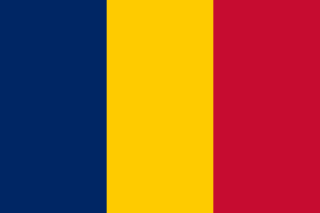 Chad
- Capital:
- N'Djamena
- Currency:
- Central African CFA franc
- UN region:
- Middle Africa
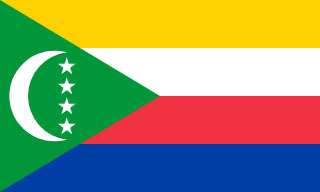 Comoros
- Capital:
- Moroni
- Currency:
- Comorian franc
- UN region:
- Eastern Africa
 Côte d'Ivoire
- Capital:
- Yamoussoukro
- Currency:
- West African CFA franc
- UN region:
- Western Africa
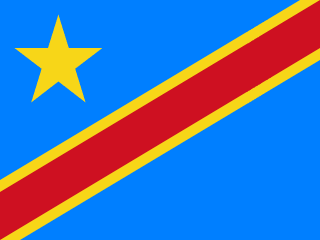 Democratic Republic of the Congo
- Capital:
- Kinshasa
- Currency:
- Congolese franc
- UN region:
- Middle Africa
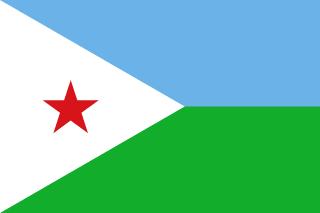 Djibouti
- Capital:
- Djibouti
- Currency:
- Djiboutian franc
- UN region:
- Eastern Africa
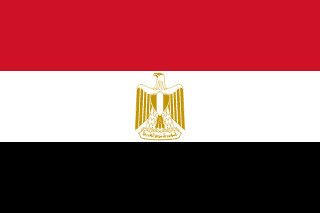 Egypt
- Capital:
- Cairo
- Currency:
- Egyptian pound
- UN region:
- Northern Africa
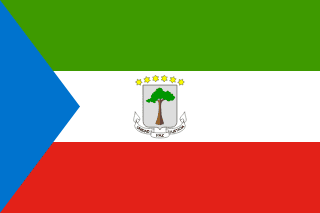 Equatorial Guinea
- Capital:
- Ciudad de la Paz
- Currency:
- Central African CFA franc
- UN region:
- Middle Africa
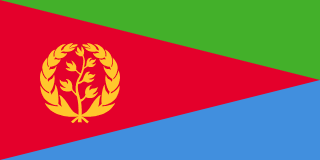 Eritrea
- Capital:
- Asmara
- Currency:
- Nakfa
- UN region:
- Eastern Africa
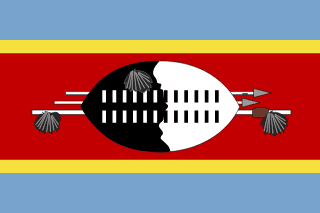 Eswatini
- Capital:
- Mbabane and Lobamba
- Currency:
- Lilangeni
- UN region:
- Southern Africa
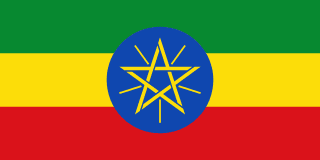 Ethiopia
- Capital:
- Addis Ababa
- Currency:
- Ethiopian birr
- UN region:
- Eastern Africa
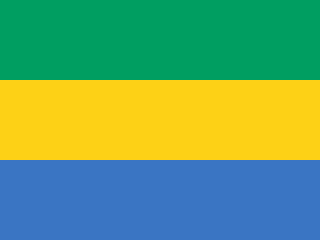 Gabon
- Capital:
- Libreville
- Currency:
- Central African CFA franc
- UN region:
- Middle Africa
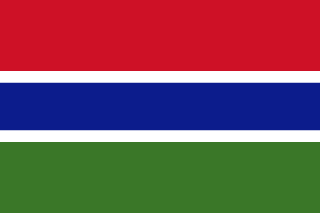 Gambia
- Capital:
- Banjul
- Currency:
- Dalasi
- UN region:
- Western Africa
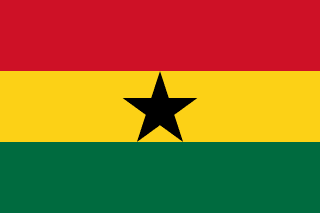 Ghana
- Capital:
- Accra
- Currency:
- Ghanaian cedi
- UN region:
- Western Africa
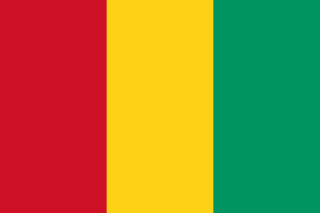 Guinea
- Capital:
- Conakry
- Currency:
- Guinean franc
- UN region:
- Western Africa
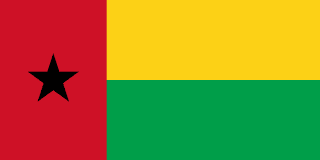 Guinea-Bissau
- Capital:
- Bissau
- Currency:
- West African CFA franc
- UN region:
- Western Africa
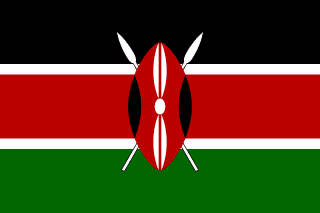 Kenya
- Capital:
- Nairobi
- Currency:
- Kenyan shilling
- UN region:
- Eastern Africa
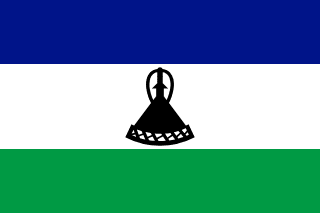 Lesotho
- Capital:
- Maseru
- Currency:
- Loti
- UN region:
- Southern Africa
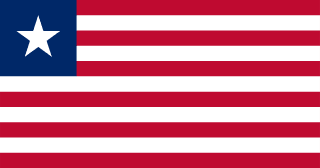 Liberia
- Capital:
- Monrovia
- Currency:
- Liberian dollar
- UN region:
- Western Africa
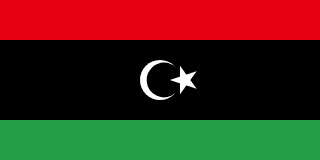 Libya
- Capital:
- Tripoli
- Currency:
- Libyan dinar
- UN region:
- Northern Africa
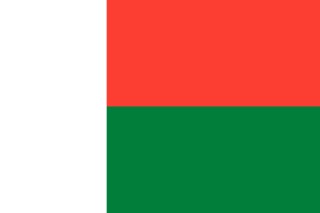 Madagascar
- Capital:
- Antananarivo
- Currency:
- Malagasy ariary
- UN region:
- Eastern Africa
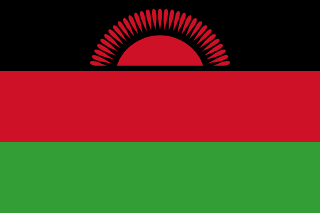 Malawi
- Capital:
- Lilongwe
- Currency:
- Malawian kwacha
- UN region:
- Eastern Africa
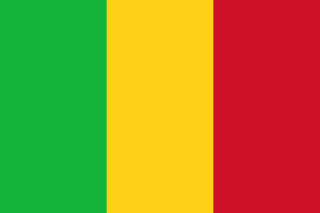 Mali
- Capital:
- Bamako
- Currency:
- West African CFA franc
- UN region:
- Western Africa
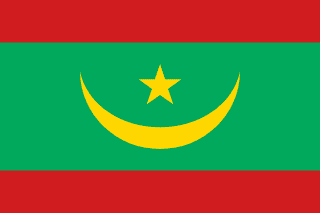 Mauritania
- Capital:
- Nouakchott
- Currency:
- Ouguiya
- UN region:
- Western Africa
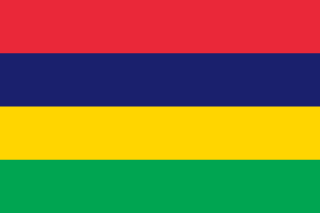 Mauritius
- Capital:
- Port Louis
- Currency:
- Mauritian rupee
- UN region:
- Eastern Africa
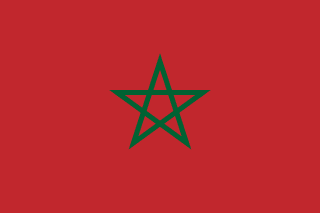 Morocco
- Capital:
- Rabat
- Currency:
- Moroccan dirham
- UN region:
- Northern Africa
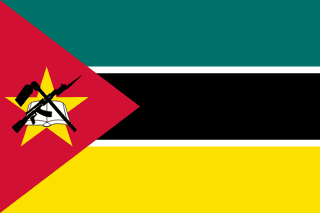 Mozambique
- Capital:
- Maputo
- Currency:
- Mozambican metical
- UN region:
- Eastern Africa
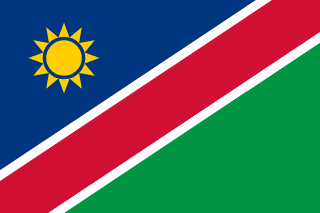 Namibia
- Capital:
- Windhoek
- Currency:
- Namibian dollar
- UN region:
- Southern Africa
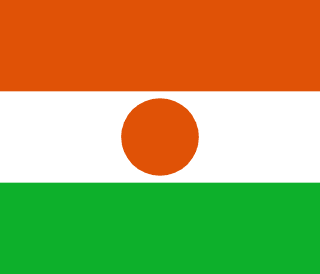 Niger
- Capital:
- Niamey
- Currency:
- West African CFA franc
- UN region:
- Western Africa
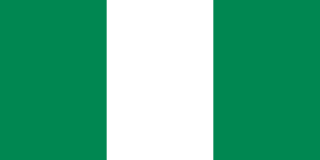 Nigeria
- Capital:
- Abuja
- Currency:
- Naira
- UN region:
- Western Africa
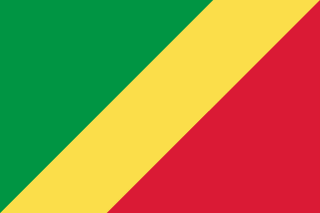 Republic of the Congo
- Capital:
- Brazzaville
- Currency:
- Central African CFA franc
- UN region:
- Middle Africa
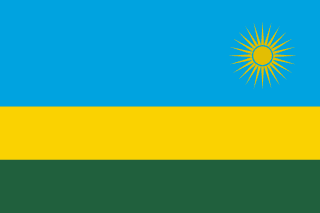 Rwanda
- Capital:
- Kigali
- Currency:
- Rwandan franc
- UN region:
- Eastern Africa
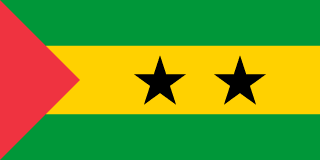 São Tomé and Príncipe
- Capital:
- São Tomé
- Currency:
- Dobra
- UN region:
- Middle Africa
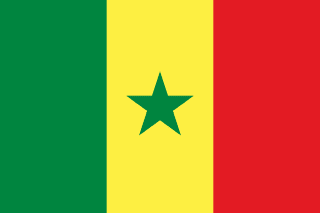 Senegal
- Capital:
- Dakar
- Currency:
- West African CFA franc
- UN region:
- Western Africa
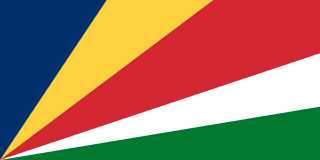 Seychelles
- Capital:
- Victoria
- Currency:
- Seychellois rupee
- UN region:
- Eastern Africa
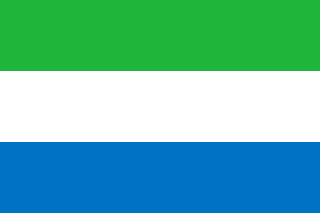 Sierra Leone
- Capital:
- Freetown
- Currency:
- Leone
- UN region:
- Western Africa
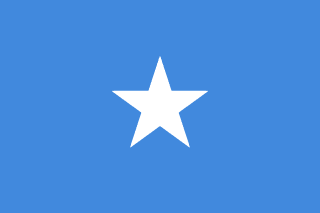 Somalia
- Capital:
- Mogadishu
- Currency:
- Somali shilling
- UN region:
- Eastern Africa
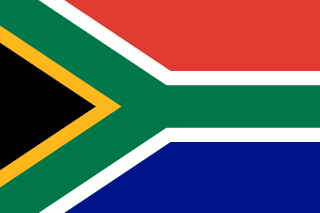 South Africa
- Capital:
- Pretoria, Cape Town and Bloemfontein
- Currency:
- Rand
- UN region:
- Southern Africa
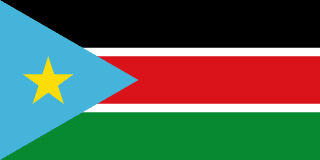 South Sudan
- Capital:
- Juba
- Currency:
- South Sudanese pound
- UN region:
- Eastern Africa
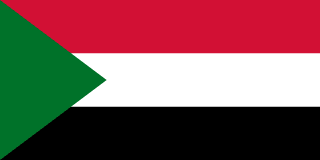 Sudan
- Capital:
- Khartoum
- Currency:
- Sudanese pound
- UN region:
- Northern Africa
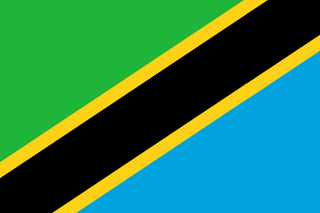 Tanzania
- Capital:
- Dodoma
- Currency:
- Tanzanian shilling
- UN region:
- Eastern Africa
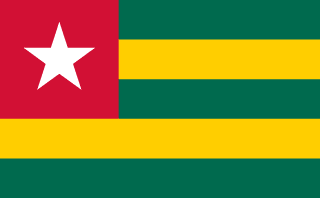 Togo
- Capital:
- Lomé
- Currency:
- West African CFA franc
- UN region:
- Western Africa
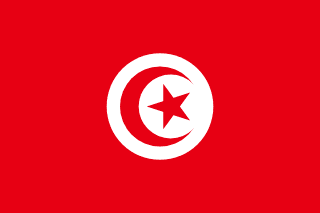 Tunisia
- Capital:
- Tunis
- Currency:
- Tunisian dinar
- UN region:
- Northern Africa
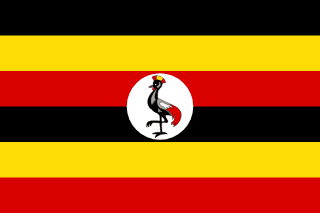 Uganda
- Capital:
- Kampala
- Currency:
- Ugandan shilling
- UN region:
- Eastern Africa
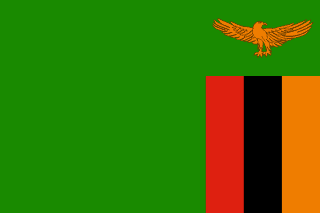 Zambia
- Capital:
- Lusaka
- Currency:
- Zambian kwacha
- UN region:
- Eastern Africa
 Zimbabwe
- Capital:
- Harare
- Currency:
- Zimbabwe gold (ZiG)
- UN region:
- Eastern Africa
| Country | Capital | Currency | UN region |
|---|---|---|---|
| Algeria | Algiers | Algerian dinar | Northern Africa |
| Angola | Luanda | Kwanza | Middle Africa |
| Benin | Porto-Novo | West African CFA franc | Western Africa |
| Botswana | Gaborone | Pula | Southern Africa |
| Burkina Faso | Ouagadougou | West African CFA franc | Western Africa |
| Burundi | Gitega | Burundian franc | Eastern Africa |
| Cabo Verde | Praia | Cape Verdean escudo | Western Africa |
| Cameroon | Yaoundé | Central African CFA franc | Middle Africa |
| Central African Republic | Bangui | Central African CFA franc | Middle Africa |
| Chad | N'Djamena | Central African CFA franc | Middle Africa |
| Comoros | Moroni | Comorian franc | Eastern Africa |
| Côte d'Ivoire | Yamoussoukro | West African CFA franc | Western Africa |
| Democratic Republic of the Congo | Kinshasa | Congolese franc | Middle Africa |
| Djibouti | Djibouti | Djiboutian franc | Eastern Africa |
| Egypt | Cairo | Egyptian pound | Northern Africa |
| Equatorial Guinea | Ciudad de la Paz | Central African CFA franc | Middle Africa |
| Eritrea | Asmara | Nakfa | Eastern Africa |
| Eswatini | Mbabane and Lobamba | Lilangeni | Southern Africa |
| Ethiopia | Addis Ababa | Ethiopian birr | Eastern Africa |
| Gabon | Libreville | Central African CFA franc | Middle Africa |
| Gambia | Banjul | Dalasi | Western Africa |
| Ghana | Accra | Ghanaian cedi | Western Africa |
| Guinea | Conakry | Guinean franc | Western Africa |
| Guinea-Bissau | Bissau | West African CFA franc | Western Africa |
| Kenya | Nairobi | Kenyan shilling | Eastern Africa |
| Lesotho | Maseru | Loti | Southern Africa |
| Liberia | Monrovia | Liberian dollar | Western Africa |
| Libya | Tripoli | Libyan dinar | Northern Africa |
| Madagascar | Antananarivo | Malagasy ariary | Eastern Africa |
| Malawi | Lilongwe | Malawian kwacha | Eastern Africa |
| Mali | Bamako | West African CFA franc | Western Africa |
| Mauritania | Nouakchott | Ouguiya | Western Africa |
| Mauritius | Port Louis | Mauritian rupee | Eastern Africa |
| Morocco | Rabat | Moroccan dirham | Northern Africa |
| Mozambique | Maputo | Mozambican metical | Eastern Africa |
| Namibia | Windhoek | Namibian dollar | Southern Africa |
| Niger | Niamey | West African CFA franc | Western Africa |
| Nigeria | Abuja | Naira | Western Africa |
| Republic of the Congo | Brazzaville | Central African CFA franc | Middle Africa |
| Rwanda | Kigali | Rwandan franc | Eastern Africa |
| São Tomé and Príncipe | São Tomé | Dobra | Middle Africa |
| Senegal | Dakar | West African CFA franc | Western Africa |
| Seychelles | Victoria | Seychellois rupee | Eastern Africa |
| Sierra Leone | Freetown | Leone | Western Africa |
| Somalia | Mogadishu | Somali shilling | Eastern Africa |
| South Africa | Pretoria, Cape Town and Bloemfontein | Rand | Southern Africa |
| South Sudan | Juba | South Sudanese pound | Eastern Africa |
| Sudan | Khartoum | Sudanese pound | Northern Africa |
| Tanzania | Dodoma | Tanzanian shilling | Eastern Africa |
| Togo | Lomé | West African CFA franc | Western Africa |
| Tunisia | Tunis | Tunisian dinar | Northern Africa |
| Uganda | Kampala | Ugandan shilling | Eastern Africa |
| Zambia | Lusaka | Zambian kwacha | Eastern Africa |
| Zimbabwe | Harare | Zimbabwe gold (ZiG) | Eastern Africa |
Africa's newest capital: Ciudad de la Paz
A decree of 2 January 2026 made Ciudad de la Paz the capital of Equatorial Guinea in place of Malabo, which sits on the island of Bioko. The decree gives the presidency, the government and state bodies one year to move there. Lists made before 2026 still say Malabo.
African countries with more than one capital
These five split the job of capital between two or three cities.
- South Africa has three: Pretoria (executive), Cape Town (legislative) and Bloemfontein (judicial). Johannesburg, the largest urban area, is not one of them.
- Benin: Porto-Novo is the official capital and the seat of parliament, but the president and most ministers are based in Cotonou, the largest city.
- Côte d'Ivoire: Yamoussoukro has been the official capital since 1983, while Abidjan, the largest city, is the capital in practice.
- Eswatini: Mbabane is the administrative and judicial capital, and Lobamba the legislative one.
- Burundi: a 2019 law made Gitega the political capital and Bujumbura the economic one. Britannica notes that the government's move to Gitega was still not complete in July 2026.
Capitals that are not the biggest city
In these ten countries the capital is not the largest city. Lagos was Nigeria's capital until 1991, when Abuja took over, and it is still the country's largest city. Britannica names the largest city for eight of them. For the other two I use Wikipedia: its page on Bata (309,345 people at the 2015 census) for Equatorial Guinea, and its list of countries whose capital is not their largest city for the Gambia.
- Nigeria
- Capital:
- Abuja
- Largest city:
- Lagos
- Côte d'Ivoire
- Capital:
- Yamoussoukro
- Largest city:
- Abidjan
- Tanzania
- Capital:
- Dodoma
- Largest city:
- Dar es Salaam
- Morocco
- Capital:
- Rabat
- Largest city:
- Casablanca
- Benin
- Capital:
- Porto-Novo
- Largest city:
- Cotonou
- Burundi
- Capital:
- Gitega
- Largest city:
- Bujumbura
- Cameroon
- Capital:
- Yaoundé
- Largest city:
- Douala
- South Africa
- Capital:
- Pretoria
- Largest city:
- Johannesburg
- Equatorial Guinea
- Capital:
- Ciudad de la Paz
- Largest city:
- Bata
- Gambia
- Capital:
- Banjul
- Largest city:
- Serrekunda
| Country | Capital | Largest city |
|---|---|---|
| Nigeria | Abuja | Lagos |
| Côte d'Ivoire | Yamoussoukro | Abidjan |
| Tanzania | Dodoma | Dar es Salaam |
| Morocco | Rabat | Casablanca |
| Benin | Porto-Novo | Cotonou |
| Burundi | Gitega | Bujumbura |
| Cameroon | Yaoundé | Douala |
| South Africa | Pretoria | Johannesburg |
| Equatorial Guinea | Ciudad de la Paz | Bata |
| Gambia | Banjul | Serrekunda |
African countries by region
The UN Statistics Division splits Africa into five regions. It calls the middle of the continent Middle Africa, and it puts Zambia, Zimbabwe, Malawi and Mozambique in Eastern Africa rather than Southern Africa.
- Northern Africa (6): Algeria, Egypt, Libya, Morocco, Sudan and Tunisia.
- Western Africa (16): Benin, Burkina Faso, Cabo Verde, Côte d'Ivoire, Gambia, Ghana, Guinea, Guinea-Bissau, Liberia, Mali, Mauritania, Niger, Nigeria, Senegal, Sierra Leone and Togo.
- Middle Africa (9): Angola, Cameroon, the Central African Republic, Chad, the Democratic Republic of the Congo, Equatorial Guinea, Gabon, the Republic of the Congo and São Tomé and Príncipe.
- Eastern Africa (18): Burundi, Comoros, Djibouti, Eritrea, Ethiopia, Kenya, Madagascar, Malawi, Mauritius, Mozambique, Rwanda, Seychelles, Somalia, South Sudan, Tanzania, Uganda, Zambia and Zimbabwe.
- Southern Africa (5): Botswana, Eswatini, Lesotho, Namibia and South Africa.
The African Union draws its own five regions around its 55 members: 7 in Northern Africa, 15 in Western, 9 in Central, 14 in Eastern and 10 in Southern Africa.
How many countries are in Africa: 54 or 55?
54 is the number of African countries in the UN, and it is the count this list uses. The African Union has 55 members. The extra one is the Sahrawi Arab Democratic Republic, which joined in 1982 and claims Western Sahara, a territory Morocco also claims. Morocco left the AU's forerunner, the Organization of African Unity, over that seat in 1984 and came back in 2017.
Somaliland, in the north of Somalia, has governed itself since 1991, and Israel recognised it in December 2025. It is not a member of the UN or the AU, so it counts as part of Somalia here.
The UN's Africa region also lists places that belong to other countries, such as Réunion and Mayotte (France) and Saint Helena (the United Kingdom). They are not countries, so no count includes them.
African currencies
Fourteen countries share two CFA francs. The West African CFA franc is used in Benin, Burkina Faso, Côte d'Ivoire, Guinea-Bissau, Mali, Niger, Senegal and Togo. The Central African CFA franc is used in Cameroon, the Central African Republic, Chad, the Republic of the Congo, Equatorial Guinea and Gabon. They are two separate currencies, issued by two different central banks.
Lesotho, Namibia and Eswatini have their own money, but the South African rand is used there as well. The ISO currency list names the rand next to the loti in Lesotho and next to the Namibian dollar in Namibia, and Britannica notes that the rand is accepted in Eswatini.
Zimbabwe's central bank launched the Zimbabwe gold, or ZiG, in April 2024 to replace the Zimbabwean dollar.
How many of the 54 can you name?
The Countries of the World Quiz asks for all 197 countries, Africa's 54 among them, and colours the map as you type.
Play Countries of the World QuizQuestions people ask
How many countries are in Africa?
54, and all of them are members of the United Nations. The African Union has 55 members, because it also counts the Sahrawi Republic, which claims Western Sahara.
Which African country has three capitals?
South Africa. Pretoria is the executive capital, Cape Town the legislative capital and Bloemfontein the judicial capital.
What is the capital of Africa?
Africa is a continent, so it has no capital. The African Union has its headquarters in Addis Ababa, the capital of Ethiopia.
What is the newest country in Africa?
South Sudan. It became independent from Sudan on 9 July 2011 and joined the UN five days later. Its capital is Juba.
Sources
- United Nations: member states
- UN Statistics Division: standard country and area codes (M49 regions)
- African Union: member states
- Britannica: list of countries, linking to each country's capital and currency
- ISO 4217 currency list, published 17 September 2026 (SIX, the maintenance agency)
- Guinea Ecuatorial Press: decree-law declaring Ciudad de la Paz the capital (2 January 2026)
- Britannica: Equatorial Guinea
- Britannica: Malabo
- Britannica: South Africa
- Britannica: Benin
- Britannica: Côte d'Ivoire
- Britannica: Abidjan
- Britannica: Eswatini
- Britannica: Burundi
- Britannica: Lagos
- Britannica: Tanzania
- Britannica: Morocco
- Britannica: Douala
- Wikipedia: list of countries whose capital is not their largest city
- Wikipedia: Bata, Equatorial Guinea (2015 census)
- Britannica: Western Sahara
- The Christian Science Monitor: with Morocco's return, African Union now complete (2017)
- Al Jazeera: Israel becomes first country to recognise Somaliland (2025)
- News24: Zimbabwe ditches Zim dollar for new gold-backed currency called ZiG (2024)
- Britannica: Ethiopia
- Britannica: South Sudan