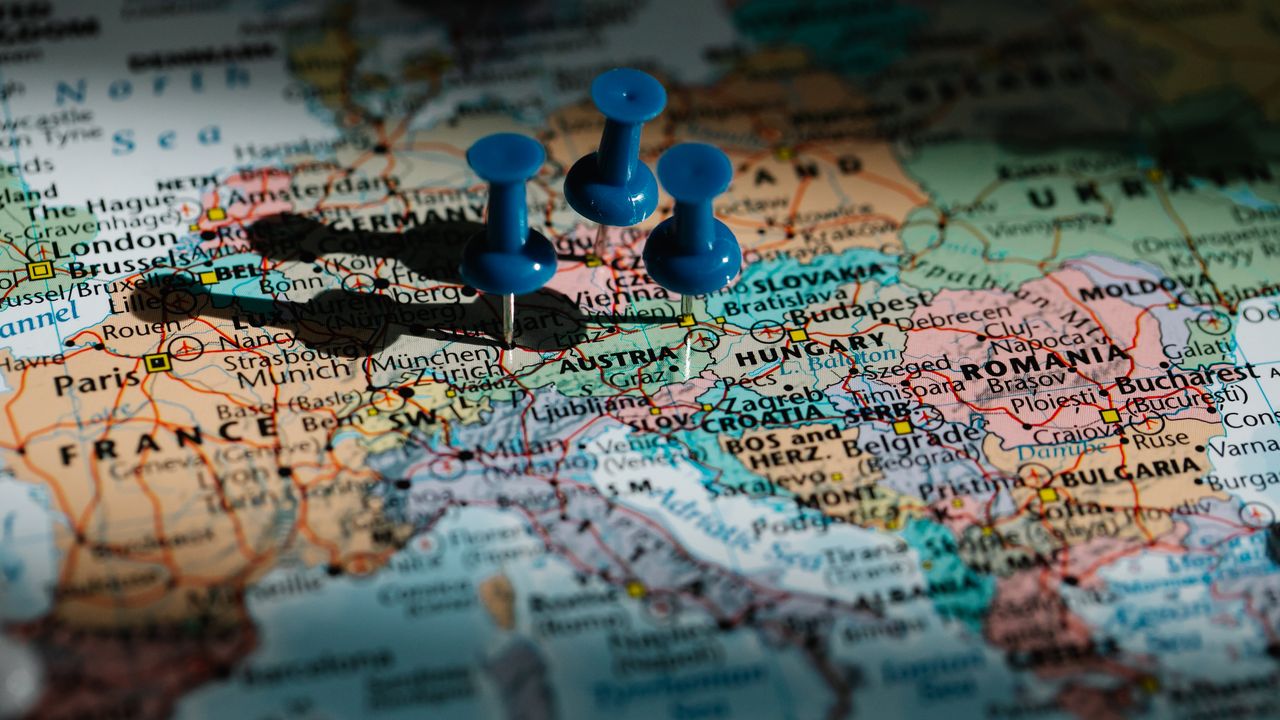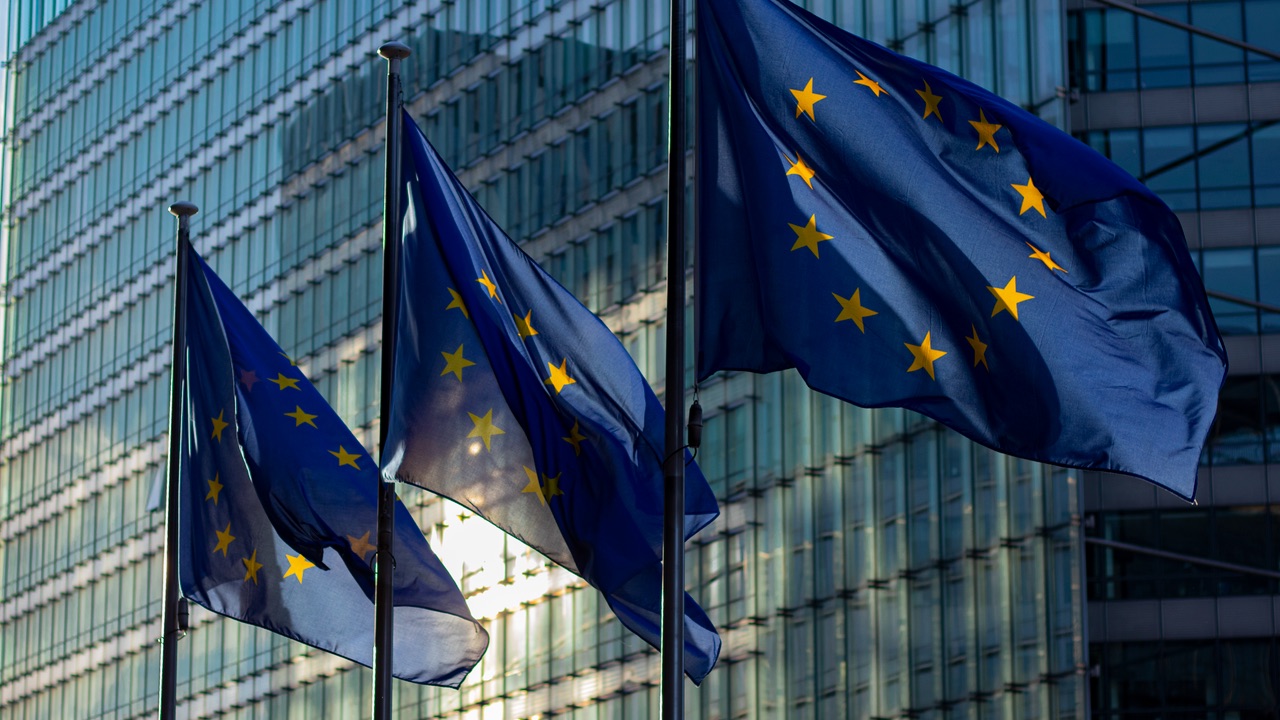
The table gives every country with its capital and its currency. The last column shows which of the three counts include it, so you can cut the list down to 44 or 50 if your class or textbook uses one of those. For the same countries sorted into Northern, Southern, Eastern and Western Europe, see European countries by region.
All 51 European countries and capitals, A to Z
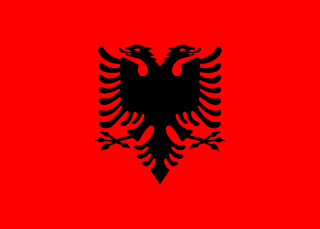 Albania
- Capital:
- Tirana
- Currency:
- Albanian lek
- Counted in:
- 44, 50, 51
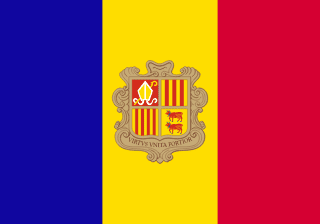 Andorra
- Capital:
- Andorra la Vella
- Currency:
- Euro
- Counted in:
- 44, 50, 51
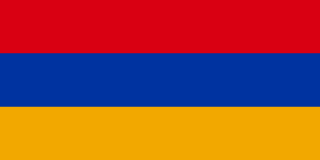 Armenia
- Capital:
- Yerevan
- Currency:
- Armenian dram
- Counted in:
- 50, 51
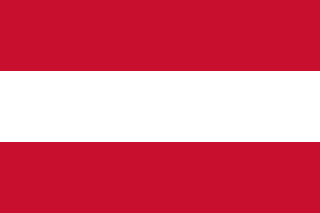 Austria
- Capital:
- Vienna
- Currency:
- Euro
- Counted in:
- 44, 50, 51
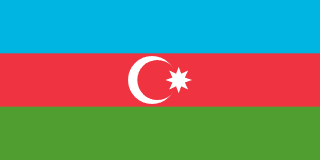 Azerbaijan
- Capital:
- Baku
- Currency:
- Azerbaijani manat
- Counted in:
- 50, 51
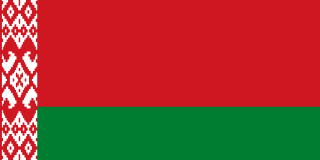 Belarus
- Capital:
- Minsk
- Currency:
- Belarusian ruble
- Counted in:
- 44, 50, 51
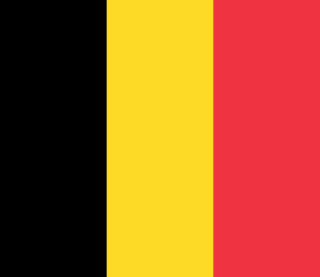 Belgium
- Capital:
- Brussels
- Currency:
- Euro
- Counted in:
- 44, 50, 51
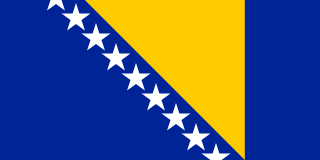 Bosnia and Herzegovina
- Capital:
- Sarajevo
- Currency:
- Convertible mark
- Counted in:
- 44, 50, 51
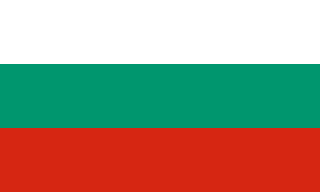 Bulgaria
- Capital:
- Sofia
- Currency:
- Euro
- Counted in:
- 44, 50, 51
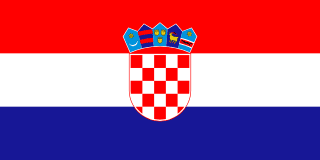 Croatia
- Capital:
- Zagreb
- Currency:
- Euro
- Counted in:
- 44, 50, 51
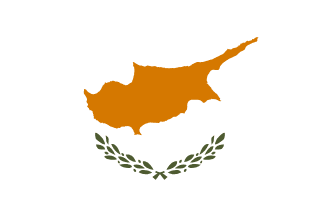 Cyprus
- Capital:
- Nicosia
- Currency:
- Euro
- Counted in:
- 50, 51
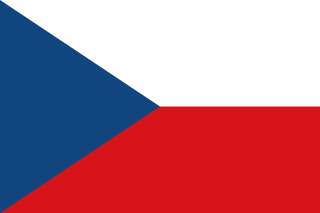 Czechia
- Capital:
- Prague
- Currency:
- Czech koruna
- Counted in:
- 44, 50, 51
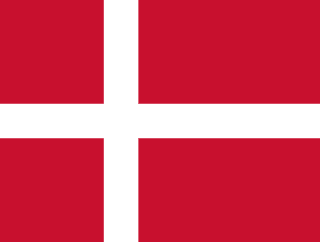 Denmark
- Capital:
- Copenhagen
- Currency:
- Danish krone
- Counted in:
- 44, 50, 51
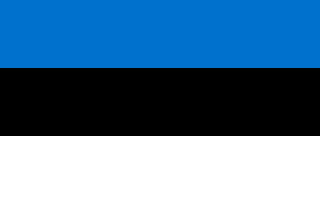 Estonia
- Capital:
- Tallinn
- Currency:
- Euro
- Counted in:
- 44, 50, 51
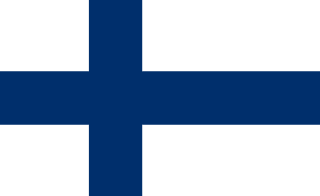 Finland
- Capital:
- Helsinki
- Currency:
- Euro
- Counted in:
- 44, 50, 51
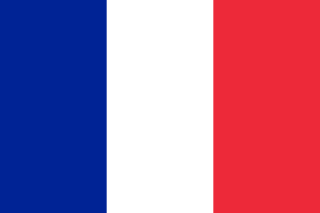 France
- Capital:
- Paris
- Currency:
- Euro
- Counted in:
- 44, 50, 51
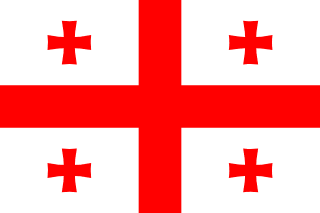 Georgia
- Capital:
- Tbilisi
- Currency:
- Georgian lari
- Counted in:
- 50, 51
 Germany
- Capital:
- Berlin
- Currency:
- Euro
- Counted in:
- 44, 50, 51
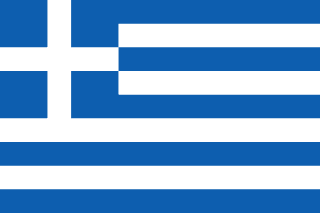 Greece
- Capital:
- Athens
- Currency:
- Euro
- Counted in:
- 44, 50, 51
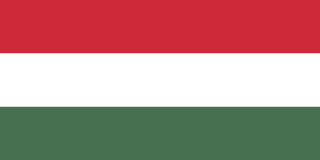 Hungary
- Capital:
- Budapest
- Currency:
- Hungarian forint
- Counted in:
- 44, 50, 51
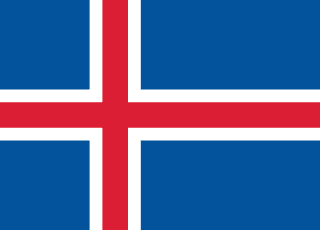 Iceland
- Capital:
- Reykjavik
- Currency:
- Icelandic krona
- Counted in:
- 44, 50, 51
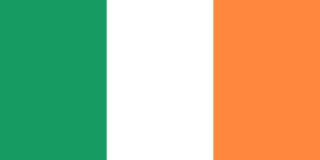 Ireland
- Capital:
- Dublin
- Currency:
- Euro
- Counted in:
- 44, 50, 51
 Italy
- Capital:
- Rome
- Currency:
- Euro
- Counted in:
- 44, 50, 51
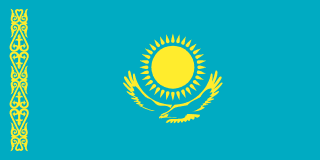 Kazakhstan
- Capital:
- Astana
- Currency:
- Kazakhstani tenge
- Counted in:
- 50, 51
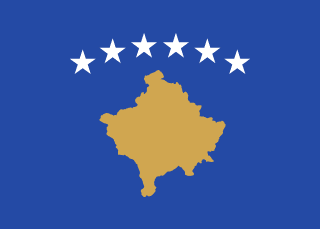 Kosovo
- Capital:
- Pristina
- Currency:
- Euro
- Counted in:
- 51
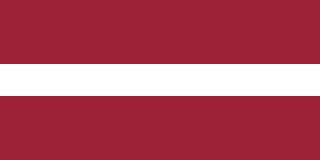 Latvia
- Capital:
- Riga
- Currency:
- Euro
- Counted in:
- 44, 50, 51
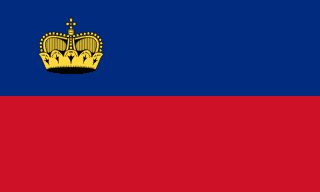 Liechtenstein
- Capital:
- Vaduz
- Currency:
- Swiss franc
- Counted in:
- 44, 50, 51
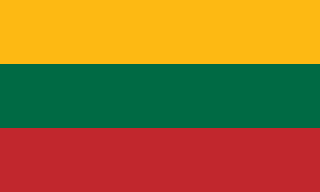 Lithuania
- Capital:
- Vilnius
- Currency:
- Euro
- Counted in:
- 44, 50, 51
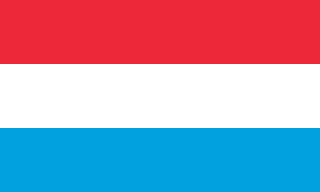 Luxembourg
- Capital:
- Luxembourg
- Currency:
- Euro
- Counted in:
- 44, 50, 51
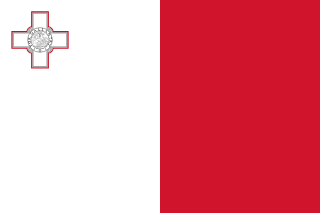 Malta
- Capital:
- Valletta
- Currency:
- Euro
- Counted in:
- 44, 50, 51
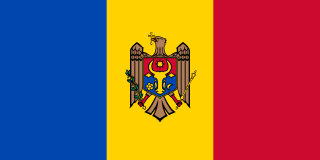 Moldova
- Capital:
- Chisinau
- Currency:
- Moldovan leu
- Counted in:
- 44, 50, 51
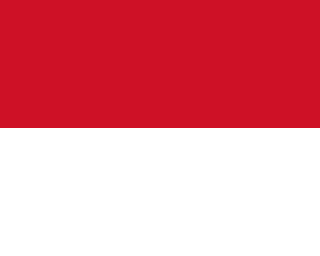 Monaco
- Capital:
- Monaco
- Currency:
- Euro
- Counted in:
- 44, 50, 51
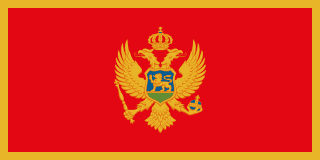 Montenegro
- Capital:
- Podgorica
- Currency:
- Euro
- Counted in:
- 44, 50, 51
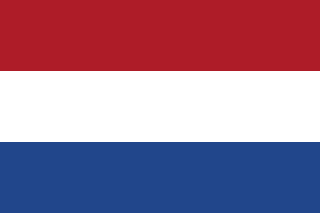 Netherlands
- Capital:
- Amsterdam
- Currency:
- Euro
- Counted in:
- 44, 50, 51
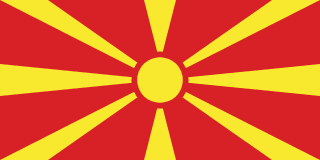 North Macedonia
- Capital:
- Skopje
- Currency:
- Macedonian denar
- Counted in:
- 44, 50, 51
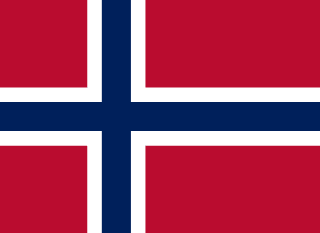 Norway
- Capital:
- Oslo
- Currency:
- Norwegian krone
- Counted in:
- 44, 50, 51
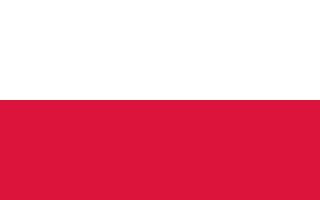 Poland
- Capital:
- Warsaw
- Currency:
- Polish zloty
- Counted in:
- 44, 50, 51
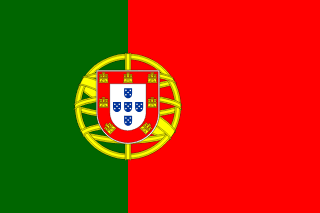 Portugal
- Capital:
- Lisbon
- Currency:
- Euro
- Counted in:
- 44, 50, 51
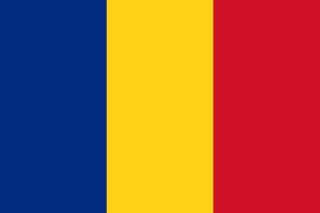 Romania
- Capital:
- Bucharest
- Currency:
- Romanian leu
- Counted in:
- 44, 50, 51
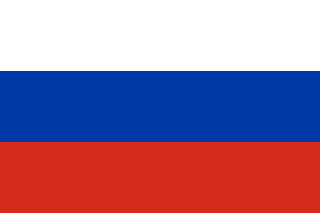 Russia
- Capital:
- Moscow
- Currency:
- Russian ruble
- Counted in:
- 44, 50, 51
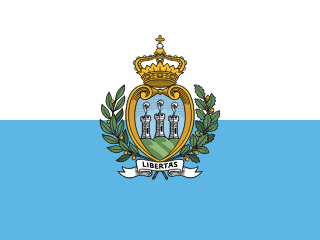 San Marino
- Capital:
- San Marino
- Currency:
- Euro
- Counted in:
- 44, 50, 51
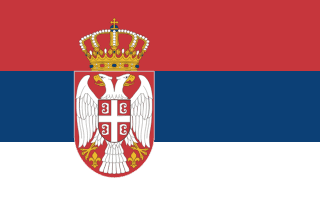 Serbia
- Capital:
- Belgrade
- Currency:
- Serbian dinar
- Counted in:
- 44, 50, 51
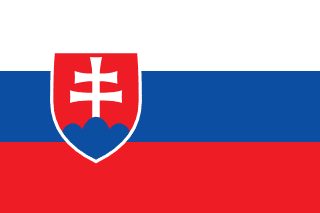 Slovakia
- Capital:
- Bratislava
- Currency:
- Euro
- Counted in:
- 44, 50, 51
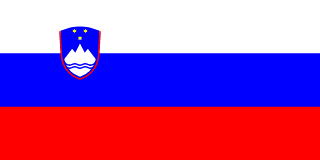 Slovenia
- Capital:
- Ljubljana
- Currency:
- Euro
- Counted in:
- 44, 50, 51
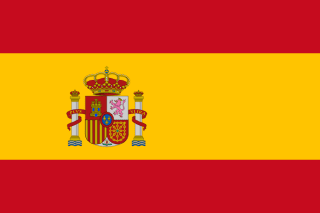 Spain
- Capital:
- Madrid
- Currency:
- Euro
- Counted in:
- 44, 50, 51
 Sweden
- Capital:
- Stockholm
- Currency:
- Swedish krona
- Counted in:
- 44, 50, 51
 Switzerland
- Capital:
- Bern
- Currency:
- Swiss franc
- Counted in:
- 44, 50, 51
 Turkey
- Capital:
- Ankara
- Currency:
- Turkish lira
- Counted in:
- 50, 51
 Ukraine
- Capital:
- Kyiv
- Currency:
- Ukrainian hryvnia
- Counted in:
- 44, 50, 51
 United Kingdom
- Capital:
- London
- Currency:
- Pound sterling
- Counted in:
- 44, 50, 51
 Vatican City
- Capital:
- Vatican City
- Currency:
- Euro
- Counted in:
- 44, 50, 51
| Country | Capital | Currency | Counted in |
|---|---|---|---|
| Albania | Tirana | Albanian lek | 44, 50, 51 |
| Andorra | Andorra la Vella | Euro | 44, 50, 51 |
| Armenia | Yerevan | Armenian dram | 50, 51 |
| Austria | Vienna | Euro | 44, 50, 51 |
| Azerbaijan | Baku | Azerbaijani manat | 50, 51 |
| Belarus | Minsk | Belarusian ruble | 44, 50, 51 |
| Belgium | Brussels | Euro | 44, 50, 51 |
| Bosnia and Herzegovina | Sarajevo | Convertible mark | 44, 50, 51 |
| Bulgaria | Sofia | Euro | 44, 50, 51 |
| Croatia | Zagreb | Euro | 44, 50, 51 |
| Cyprus | Nicosia | Euro | 50, 51 |
| Czechia | Prague | Czech koruna | 44, 50, 51 |
| Denmark | Copenhagen | Danish krone | 44, 50, 51 |
| Estonia | Tallinn | Euro | 44, 50, 51 |
| Finland | Helsinki | Euro | 44, 50, 51 |
| France | Paris | Euro | 44, 50, 51 |
| Georgia | Tbilisi | Georgian lari | 50, 51 |
| Germany | Berlin | Euro | 44, 50, 51 |
| Greece | Athens | Euro | 44, 50, 51 |
| Hungary | Budapest | Hungarian forint | 44, 50, 51 |
| Iceland | Reykjavik | Icelandic krona | 44, 50, 51 |
| Ireland | Dublin | Euro | 44, 50, 51 |
| Italy | Rome | Euro | 44, 50, 51 |
| Kazakhstan | Astana | Kazakhstani tenge | 50, 51 |
| Kosovo | Pristina | Euro | 51 |
| Latvia | Riga | Euro | 44, 50, 51 |
| Liechtenstein | Vaduz | Swiss franc | 44, 50, 51 |
| Lithuania | Vilnius | Euro | 44, 50, 51 |
| Luxembourg | Luxembourg | Euro | 44, 50, 51 |
| Malta | Valletta | Euro | 44, 50, 51 |
| Moldova | Chisinau | Moldovan leu | 44, 50, 51 |
| Monaco | Monaco | Euro | 44, 50, 51 |
| Montenegro | Podgorica | Euro | 44, 50, 51 |
| Netherlands | Amsterdam | Euro | 44, 50, 51 |
| North Macedonia | Skopje | Macedonian denar | 44, 50, 51 |
| Norway | Oslo | Norwegian krone | 44, 50, 51 |
| Poland | Warsaw | Polish zloty | 44, 50, 51 |
| Portugal | Lisbon | Euro | 44, 50, 51 |
| Romania | Bucharest | Romanian leu | 44, 50, 51 |
| Russia | Moscow | Russian ruble | 44, 50, 51 |
| San Marino | San Marino | Euro | 44, 50, 51 |
| Serbia | Belgrade | Serbian dinar | 44, 50, 51 |
| Slovakia | Bratislava | Euro | 44, 50, 51 |
| Slovenia | Ljubljana | Euro | 44, 50, 51 |
| Spain | Madrid | Euro | 44, 50, 51 |
| Sweden | Stockholm | Swedish krona | 44, 50, 51 |
| Switzerland | Bern | Swiss franc | 44, 50, 51 |
| Turkey | Ankara | Turkish lira | 50, 51 |
| Ukraine | Kyiv | Ukrainian hryvnia | 44, 50, 51 |
| United Kingdom | London | Pound sterling | 44, 50, 51 |
| Vatican City | Vatican City | Euro | 44, 50, 51 |
Czechia is also called the Czech Republic. Turkey asked the UN in 2022 to use the name Türkiye, and the UN now does. Capitals are in their usual English spelling, so Reykjavik and Chisinau appear without accents.
How many countries are in Europe: 44, 50 or 51?
No list is official. The count depends on where you put the eastern edge of Europe, and on whether Kosovo counts as a country.
44 is the UN's figure. The UN Statistics Division puts 44 countries in Europe in its M49 standard, the regions it uses for its own statistics: 43 member states plus Vatican City, whose Holy See takes part at the UN as an observer. Russia is in, although most of its land lies in Asia.
50 adds six countries on the edge. The UN files Turkey, Cyprus, Georgia, Armenia and Azerbaijan under Western Asia and Kazakhstan under Central Asia, yet each has ties to Europe. Britannica says Turkey and Cyprus may be regarded as parts of Europe, and the boundary most geographers use takes in a small part of Kazakhstan. Cyprus is in the EU, and Turkey, Georgia, Armenia and Azerbaijan belong to the Council of Europe.
51 adds Kosovo, which declared independence from Serbia in 2008. Serbia still claims it and it is not a UN member, so the UN leaves it out. This list and our Europe Countries Game count it.
None of the counts include places that are not independent. The UN's Europe region also lists Gibraltar, the Faroe Islands, Jersey, Guernsey and the Isle of Man, but they are not countries in their own right. Countries on two continents goes further into Turkey, Russia, Kazakhstan and the Caucasus.
European capitals people get wrong
- Turkey: Ankara, not Istanbul. Istanbul is the biggest city, but Ankara has been the capital since 1923.
- Switzerland: Bern, not Zurich or Geneva. Bern is the seat of government, and the federal supreme court sits in Lausanne.
- Netherlands: Amsterdam. It is the capital, but the government sits in The Hague.
- Kazakhstan: Astana. The capital moved there from Almaty in 1997. The city was renamed Nur-Sultan in 2019 and got its old name back in 2022.
- Montenegro: Podgorica. Cetinje, the old royal seat, keeps the title of Old Royal Capital.
- Cyprus: Nicosia. The city is also the seat of the Turkish Cypriot state in the north, which only Turkey recognises.
Four capitals share their country's name: Luxembourg, Monaco, San Marino and Vatican City.
Which European countries are in the EU and use the euro?
The European Union has 27 members: Austria, Belgium, Bulgaria, Croatia, Cyprus, Czechia, Denmark, Estonia, Finland, France, Germany, Greece, Hungary, Ireland, Italy, Latvia, Lithuania, Luxembourg, Malta, the Netherlands, Poland, Portugal, Romania, Slovakia, Slovenia, Spain and Sweden. Croatia was the last to join, in 2013. The United Kingdom left on 31 January 2020, which is why older lists say 28.
21 of the 27 use the euro. Bulgaria is the newest, from 1 January 2026. Czechia, Denmark, Hungary, Poland, Romania and Sweden keep their own money.
Six countries outside the EU pay in euros too. Andorra, Monaco, San Marino and Vatican City have monetary agreements with the EU. Kosovo and Montenegro have used the euro since 2002 without any currency of their own. That makes 27 of the 51 countries in the table.
Can you name all 51 from memory?
Type every European country you can think of and watch the map fill in green, against the clock.
Play Europe Countries GameQuestions people ask
How many countries are in Europe?
The UN counts 44. Adding Turkey, Cyprus, Georgia, Armenia, Azerbaijan and Kazakhstan makes 50, and Kosovo makes 51. The table on this page shows which count each country belongs to.
How many countries are in the European Union?
27. Croatia was the last to join, in 2013, and the United Kingdom left in 2020. Of the 27, 21 use the euro.
What is the largest country in Europe?
Russia, which is also the largest country in the world, though most of its land is in Asia. Ukraine is second on the UN's 44-country list, and it is the largest country that lies entirely in Europe.
What is the smallest country in Europe?
Sources
- UN Statistics Division: standard country and area codes (M49 regions)
- United Nations: member states
- United Nations: non-member states (the Holy See)
- Britannica: list of countries, linking to each country's capital and currency
- ISO 4217 currency list, published 17 September 2026 (SIX, the maintenance agency)
- Britannica: Europe (where its eastern boundary runs)
- Britannica: Russia
- Britannica: Ukraine
- Britannica: Kosovo
- Britannica: Cyprus
- Britannica: Ankara
- Britannica: Istanbul
- Britannica: Switzerland
- Britannica: Netherlands
- Britannica: Montenegro
- Britannica: Vatican City
- Interfax: Kazakh capital renamed back to Astana (2022)
- United Nations in Türkiye: Turkey's name changed to Türkiye (2022)
- Council of Europe: 46 member states
- European Union: EU countries
- European Union: Croatia, member since 1 July 2013
- European Commission: the UK left the EU on 31 January 2020
- European Union: countries using the euro
- European Central Bank: Bulgaria introduces the euro (1 January 2026)
- European Central Bank: the euro outside the euro area