What makes a country landlocked
A landlocked country is one without a coastline on the ocean or on a sea that opens into it. The UN Convention on the Law of the Sea puts it more briefly: a land-locked state is one "which has no sea-coast".
A lake shore does not count, however big the lake. Kazakhstan, Turkmenistan and Azerbaijan all have long shores on the Caspian Sea and are still on the list, because the Caspian is a lake in spite of its name. Britannica calls it the largest inland body of water in the world.
How many landlocked countries are there?
I count 44: the 43 UN member states without a coast, plus Vatican City, whose Holy See takes part at the UN as a non-member observer. I sort them by the UN's own regions, which gives 16 in Africa, 14 in Europe, 12 in Asia and 2 in South America. The UN puts Armenia, Azerbaijan and Kazakhstan in Asia. Some lists put them in Europe, which changes the continent counts but not the total.
You will also see 45 or more. Kosovo is landlocked and declared independence from Serbia in 2008. The United States and most EU members recognise it, Serbia and Russia do not, and it is not a UN member. Add it and the total is 45. Lists that also count breakaway regions such as South Ossetia and Transnistria go higher still.
The UN lists 32 of the 44 as landlocked developing countries. It tracks them as a group because their trade has to cross another country to reach a port, and it estimates that being landlocked leaves them about 20 percent less developed than they would otherwise be. The other 12 are all in Europe, Switzerland and Austria among them.
Landlocked countries in Africa (16)
Africa has the most. They run in a band across the middle of the continent, from Mali and Burkina Faso in the west to South Sudan and Ethiopia in the east, and a second group sits in the south around Zambia, Zimbabwe and Botswana.
Ethiopia lost its coast in 1993, when Eritrea became independent. South Sudan has had none since the day it split from Sudan in 2011. Lesotho lies entirely inside South Africa, and Eswatini borders only South Africa and Mozambique.
Burundi moved its political capital from Bujumbura to Gitega in 2019. Eswatini splits its capital: the government works from Mbabane, while parliament meets at Lobamba.
| Country | Capital |
|---|---|
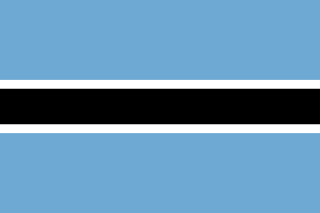 Botswana | Gaborone |
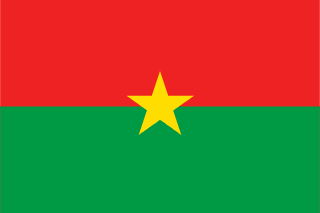 Burkina Faso | Ouagadougou |
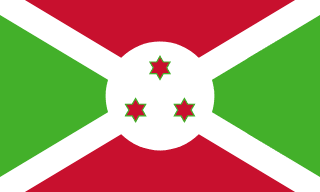 Burundi | Gitega |
 Central African Republic | Bangui |
 Chad | N'Djamena |
 Eswatini | Mbabane and Lobamba |
 Ethiopia | Addis Ababa |
 Lesotho | Maseru |
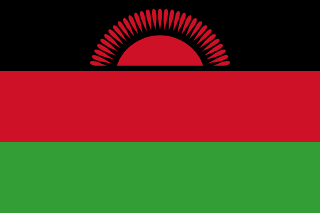 Malawi | Lilongwe |
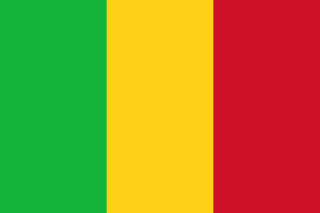 Mali | Bamako |
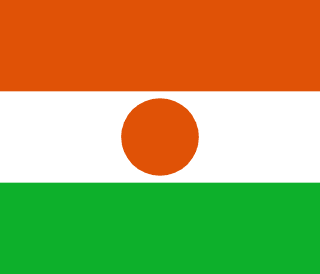 Niger | Niamey |
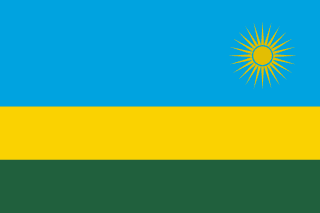 Rwanda | Kigali |
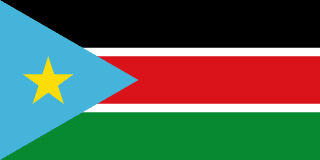 South Sudan | Juba |
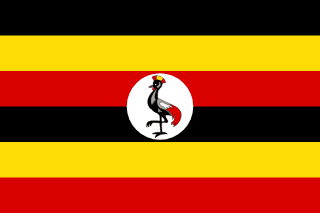 Uganda | Kampala |
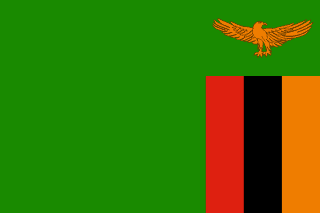 Zambia | Lusaka |
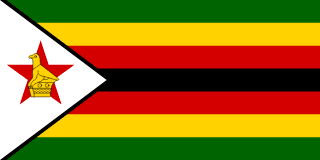 Zimbabwe | Harare |
Landlocked countries in Europe (14)
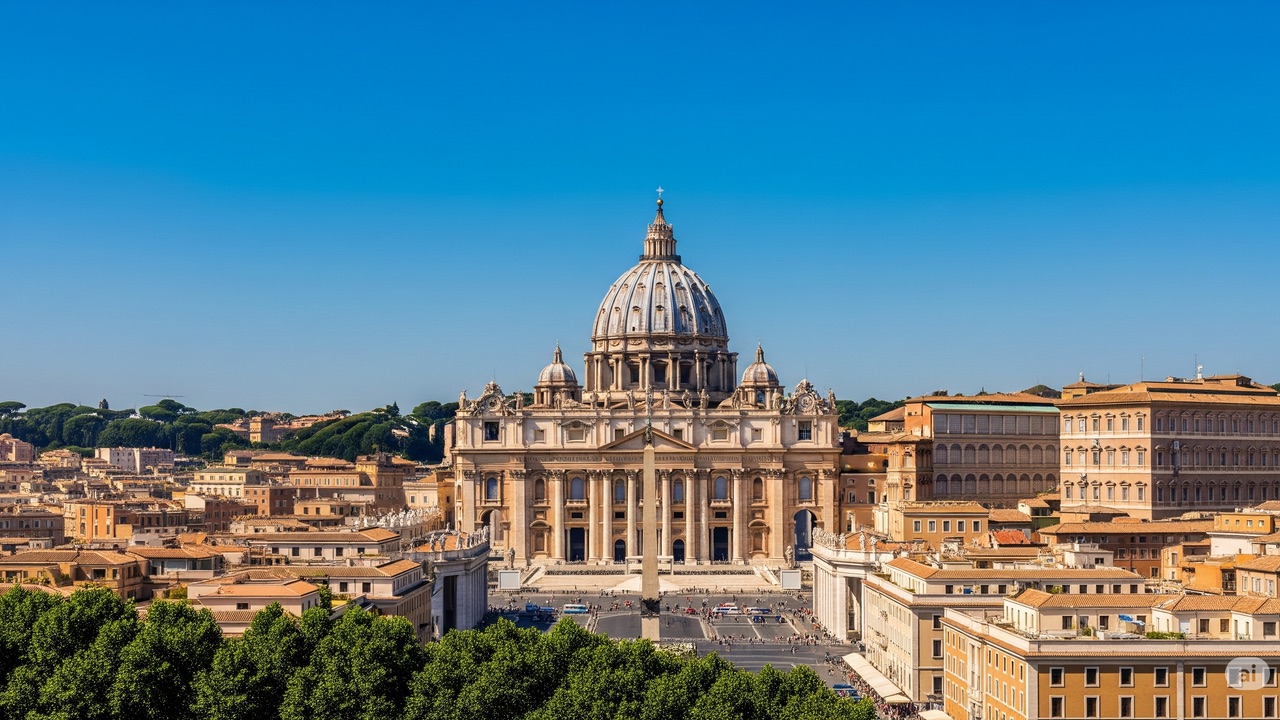
Europe has the four smallest: Vatican City, San Marino, Liechtenstein and Andorra. Vatican City and San Marino both sit entirely inside Italy, Vatican City within the city of Rome.
Serbia lost its coast in 2006, when Montenegro, which held the whole Adriatic shore of their union, became independent. Liechtenstein, between Switzerland and Austria, is one of the two doubly landlocked countries in the world.
| Country | Capital |
|---|---|
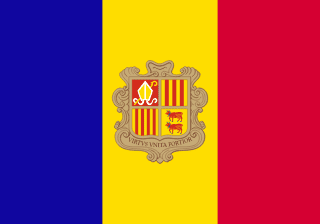 Andorra | Andorra la Vella |
 Austria | Vienna |
 Belarus | Minsk |
 Czechia | Prague |
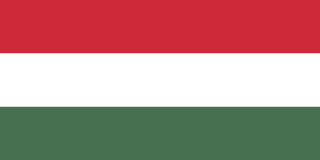 Hungary | Budapest |
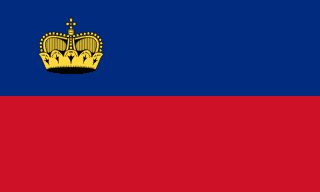 Liechtenstein | Vaduz |
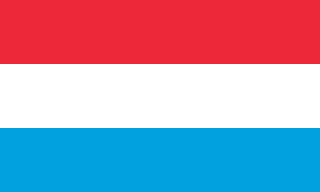 Luxembourg | Luxembourg |
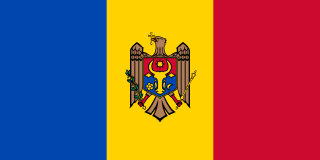 Moldova | Chișinău |
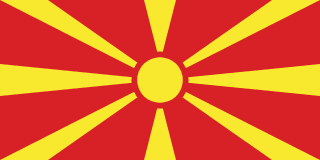 North Macedonia | Skopje |
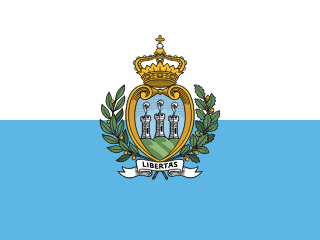 San Marino | San Marino |
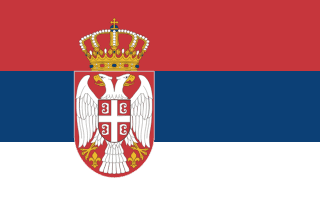 Serbia | Belgrade |
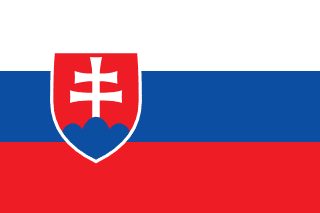 Slovakia | Bratislava |
 Switzerland | Bern |
 Vatican City | Vatican City |
Landlocked countries in Asia (12)
Asia has the two largest, Kazakhstan and Mongolia. Mongolia has just two neighbours, Russia to the north and China to the south.
Five of the 12 are the Central Asian republics: Kazakhstan, Kyrgyzstan, Tajikistan, Turkmenistan and Uzbekistan. Laos is the only landlocked country in Southeast Asia, and Nepal and Bhutan sit in the Himalayas between India and China.
| Country | Capital |
|---|---|
 Afghanistan | Kabul |
 Armenia | Yerevan |
 Azerbaijan | Baku |
 Bhutan | Thimphu |
 Kazakhstan | Astana |
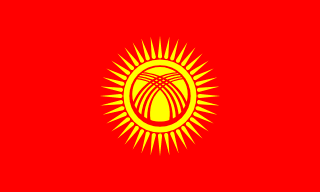 Kyrgyzstan | Bishkek |
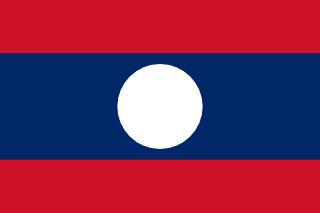 Laos | Vientiane |
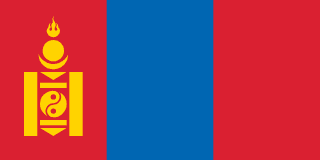 Mongolia | Ulaanbaatar |
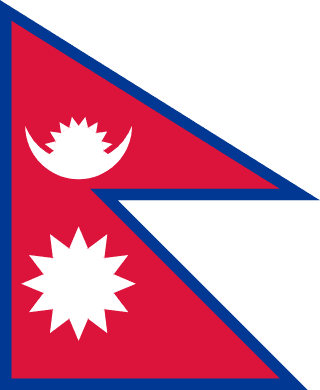 Nepal | Kathmandu |
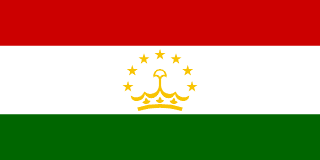 Tajikistan | Dushanbe |
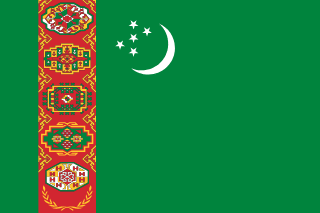 Turkmenistan | Ashgabat |
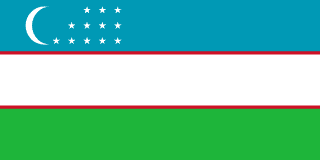 Uzbekistan | Tashkent |
Landlocked countries in South America (2)
Bolivia lost its coast to Chile in the War of the Pacific (1879 to 1884). It took the matter to the International Court of Justice, which ruled in 2018 that Chile had not taken on a legal obligation to negotiate sovereign access to the Pacific for Bolivia. Bolivia also has two capitals: Sucre under the constitution, and La Paz, where the government sits.
Paraguay reaches the Atlantic by river, along the Paraguay-Paraná Waterway it shares with Brazil, Bolivia, Argentina and Uruguay.
| Country | Capital |
|---|---|
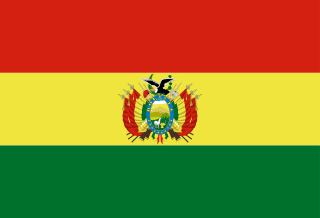 Bolivia | Sucre and La Paz |
 Paraguay | Asunción |
Largest, smallest and most populated landlocked countries
Kazakhstan is the largest, at 2,724,902 km² on the World Bank's figures, and ninth in size among all countries. Mongolia is second at 1,564,116 km², then Chad, Niger and Mali.
Vatican City is the smallest, at 0.44 km², and it is also the smallest country in the world. It has the fewest people too, about 500 by the UN's estimate. San Marino (61 km²) and Liechtenstein (160 km²) come next in size.
Ethiopia has the most people, about 135 million in 2025, ahead of Uganda (51 million) and Afghanistan (44 million). Altogether about 666 million people live in the 44 landlocked countries. That is roughly 8 in every 100 people on Earth, and 6 in 10 of them live in Africa.
- Kazakhstan
- Area (km²):
- 2,724,902
- Population (2025):
- 20,843,754
- Mongolia
- Area (km²):
- 1,564,116
- Population (2025):
- 3,517,100
- Chad
- Area (km²):
- 1,284,000
- Population (2025):
- 21,003,705
- Niger
- Area (km²):
- 1,267,000
- Population (2025):
- 27,917,831
- Mali
- Area (km²):
- 1,241,238
- Population (2025):
- 25,198,821
- Ethiopia
- Area (km²):
- 1,129,819
- Population (2025):
- 135,472,051
- Bolivia
- Area (km²):
- 1,098,580
- Population (2025):
- 12,581,843
- Zambia
- Area (km²):
- 752,612
- Population (2025):
- 21,913,874
- Afghanistan
- Area (km²):
- 652,870
- Population (2025):
- 43,844,111
- South Sudan
- Area (km²):
- 646,883
- Population (2025):
- 12,188,788
- Central African Republic
- Area (km²):
- 622,980
- Population (2025):
- 5,513,282
- Botswana
- Area (km²):
- 581,730
- Population (2025):
- 2,562,122
- Turkmenistan
- Area (km²):
- 491,209
- Population (2025):
- 7,618,847
- Uzbekistan
- Area (km²):
- 448,923
- Population (2025):
- 37,053,428
- Paraguay
- Area (km²):
- 406,752
- Population (2025):
- 7,013,078
- Zimbabwe
- Area (km²):
- 390,760
- Population (2025):
- 16,950,795
- Burkina Faso
- Area (km²):
- 274,200
- Population (2025):
- 24,074,580
- Uganda
- Area (km²):
- 241,551
- Population (2025):
- 51,384,894
- Laos
- Area (km²):
- 236,800
- Population (2025):
- 7,873,046
- Belarus
- Area (km²):
- 207,629
- Population (2025):
- 8,997,603
- Kyrgyzstan
- Area (km²):
- 199,950
- Population (2025):
- 7,295,034
- Nepal
- Area (km²):
- 147,181
- Population (2025):
- 29,618,118
- Tajikistan
- Area (km²):
- 141,379
- Population (2025):
- 10,786,734
- Malawi
- Area (km²):
- 118,484
- Population (2025):
- 22,216,120
- Hungary
- Area (km²):
- 93,030
- Population (2025):
- 9,632,287
- Serbia
- Area (km²):
- 88,490
- Population (2025):
- 6,689,039
- Azerbaijan
- Area (km²):
- 86,600
- Population (2025):
- 10,397,713
- Austria
- Area (km²):
- 83,879
- Population (2025):
- 9,113,574
- Czechia
- Area (km²):
- 78,871
- Population (2025):
- 10,609,239
- Slovakia
- Area (km²):
- 49,030
- Population (2025):
- 5,474,881
- Switzerland
- Area (km²):
- 41,291
- Population (2025):
- 8,967,407
- Bhutan
- Area (km²):
- 38,390
- Population (2025):
- 796,682
- Moldova
- Area (km²):
- 33,849
- Population (2025):
- 2,996,106
- Lesotho
- Area (km²):
- 30,360
- Population (2025):
- 2,363,325
- Armenia
- Area (km²):
- 29,740
- Population (2025):
- 2,952,365
- Burundi
- Area (km²):
- 27,834
- Population (2025):
- 14,390,003
- Rwanda
- Area (km²):
- 26,340
- Population (2025):
- 14,569,341
- North Macedonia
- Area (km²):
- 25,713
- Population (2025):
- 1,813,791
- Eswatini
- Area (km²):
- 17,364
- Population (2025):
- 1,256,174
- Luxembourg
- Area (km²):
- 2,590
- Population (2025):
- 680,453
- Andorra
- Area (km²):
- 468
- Population (2025):
- 82,904
- Liechtenstein
- Area (km²):
- 160
- Population (2025):
- 40,128
- San Marino
- Area (km²):
- 61
- Population (2025):
- 33,572
- Vatican City
- Area (km²):
- 0.44
- Population (2025):
- 501
| Kazakhstan | 2,724,902 | 20,843,754 |
|---|---|---|
| Mongolia | 1,564,116 | 3,517,100 |
| Chad | 1,284,000 | 21,003,705 |
| Niger | 1,267,000 | 27,917,831 |
| Mali | 1,241,238 | 25,198,821 |
| Ethiopia | 1,129,819 | 135,472,051 |
| Bolivia | 1,098,580 | 12,581,843 |
| Zambia | 752,612 | 21,913,874 |
| Afghanistan | 652,870 | 43,844,111 |
| South Sudan | 646,883 | 12,188,788 |
| Central African Republic | 622,980 | 5,513,282 |
| Botswana | 581,730 | 2,562,122 |
| Turkmenistan | 491,209 | 7,618,847 |
| Uzbekistan | 448,923 | 37,053,428 |
| Paraguay | 406,752 | 7,013,078 |
| Zimbabwe | 390,760 | 16,950,795 |
| Burkina Faso | 274,200 | 24,074,580 |
| Uganda | 241,551 | 51,384,894 |
| Laos | 236,800 | 7,873,046 |
| Belarus | 207,629 | 8,997,603 |
| Kyrgyzstan | 199,950 | 7,295,034 |
| Nepal | 147,181 | 29,618,118 |
| Tajikistan | 141,379 | 10,786,734 |
| Malawi | 118,484 | 22,216,120 |
| Hungary | 93,030 | 9,632,287 |
| Serbia | 88,490 | 6,689,039 |
| Azerbaijan | 86,600 | 10,397,713 |
| Austria | 83,879 | 9,113,574 |
| Czechia | 78,871 | 10,609,239 |
| Slovakia | 49,030 | 5,474,881 |
| Switzerland | 41,291 | 8,967,407 |
| Bhutan | 38,390 | 796,682 |
| Moldova | 33,849 | 2,996,106 |
| Lesotho | 30,360 | 2,363,325 |
| Armenia | 29,740 | 2,952,365 |
| Burundi | 27,834 | 14,390,003 |
| Rwanda | 26,340 | 14,569,341 |
| North Macedonia | 25,713 | 1,813,791 |
| Eswatini | 17,364 | 1,256,174 |
| Luxembourg | 2,590 | 680,453 |
| Andorra | 468 | 82,904 |
| Liechtenstein | 160 | 40,128 |
| San Marino | 61 | 33,572 |
| Vatican City | 0.44 | 501 |
Area is the World Bank's surface area for 2024, which includes lakes and rivers inside the border. Vatican City's area comes from the UN Demographic Yearbook 2024. Population is the UN's estimate for 1 July 2025. Serbia's area includes Kosovo, but its population does not.
The two doubly landlocked countries
A doubly landlocked country is surrounded only by other landlocked countries, so the way to the sea crosses at least two borders. Two countries fit: Liechtenstein, which borders Switzerland and Austria, and Uzbekistan, whose five neighbours are Kazakhstan, Kyrgyzstan, Tajikistan, Afghanistan and Turkmenistan.
Uzbekistan counts as doubly landlocked only because the Caspian counts as a lake. Kazakhstan and Turkmenistan both reach the Caspian Sea, but neither of them counts as coastal.
Landlocked countries with a navy
Having no coast does not stop a country from keeping a navy. Several landlocked countries run naval forces on lakes, on rivers or on the Caspian:
- Bolivia's navy patrols Lake Titicaca and the country's rivers. It also exists to keep alive Bolivia's claim to the coast it lost.
- Paraguay's navy patrols the Paraguay-Paraná Waterway.
- Kazakhstan has had naval forces on the Caspian Sea since 1993, with a base at Aktau. Azerbaijan keeps a navy on the Caspian too.
- Serbia has a River Flotilla, an army unit built for rivers, canals and lakes, which trains on the Danube.
- Ethiopia dissolved its navy in the years after Eritrea's independence in 1993 cost it its coast. Prime Minister Abiy Ahmed said in 2018 that he would bring it back, and in 2025 Ethiopia signed a training agreement with Russia.
Can you find them on a map?
The World Map Quiz names a country and you find it on a blank world map, with three lives. Landlocked ones have no coastline to give them away.
Play World Map QuizQuestions people ask
How many landlocked countries are there?
44: 16 in Africa, 14 in Europe, 12 in Asia and 2 in South America. That counts the 193 UN member states plus Vatican City. Add Kosovo, which is not a UN member, and you get 45.
What is the largest landlocked country?
Kazakhstan, at about 2.7 million km². It is also the ninth-largest country of any kind. Mongolia is second, at about 1.6 million km².
Why doesn't the Caspian Sea count as a coast?
Because the Caspian is a lake, and Britannica calls it the largest inland body of water in the world. So Kazakhstan, Turkmenistan and Azerbaijan count as landlocked despite their long Caspian shores.
Are there any landlocked countries in North America?
No. Every country in North America, Central America and the Caribbean has a coast. The Americas have two landlocked countries, Bolivia and Paraguay, and both are in South America.
Sources
- UN Convention on the Law of the Sea, Part X: land-locked states
- UN-OHRLLS: list of landlocked developing countries
- UN-OHRLLS: about landlocked developing countries
- UN Statistics Division: standard country and area codes (M49 regions)
- United Nations: non-member states (the Holy See)
- World Bank: surface area (sq. km), 2024
- UN Demographic Yearbook 2024: surface area and capital cities
- UN World Population Prospects 2024: population on 1 July 2025
- Britannica: Caspian Sea
- Britannica: Kosovo
- Britannica: Bolivia
- International Court of Justice: Obligation to Negotiate Access to the Pacific Ocean (Bolivia v. Chile)
- Britannica: Paraguay
- Britannica: Burundi
- Britannica: Eswatini
- Britannica: Lesotho
- Britannica: South Sudan
- Britannica: Vatican City
- NASA Earth Observatory: San Marino, enclave in Italy
- Britannica: Montenegro
- Britannica: Liechtenstein
- Britannica: Uzbekistan
- Britannica: Mongolia
- Britannica: Laos
- Foreign Policy: A navy without an ocean (2008)
- Diálogo Américas: riverine security in Paraguay (2026)
- The Astana Times: Naval Forces of Kazakhstan mark 30th anniversary (2023)
- Ministry of Defence of Azerbaijan: Naval Forces
- Serbian Armed Forces: River Flotilla exercise on the Danube (2022)
- The Maritime Executive: Russia agrees to help landlocked Ethiopia rebuild its navy (2025)