How many countries are there in 2026?
The UN has had 193 members since South Sudan joined on 14 July 2011. I checked its member list in October 2026, and no country has joined since. Two more states take part as non-member observers: Vatican City, through the Holy See, and Palestine. That makes 195, the figure Worldometers gives.
No single body decides what counts as a country, so each list draws its own line. The table shows where the common numbers come from.
193, 195 or 197: what each count includes
The sports bodies come out higher because they also take in territories that field their own teams. FIFA says its 211 associations represent countries and territories across six continents.
The places that make the count disagree
- Vatican City takes part at the UN through the Holy See, as a non-member observer state.
- Palestine has been a non-member observer state since a General Assembly vote on 29 November 2012.
- Taiwan governs itself from Taipei as the Republic of China, which held China's seat at the UN until 1971. That year the General Assembly gave the seat to the People's Republic of China. Taiwan's foreign ministry lists 12 states that recognise it: 11 UN members and the Holy See.
- Kosovo declared independence from Serbia in 2008. Serbia still claims it, and it is not a UN member.
- Western Sahara is claimed by Morocco and by the Sahrawi Republic, which the African Union counts as one of its members.
- Somaliland declared independence from Somalia in 1991 and was recognised by Israel in December 2025. It is not a UN member.
- Northern Cyprus declared independence in 1983, and only Turkey recognises it.
How many countries are on each continent?
I use the UN Statistics Division's regions, with the Americas split into North America (Central America and the Caribbean included) and South America. On those regions Russia counts in Europe, while Turkey, Cyprus, Georgia, Armenia, Azerbaijan and Kazakhstan count in Asia. Taiwan goes in Asia and Kosovo in Europe. Our Countries of the World Quiz files those six under Europe instead, so its continent totals differ from the ones below.
Africa has the most countries, and every one of them is in the UN. Europe has 44 on the UN's regions and 51 on the widest list, which adds the six countries above and Kosovo. All European countries and capitals and all 54 African countries and capitals list them with their capitals.
The full list of all 197 countries
The list runs A to Z, with each country's continent and the year it joined the UN. Sort by year to bring the founders of 1945 or the newest member, South Sudan, to the top. Observers and non-members stay at the bottom either way. The names are the ones our quiz shows. It accepts the official forms too, such as Côte d'Ivoire for Ivory Coast and Timor-Leste for East Timor.
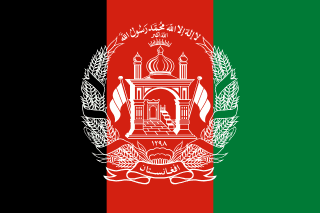 Afghanistan
- Continent:
- Asia
- Joined the UN:
- 1946
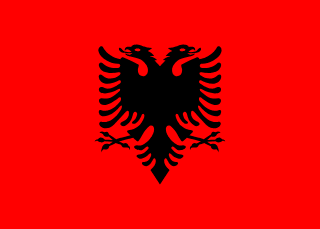 Albania
- Continent:
- Europe
- Joined the UN:
- 1955
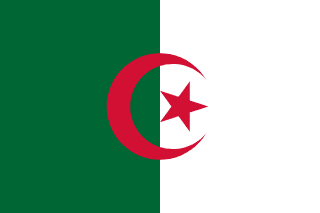 Algeria
- Continent:
- Africa
- Joined the UN:
- 1962
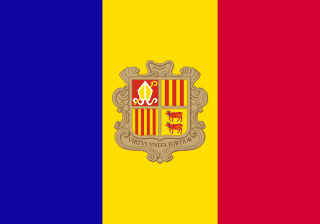 Andorra
- Continent:
- Europe
- Joined the UN:
- 1993
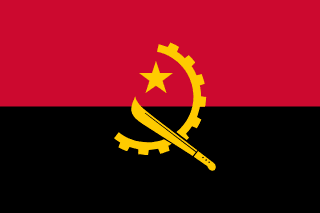 Angola
- Continent:
- Africa
- Joined the UN:
- 1976
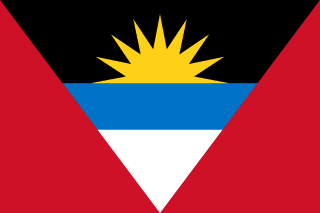 Antigua and Barbuda
- Continent:
- North America
- Joined the UN:
- 1981
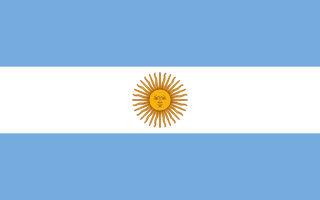 Argentina
- Continent:
- South America
- Joined the UN:
- 1945
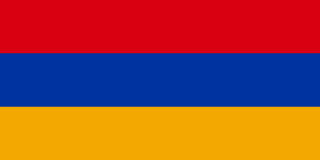 Armenia
- Continent:
- Asia
- Joined the UN:
- 1992
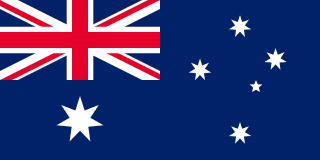 Australia
- Continent:
- Oceania
- Joined the UN:
- 1945
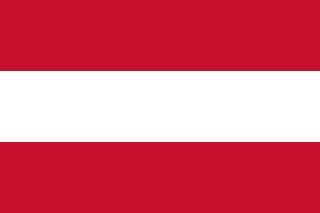 Austria
- Continent:
- Europe
- Joined the UN:
- 1955
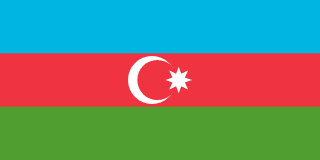 Azerbaijan
- Continent:
- Asia
- Joined the UN:
- 1992
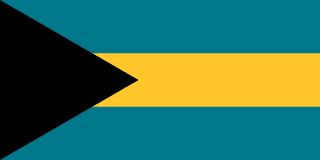 Bahamas
- Continent:
- North America
- Joined the UN:
- 1973
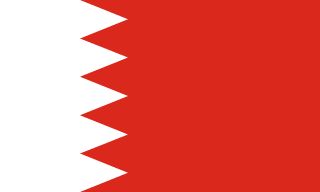 Bahrain
- Continent:
- Asia
- Joined the UN:
- 1971
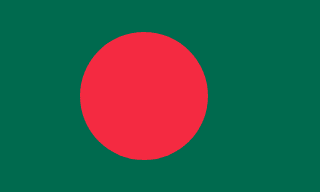 Bangladesh
- Continent:
- Asia
- Joined the UN:
- 1974
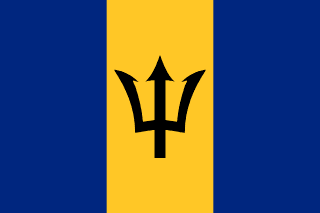 Barbados
- Continent:
- North America
- Joined the UN:
- 1966
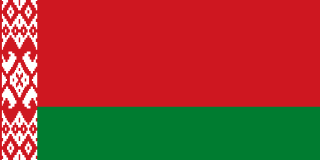 Belarus
- Continent:
- Europe
- Joined the UN:
- 1945
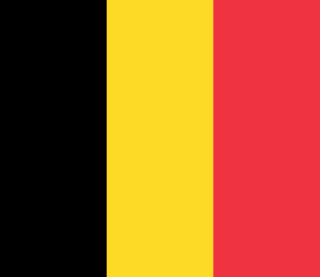 Belgium
- Continent:
- Europe
- Joined the UN:
- 1945
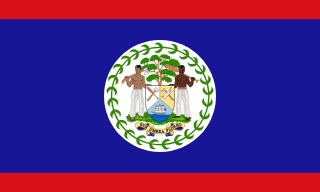 Belize
- Continent:
- North America
- Joined the UN:
- 1981
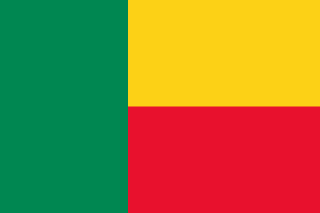 Benin
Benin- Continent:
- Africa
- Joined the UN:
- 1960
 Bhutan
- Continent:
- Asia
- Joined the UN:
- 1971
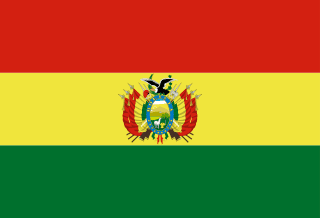 Bolivia
- Continent:
- South America
- Joined the UN:
- 1945
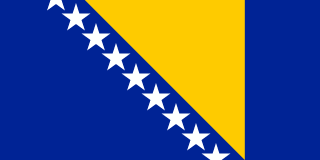 Bosnia and Herzegovina
- Continent:
- Europe
- Joined the UN:
- 1992
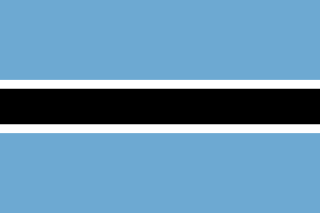 Botswana
- Continent:
- Africa
- Joined the UN:
- 1966
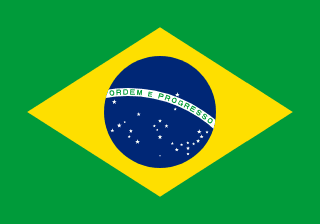 Brazil
- Continent:
- South America
- Joined the UN:
- 1945
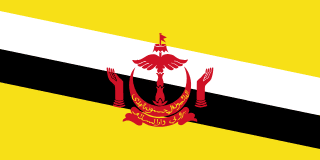 Brunei
- Continent:
- Asia
- Joined the UN:
- 1984
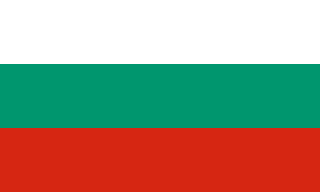 Bulgaria
- Continent:
- Europe
- Joined the UN:
- 1955
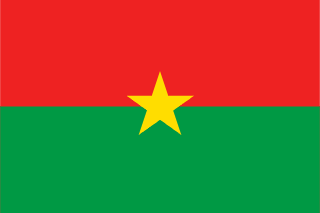 Burkina Faso
- Continent:
- Africa
- Joined the UN:
- 1960
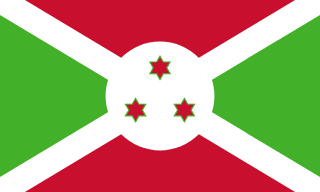 Burundi
- Continent:
- Africa
- Joined the UN:
- 1962
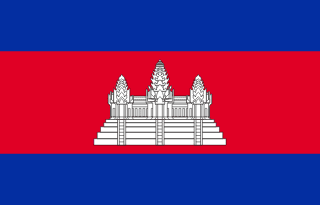 Cambodia
- Continent:
- Asia
- Joined the UN:
- 1955
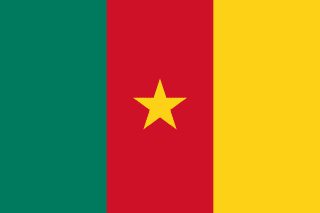 Cameroon
- Continent:
- Africa
- Joined the UN:
- 1960
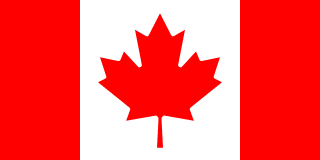 Canada
- Continent:
- North America
- Joined the UN:
- 1945
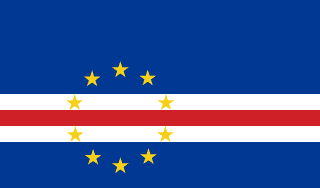 Cape Verde
- Continent:
- Africa
- Joined the UN:
- 1975
 Central African Republic
- Continent:
- Africa
- Joined the UN:
- 1960
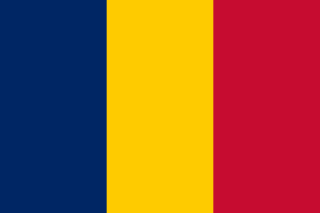 Chad
Chad- Continent:
- Africa
- Joined the UN:
- 1960
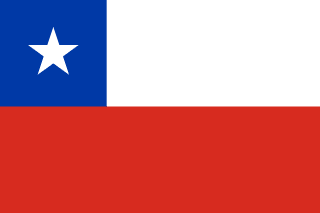 Chile
Chile- Continent:
- South America
- Joined the UN:
- 1945
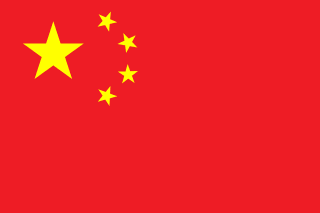 China
China- Continent:
- Asia
- Joined the UN:
- 1945
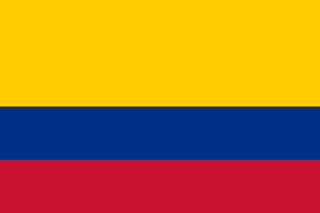 Colombia
- Continent:
- South America
- Joined the UN:
- 1945
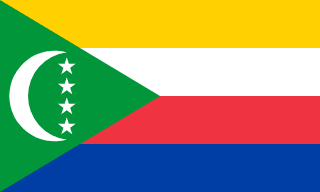 Comoros
- Continent:
- Africa
- Joined the UN:
- 1975
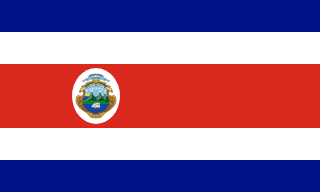 Costa Rica
- Continent:
- North America
- Joined the UN:
- 1945
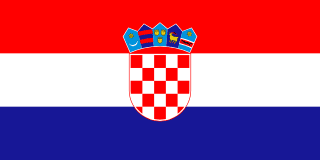 Croatia
- Continent:
- Europe
- Joined the UN:
- 1992
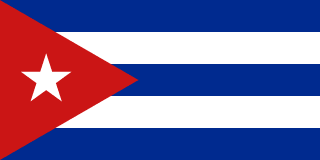 Cuba
Cuba- Continent:
- North America
- Joined the UN:
- 1945
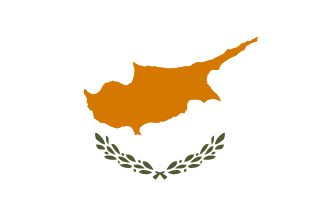 Cyprus
- Continent:
- Asia
- Joined the UN:
- 1960
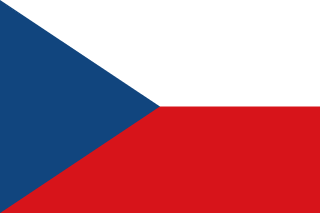 Czechia
- Continent:
- Europe
- Joined the UN:
- 1993
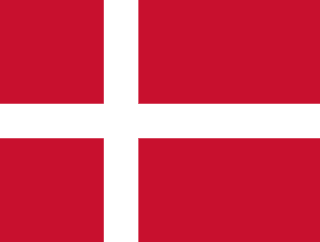 Denmark
- Continent:
- Europe
- Joined the UN:
- 1945
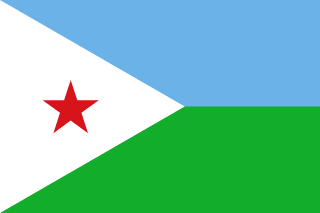 Djibouti
- Continent:
- Africa
- Joined the UN:
- 1977
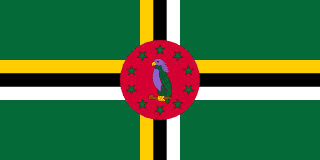 Dominica
- Continent:
- North America
- Joined the UN:
- 1978
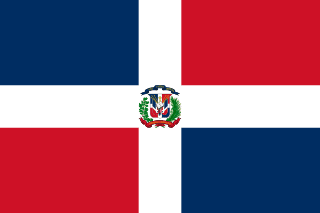 Dominican Republic
- Continent:
- North America
- Joined the UN:
- 1945
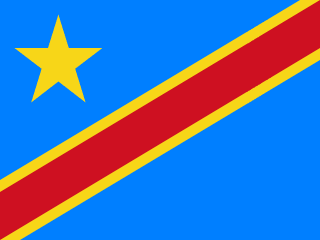 DR Congo
- Continent:
- Africa
- Joined the UN:
- 1960
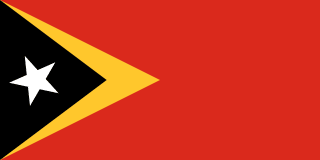 East Timor
- Continent:
- Asia
- Joined the UN:
- 2002
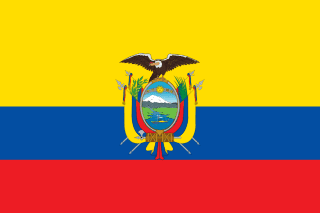 Ecuador
- Continent:
- South America
- Joined the UN:
- 1945
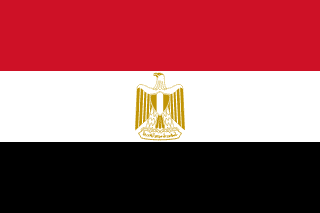 Egypt
Egypt- Continent:
- Africa
- Joined the UN:
- 1945
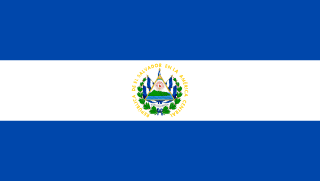 El Salvador
- Continent:
- North America
- Joined the UN:
- 1945
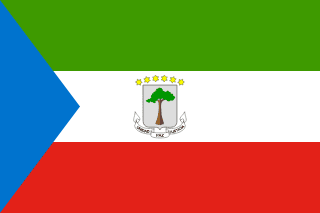 Equatorial Guinea
- Continent:
- Africa
- Joined the UN:
- 1968
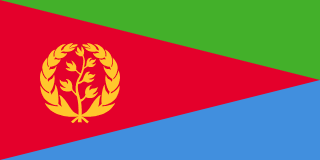 Eritrea
- Continent:
- Africa
- Joined the UN:
- 1993
 Estonia
- Continent:
- Europe
- Joined the UN:
- 1991
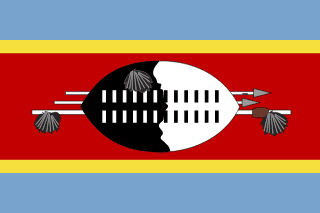 Eswatini
- Continent:
- Africa
- Joined the UN:
- 1968
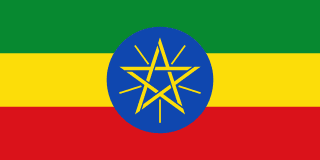 Ethiopia
- Continent:
- Africa
- Joined the UN:
- 1945
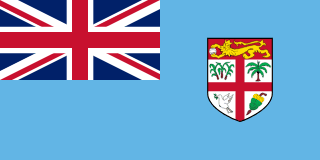 Fiji
Fiji- Continent:
- Oceania
- Joined the UN:
- 1970
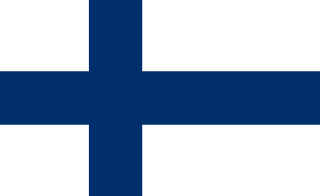 Finland
- Continent:
- Europe
- Joined the UN:
- 1955
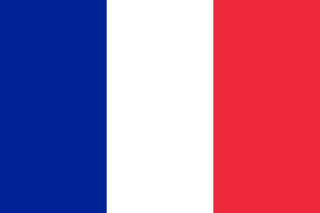 France
- Continent:
- Europe
- Joined the UN:
- 1945
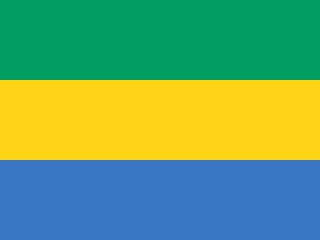 Gabon
Gabon- Continent:
- Africa
- Joined the UN:
- 1960
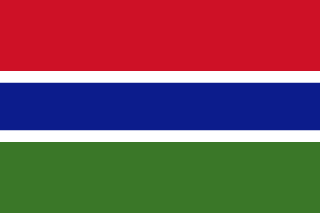 Gambia
- Continent:
- Africa
- Joined the UN:
- 1965
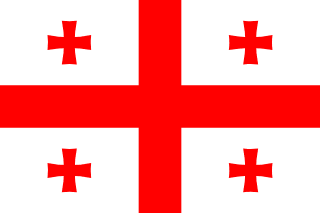 Georgia
- Continent:
- Asia
- Joined the UN:
- 1992
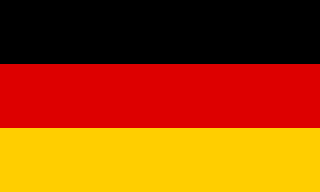 Germany
- Continent:
- Europe
- Joined the UN:
- 1973
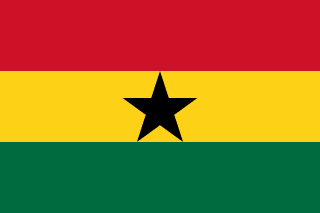 Ghana
Ghana- Continent:
- Africa
- Joined the UN:
- 1957
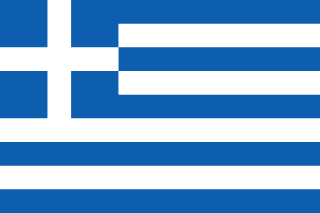 Greece
- Continent:
- Europe
- Joined the UN:
- 1945
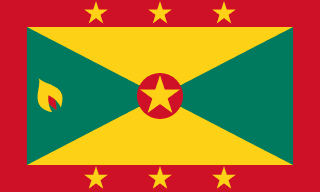 Grenada
- Continent:
- North America
- Joined the UN:
- 1974
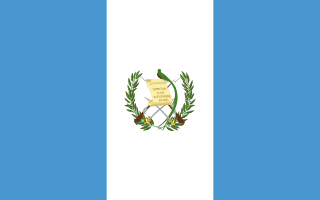 Guatemala
- Continent:
- North America
- Joined the UN:
- 1945
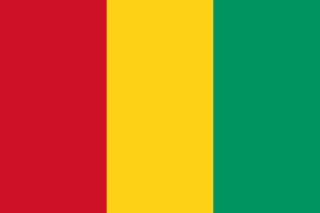 Guinea
- Continent:
- Africa
- Joined the UN:
- 1958
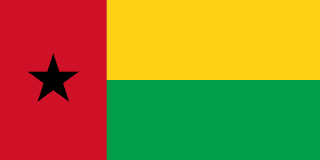 Guinea-Bissau
- Continent:
- Africa
- Joined the UN:
- 1974
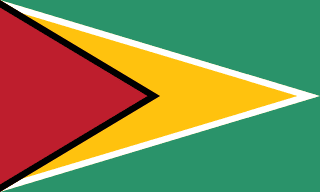 Guyana
- Continent:
- South America
- Joined the UN:
- 1966
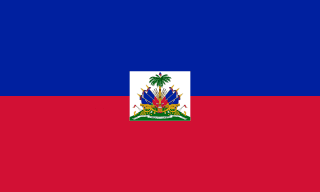 Haiti
Haiti- Continent:
- North America
- Joined the UN:
- 1945
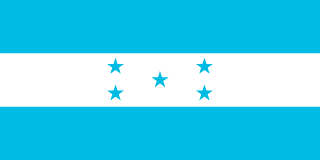 Honduras
- Continent:
- North America
- Joined the UN:
- 1945
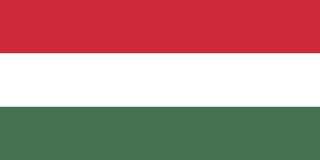 Hungary
- Continent:
- Europe
- Joined the UN:
- 1955
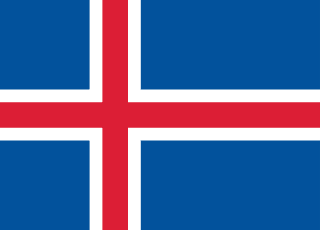 Iceland
- Continent:
- Europe
- Joined the UN:
- 1946
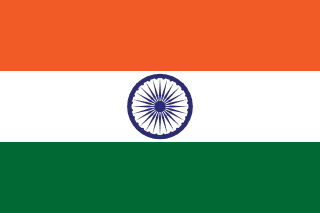 India
India- Continent:
- Asia
- Joined the UN:
- 1945
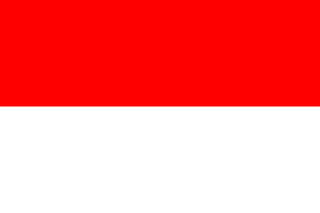 Indonesia
- Continent:
- Asia
- Joined the UN:
- 1950
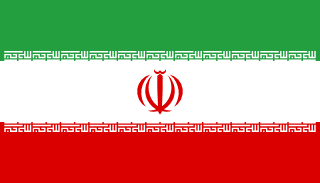 Iran
Iran- Continent:
- Asia
- Joined the UN:
- 1945
 Iraq
Iraq- Continent:
- Asia
- Joined the UN:
- 1945
 Ireland
- Continent:
- Europe
- Joined the UN:
- 1955
 Israel
- Continent:
- Asia
- Joined the UN:
- 1949
 Italy
Italy- Continent:
- Europe
- Joined the UN:
- 1955
 Ivory Coast
- Continent:
- Africa
- Joined the UN:
- 1960
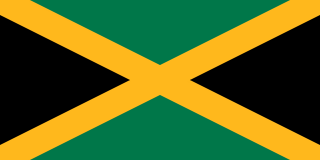 Jamaica
- Continent:
- North America
- Joined the UN:
- 1962
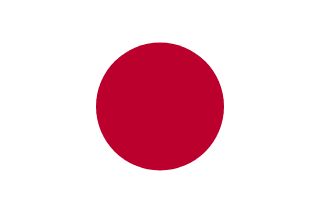 Japan
Japan- Continent:
- Asia
- Joined the UN:
- 1956
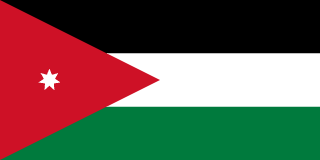 Jordan
- Continent:
- Asia
- Joined the UN:
- 1955
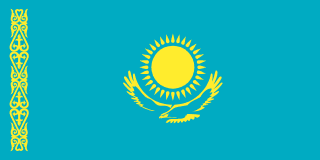 Kazakhstan
- Continent:
- Asia
- Joined the UN:
- 1992
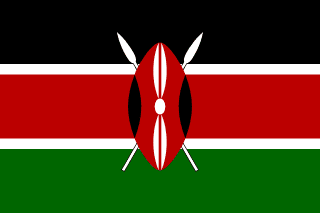 Kenya
Kenya- Continent:
- Africa
- Joined the UN:
- 1963
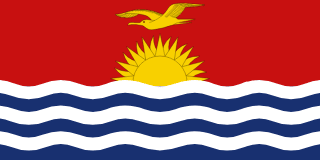 Kiribati
- Continent:
- Oceania
- Joined the UN:
- 1999
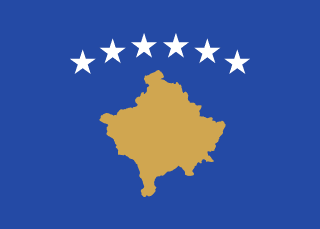 Kosovo
- Continent:
- Europe
- Joined the UN:
- Not a member
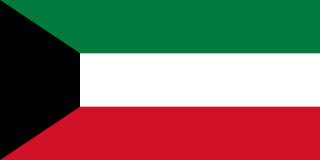 Kuwait
- Continent:
- Asia
- Joined the UN:
- 1963
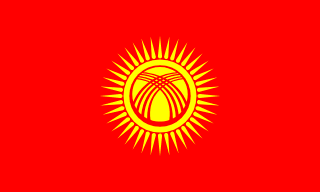 Kyrgyzstan
- Continent:
- Asia
- Joined the UN:
- 1992
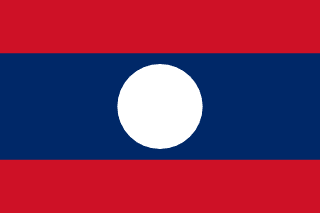 Laos
Laos- Continent:
- Asia
- Joined the UN:
- 1955
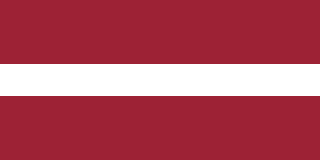 Latvia
- Continent:
- Europe
- Joined the UN:
- 1991
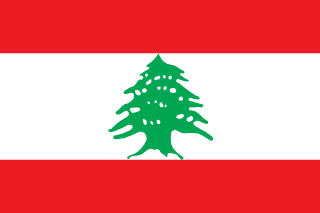 Lebanon
- Continent:
- Asia
- Joined the UN:
- 1945
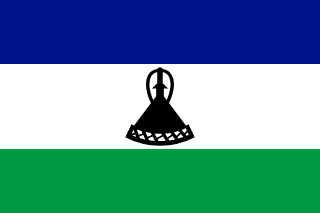 Lesotho
- Continent:
- Africa
- Joined the UN:
- 1966
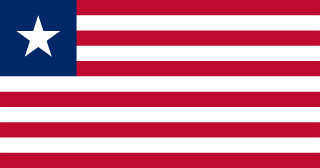 Liberia
- Continent:
- Africa
- Joined the UN:
- 1945
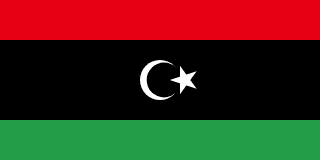 Libya
Libya- Continent:
- Africa
- Joined the UN:
- 1955
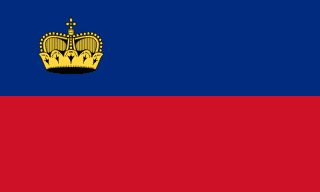 Liechtenstein
- Continent:
- Europe
- Joined the UN:
- 1990
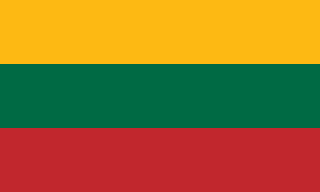 Lithuania
- Continent:
- Europe
- Joined the UN:
- 1991
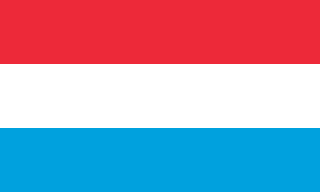 Luxembourg
- Continent:
- Europe
- Joined the UN:
- 1945
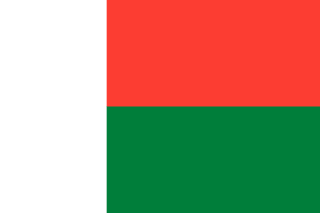 Madagascar
- Continent:
- Africa
- Joined the UN:
- 1960
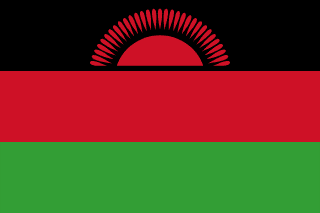 Malawi
- Continent:
- Africa
- Joined the UN:
- 1964
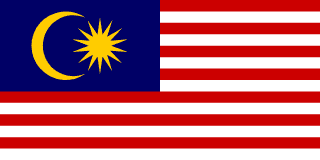 Malaysia
- Continent:
- Asia
- Joined the UN:
- 1957
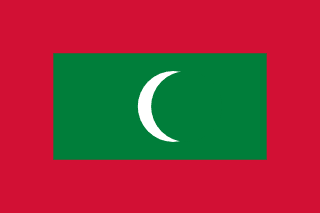 Maldives
- Continent:
- Asia
- Joined the UN:
- 1965
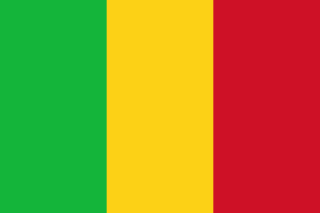 Mali
Mali- Continent:
- Africa
- Joined the UN:
- 1960
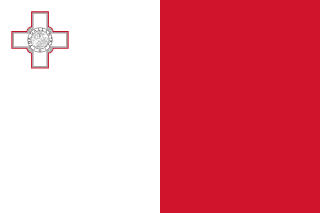 Malta
Malta- Continent:
- Europe
- Joined the UN:
- 1964
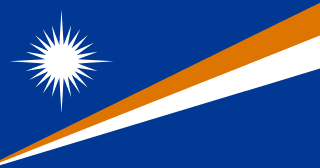 Marshall Islands
- Continent:
- Oceania
- Joined the UN:
- 1991
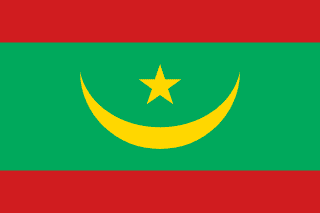 Mauritania
- Continent:
- Africa
- Joined the UN:
- 1961
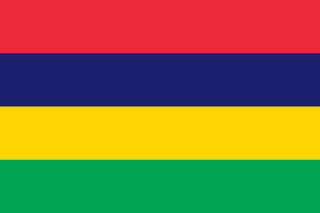 Mauritius
- Continent:
- Africa
- Joined the UN:
- 1968
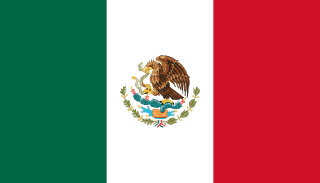 Mexico
- Continent:
- North America
- Joined the UN:
- 1945
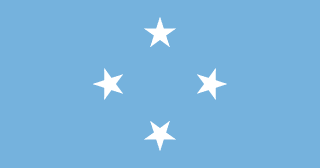 Micronesia
- Continent:
- Oceania
- Joined the UN:
- 1991
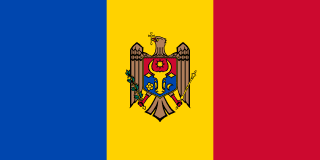 Moldova
- Continent:
- Europe
- Joined the UN:
- 1992
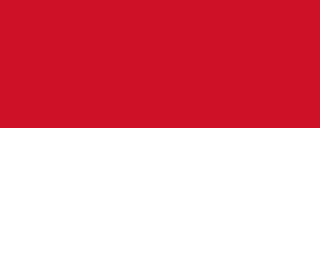 Monaco
- Continent:
- Europe
- Joined the UN:
- 1993
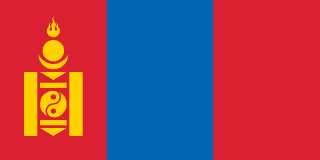 Mongolia
- Continent:
- Asia
- Joined the UN:
- 1961
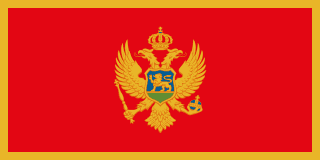 Montenegro
- Continent:
- Europe
- Joined the UN:
- 2006
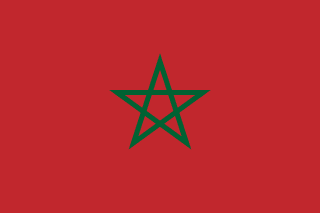 Morocco
- Continent:
- Africa
- Joined the UN:
- 1956
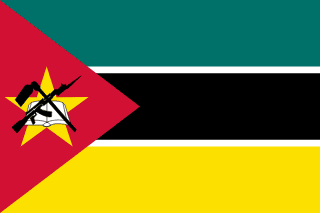 Mozambique
- Continent:
- Africa
- Joined the UN:
- 1975
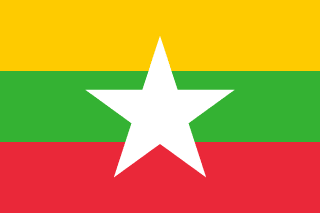 Myanmar
- Continent:
- Asia
- Joined the UN:
- 1948
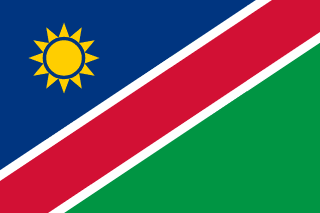 Namibia
- Continent:
- Africa
- Joined the UN:
- 1990
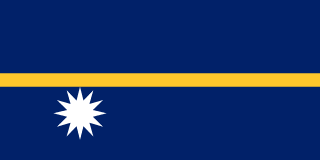 Nauru
Nauru- Continent:
- Oceania
- Joined the UN:
- 1999
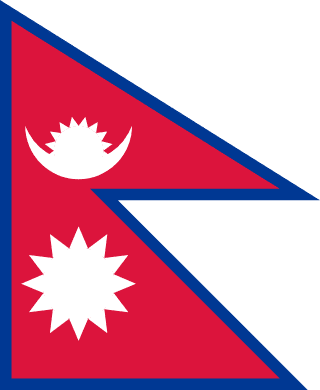 Nepal
Nepal- Continent:
- Asia
- Joined the UN:
- 1955
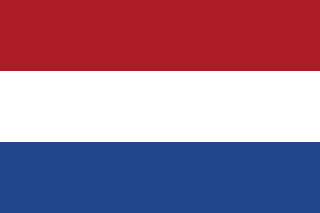 Netherlands
- Continent:
- Europe
- Joined the UN:
- 1945
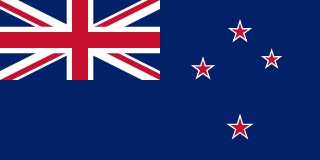 New Zealand
- Continent:
- Oceania
- Joined the UN:
- 1945
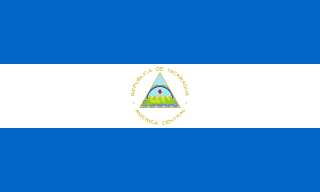 Nicaragua
- Continent:
- North America
- Joined the UN:
- 1945
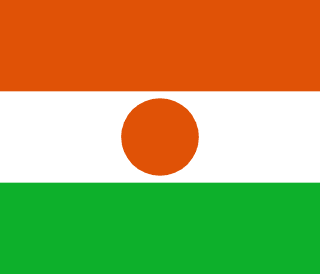 Niger
Niger- Continent:
- Africa
- Joined the UN:
- 1960
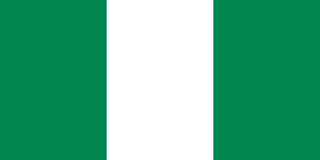 Nigeria
- Continent:
- Africa
- Joined the UN:
- 1960
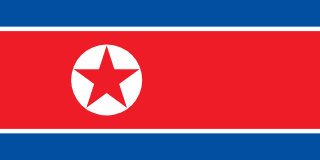 North Korea
- Continent:
- Asia
- Joined the UN:
- 1991
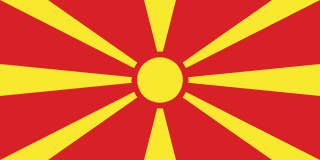 North Macedonia
- Continent:
- Europe
- Joined the UN:
- 1993
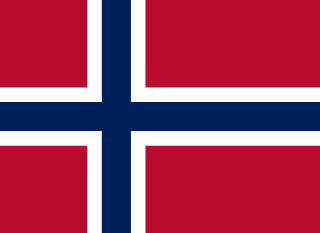 Norway
- Continent:
- Europe
- Joined the UN:
- 1945
 Oman
Oman- Continent:
- Asia
- Joined the UN:
- 1971
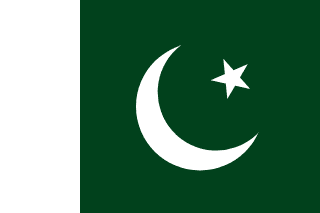 Pakistan
- Continent:
- Asia
- Joined the UN:
- 1947
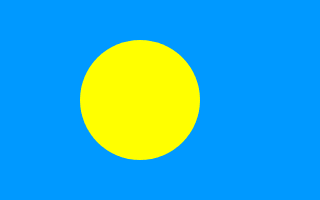 Palau
Palau- Continent:
- Oceania
- Joined the UN:
- 1994
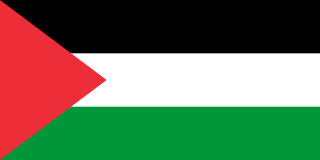 Palestine
- Continent:
- Asia
- Joined the UN:
- Observer
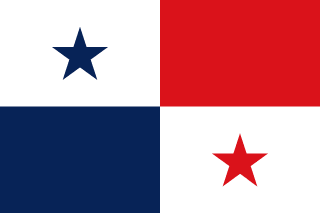 Panama
- Continent:
- North America
- Joined the UN:
- 1945
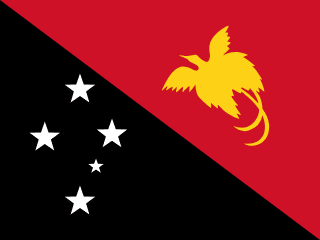 Papua New Guinea
- Continent:
- Oceania
- Joined the UN:
- 1975
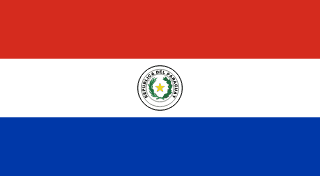 Paraguay
- Continent:
- South America
- Joined the UN:
- 1945
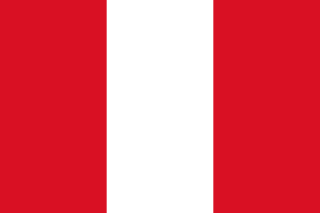 Peru
Peru- Continent:
- South America
- Joined the UN:
- 1945
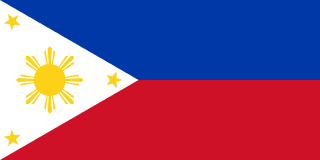 Philippines
- Continent:
- Asia
- Joined the UN:
- 1945
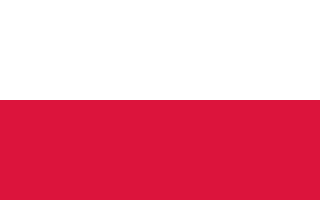 Poland
- Continent:
- Europe
- Joined the UN:
- 1945
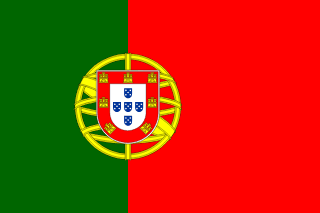 Portugal
- Continent:
- Europe
- Joined the UN:
- 1955
 Qatar
Qatar- Continent:
- Asia
- Joined the UN:
- 1971
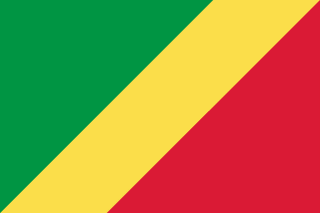 Republic of the Congo
- Continent:
- Africa
- Joined the UN:
- 1960
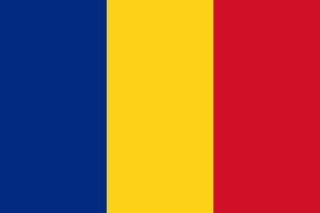 Romania
- Continent:
- Europe
- Joined the UN:
- 1955
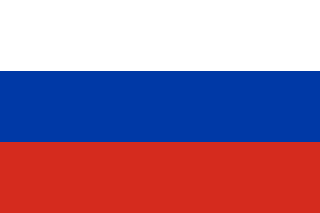 Russia
- Continent:
- Europe
- Joined the UN:
- 1945
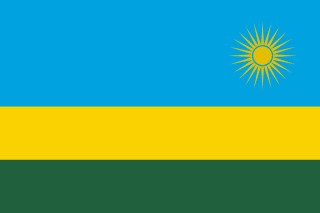 Rwanda
- Continent:
- Africa
- Joined the UN:
- 1962
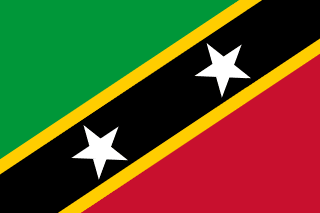 Saint Kitts and Nevis
- Continent:
- North America
- Joined the UN:
- 1983
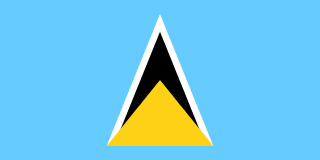 Saint Lucia
- Continent:
- North America
- Joined the UN:
- 1979
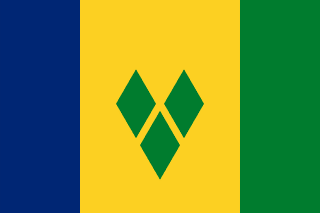 Saint Vincent and the Grenadines
- Continent:
- North America
- Joined the UN:
- 1980
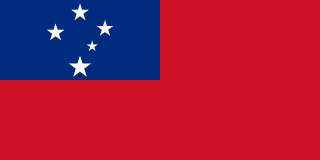 Samoa
Samoa- Continent:
- Oceania
- Joined the UN:
- 1976
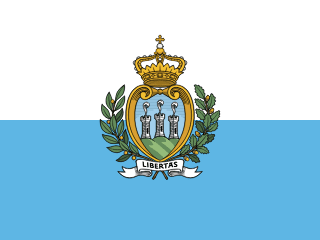 San Marino
- Continent:
- Europe
- Joined the UN:
- 1992
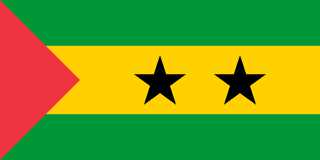 São Tomé and Príncipe
- Continent:
- Africa
- Joined the UN:
- 1975
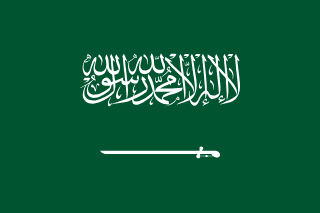 Saudi Arabia
- Continent:
- Asia
- Joined the UN:
- 1945
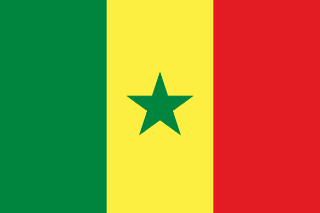 Senegal
- Continent:
- Africa
- Joined the UN:
- 1960
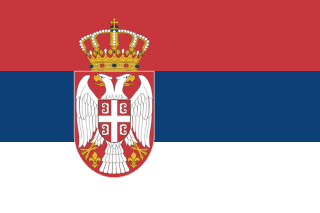 Serbia
- Continent:
- Europe
- Joined the UN:
- 2000
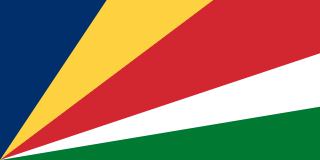 Seychelles
- Continent:
- Africa
- Joined the UN:
- 1976
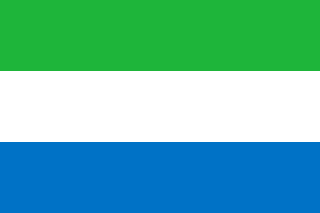 Sierra Leone
- Continent:
- Africa
- Joined the UN:
- 1961
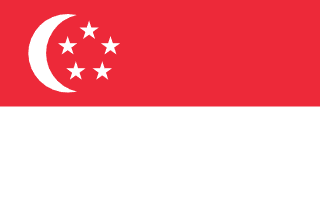 Singapore
- Continent:
- Asia
- Joined the UN:
- 1965
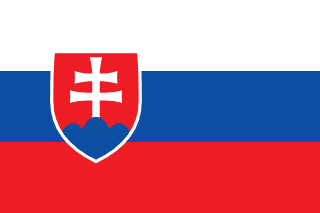 Slovakia
- Continent:
- Europe
- Joined the UN:
- 1993
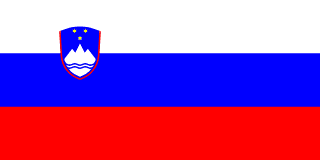 Slovenia
- Continent:
- Europe
- Joined the UN:
- 1992
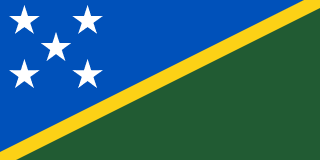 Solomon Islands
- Continent:
- Oceania
- Joined the UN:
- 1978
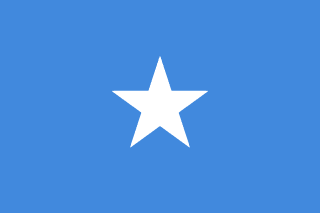 Somalia
- Continent:
- Africa
- Joined the UN:
- 1960
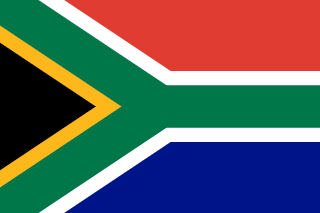 South Africa
- Continent:
- Africa
- Joined the UN:
- 1945
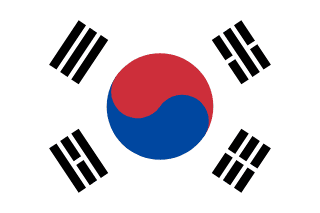 South Korea
- Continent:
- Asia
- Joined the UN:
- 1991
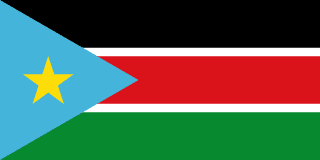 South Sudan
- Continent:
- Africa
- Joined the UN:
- 2011
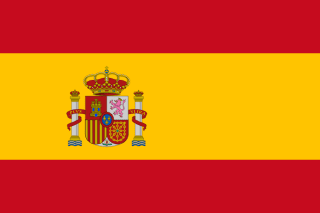 Spain
Spain- Continent:
- Europe
- Joined the UN:
- 1955
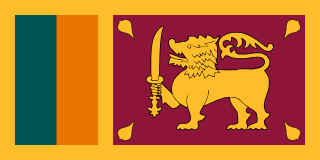 Sri Lanka
- Continent:
- Asia
- Joined the UN:
- 1955
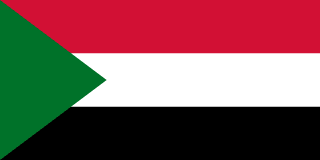 Sudan
Sudan- Continent:
- Africa
- Joined the UN:
- 1956
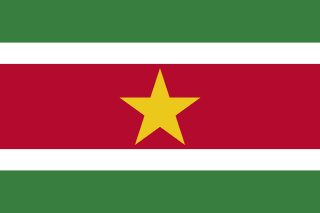 Suriname
- Continent:
- South America
- Joined the UN:
- 1975
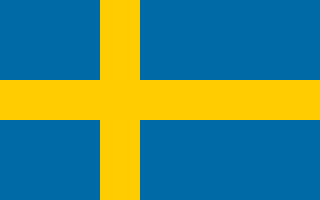 Sweden
- Continent:
- Europe
- Joined the UN:
- 1946
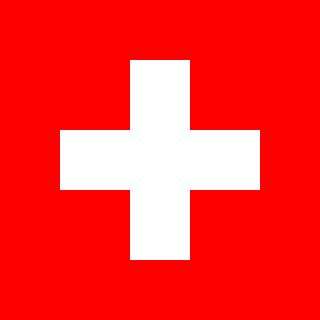 Switzerland
- Continent:
- Europe
- Joined the UN:
- 2002
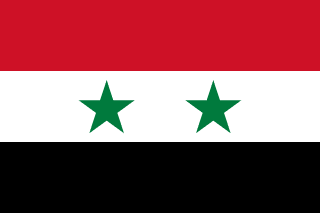 Syria
Syria- Continent:
- Asia
- Joined the UN:
- 1945
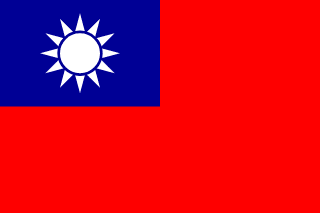 Taiwan
- Continent:
- Asia
- Joined the UN:
- Not a member
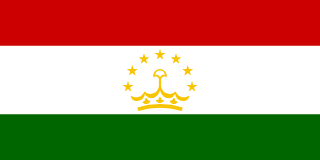 Tajikistan
- Continent:
- Asia
- Joined the UN:
- 1992
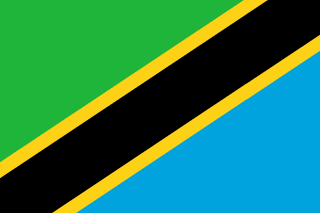 Tanzania
- Continent:
- Africa
- Joined the UN:
- 1961
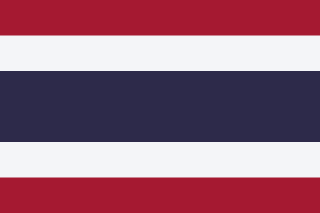 Thailand
- Continent:
- Asia
- Joined the UN:
- 1946
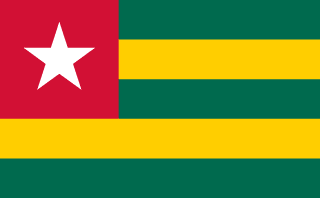 Togo
Togo- Continent:
- Africa
- Joined the UN:
- 1960
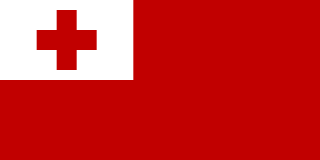 Tonga
Tonga- Continent:
- Oceania
- Joined the UN:
- 1999
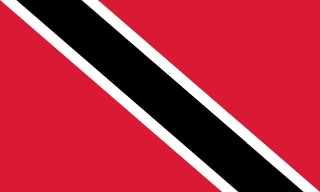 Trinidad and Tobago
- Continent:
- North America
- Joined the UN:
- 1962
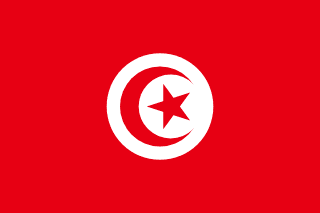 Tunisia
- Continent:
- Africa
- Joined the UN:
- 1956
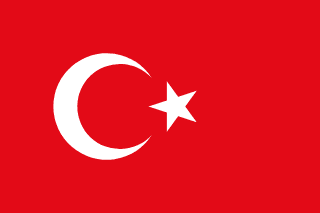 Turkey
- Continent:
- Asia
- Joined the UN:
- 1945
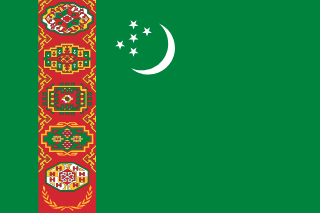 Turkmenistan
- Continent:
- Asia
- Joined the UN:
- 1992
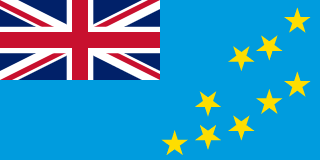 Tuvalu
- Continent:
- Oceania
- Joined the UN:
- 2000
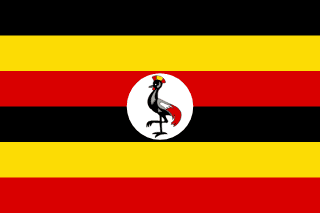 Uganda
- Continent:
- Africa
- Joined the UN:
- 1962
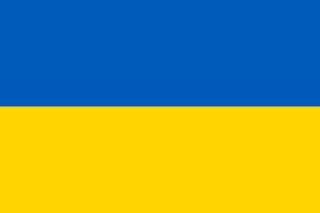 Ukraine
- Continent:
- Europe
- Joined the UN:
- 1945
 United Arab Emirates
- Continent:
- Asia
- Joined the UN:
- 1971
 United Kingdom
- Continent:
- Europe
- Joined the UN:
- 1945
 United States
- Continent:
- North America
- Joined the UN:
- 1945
 Uruguay
- Continent:
- South America
- Joined the UN:
- 1945
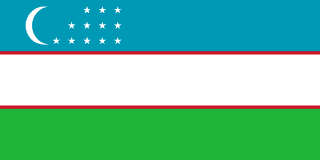 Uzbekistan
- Continent:
- Asia
- Joined the UN:
- 1992
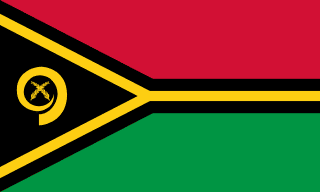 Vanuatu
- Continent:
- Oceania
- Joined the UN:
- 1981
 Vatican City
- Continent:
- Europe
- Joined the UN:
- Observer
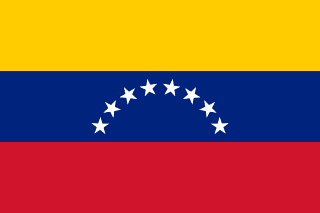 Venezuela
- Continent:
- South America
- Joined the UN:
- 1945
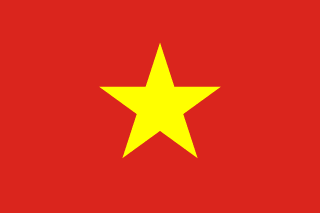 Vietnam
- Continent:
- Asia
- Joined the UN:
- 1977
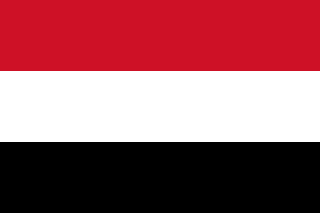 Yemen
Yemen- Continent:
- Asia
- Joined the UN:
- 1947
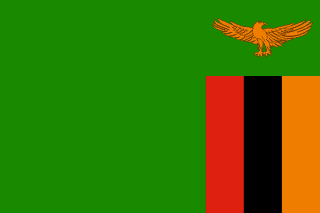 Zambia
- Continent:
- Africa
- Joined the UN:
- 1964
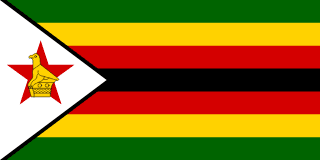 Zimbabwe
- Continent:
- Africa
- Joined the UN:
- 1980
| Continent | ||
|---|---|---|
| Afghanistan | Asia | 1946 |
| Albania | Europe | 1955 |
| Algeria | Africa | 1962 |
| Andorra | Europe | 1993 |
| Angola | Africa | 1976 |
| Antigua and Barbuda | North America | 1981 |
| Argentina | South America | 1945 |
| Armenia | Asia | 1992 |
| Australia | Oceania | 1945 |
| Austria | Europe | 1955 |
| Azerbaijan | Asia | 1992 |
| Bahamas | North America | 1973 |
| Bahrain | Asia | 1971 |
| Bangladesh | Asia | 1974 |
| Barbados | North America | 1966 |
| Belarus | Europe | 1945 |
| Belgium | Europe | 1945 |
| Belize | North America | 1981 |
| Benin | Africa | 1960 |
| Bhutan | Asia | 1971 |
| Bolivia | South America | 1945 |
| Bosnia and Herzegovina | Europe | 1992 |
| Botswana | Africa | 1966 |
| Brazil | South America | 1945 |
| Brunei | Asia | 1984 |
| Bulgaria | Europe | 1955 |
| Burkina Faso | Africa | 1960 |
| Burundi | Africa | 1962 |
| Cambodia | Asia | 1955 |
| Cameroon | Africa | 1960 |
| Canada | North America | 1945 |
| Cape Verde | Africa | 1975 |
| Central African Republic | Africa | 1960 |
| Chad | Africa | 1960 |
| Chile | South America | 1945 |
| China | Asia | 1945 |
| Colombia | South America | 1945 |
| Comoros | Africa | 1975 |
| Costa Rica | North America | 1945 |
| Croatia | Europe | 1992 |
| Cuba | North America | 1945 |
| Cyprus | Asia | 1960 |
| Czechia | Europe | 1993 |
| Denmark | Europe | 1945 |
| Djibouti | Africa | 1977 |
| Dominica | North America | 1978 |
| Dominican Republic | North America | 1945 |
| DR Congo | Africa | 1960 |
| East Timor | Asia | 2002 |
| Ecuador | South America | 1945 |
| Egypt | Africa | 1945 |
| El Salvador | North America | 1945 |
| Equatorial Guinea | Africa | 1968 |
| Eritrea | Africa | 1993 |
| Estonia | Europe | 1991 |
| Eswatini | Africa | 1968 |
| Ethiopia | Africa | 1945 |
| Fiji | Oceania | 1970 |
| Finland | Europe | 1955 |
| France | Europe | 1945 |
| Gabon | Africa | 1960 |
| Gambia | Africa | 1965 |
| Georgia | Asia | 1992 |
| Germany | Europe | 1973 |
| Ghana | Africa | 1957 |
| Greece | Europe | 1945 |
| Grenada | North America | 1974 |
| Guatemala | North America | 1945 |
| Guinea | Africa | 1958 |
| Guinea-Bissau | Africa | 1974 |
| Guyana | South America | 1966 |
| Haiti | North America | 1945 |
| Honduras | North America | 1945 |
| Hungary | Europe | 1955 |
| Iceland | Europe | 1946 |
| India | Asia | 1945 |
| Indonesia | Asia | 1950 |
| Iran | Asia | 1945 |
| Iraq | Asia | 1945 |
| Ireland | Europe | 1955 |
| Israel | Asia | 1949 |
| Italy | Europe | 1955 |
| Ivory Coast | Africa | 1960 |
| Jamaica | North America | 1962 |
| Japan | Asia | 1956 |
| Jordan | Asia | 1955 |
| Kazakhstan | Asia | 1992 |
| Kenya | Africa | 1963 |
| Kiribati | Oceania | 1999 |
| Kosovo | Europe | Not a member |
| Kuwait | Asia | 1963 |
| Kyrgyzstan | Asia | 1992 |
| Laos | Asia | 1955 |
| Latvia | Europe | 1991 |
| Lebanon | Asia | 1945 |
| Lesotho | Africa | 1966 |
| Liberia | Africa | 1945 |
| Libya | Africa | 1955 |
| Liechtenstein | Europe | 1990 |
| Lithuania | Europe | 1991 |
| Luxembourg | Europe | 1945 |
| Madagascar | Africa | 1960 |
| Malawi | Africa | 1964 |
| Malaysia | Asia | 1957 |
| Maldives | Asia | 1965 |
| Mali | Africa | 1960 |
| Malta | Europe | 1964 |
| Marshall Islands | Oceania | 1991 |
| Mauritania | Africa | 1961 |
| Mauritius | Africa | 1968 |
| Mexico | North America | 1945 |
| Micronesia | Oceania | 1991 |
| Moldova | Europe | 1992 |
| Monaco | Europe | 1993 |
| Mongolia | Asia | 1961 |
| Montenegro | Europe | 2006 |
| Morocco | Africa | 1956 |
| Mozambique | Africa | 1975 |
| Myanmar | Asia | 1948 |
| Namibia | Africa | 1990 |
| Nauru | Oceania | 1999 |
| Nepal | Asia | 1955 |
| Netherlands | Europe | 1945 |
| New Zealand | Oceania | 1945 |
| Nicaragua | North America | 1945 |
| Niger | Africa | 1960 |
| Nigeria | Africa | 1960 |
| North Korea | Asia | 1991 |
| North Macedonia | Europe | 1993 |
| Norway | Europe | 1945 |
| Oman | Asia | 1971 |
| Pakistan | Asia | 1947 |
| Palau | Oceania | 1994 |
| Palestine | Asia | Observer |
| Panama | North America | 1945 |
| Papua New Guinea | Oceania | 1975 |
| Paraguay | South America | 1945 |
| Peru | South America | 1945 |
| Philippines | Asia | 1945 |
| Poland | Europe | 1945 |
| Portugal | Europe | 1955 |
| Qatar | Asia | 1971 |
| Republic of the Congo | Africa | 1960 |
| Romania | Europe | 1955 |
| Russia | Europe | 1945 |
| Rwanda | Africa | 1962 |
| Saint Kitts and Nevis | North America | 1983 |
| Saint Lucia | North America | 1979 |
| Saint Vincent and the Grenadines | North America | 1980 |
| Samoa | Oceania | 1976 |
| San Marino | Europe | 1992 |
| São Tomé and Príncipe | Africa | 1975 |
| Saudi Arabia | Asia | 1945 |
| Senegal | Africa | 1960 |
| Serbia | Europe | 2000 |
| Seychelles | Africa | 1976 |
| Sierra Leone | Africa | 1961 |
| Singapore | Asia | 1965 |
| Slovakia | Europe | 1993 |
| Slovenia | Europe | 1992 |
| Solomon Islands | Oceania | 1978 |
| Somalia | Africa | 1960 |
| South Africa | Africa | 1945 |
| South Korea | Asia | 1991 |
| South Sudan | Africa | 2011 |
| Spain | Europe | 1955 |
| Sri Lanka | Asia | 1955 |
| Sudan | Africa | 1956 |
| Suriname | South America | 1975 |
| Sweden | Europe | 1946 |
| Switzerland | Europe | 2002 |
| Syria | Asia | 1945 |
| Taiwan | Asia | Not a member |
| Tajikistan | Asia | 1992 |
| Tanzania | Africa | 1961 |
| Thailand | Asia | 1946 |
| Togo | Africa | 1960 |
| Tonga | Oceania | 1999 |
| Trinidad and Tobago | North America | 1962 |
| Tunisia | Africa | 1956 |
| Turkey | Asia | 1945 |
| Turkmenistan | Asia | 1992 |
| Tuvalu | Oceania | 2000 |
| Uganda | Africa | 1962 |
| Ukraine | Europe | 1945 |
| United Arab Emirates | Asia | 1971 |
| United Kingdom | Europe | 1945 |
| United States | North America | 1945 |
| Uruguay | South America | 1945 |
| Uzbekistan | Asia | 1992 |
| Vanuatu | Oceania | 1981 |
| Vatican City | Europe | Observer |
| Venezuela | South America | 1945 |
| Vietnam | Asia | 1977 |
| Yemen | Asia | 1947 |
| Zambia | Africa | 1964 |
| Zimbabwe | Africa | 1980 |
The newest countries
South Sudan is the newest country. It became independent from Sudan on 9 July 2011 and joined the UN five days later. Before it, the UN's newest members were Montenegro (2006), East Timor and Switzerland (both 2002), and Serbia and Tuvalu (both 2000).
The UN was founded in 1945, and 49 of today's members date their membership to that year. The busiest year since was 1960, when 17 countries joined, 16 of them African.
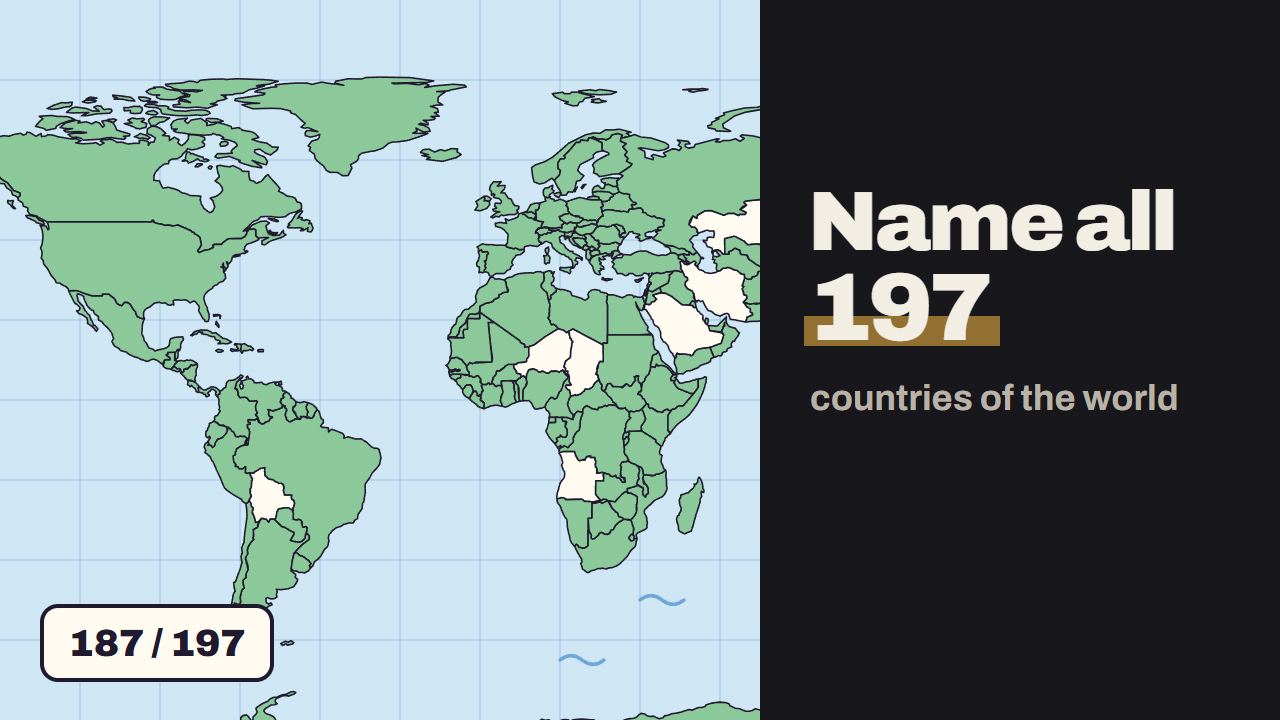
Can you name all 197?
Type every country you can remember and watch the world map fill in green. There is no time limit.
Play Countries of the World QuizQuestions people ask
What is the newest country in the world?
South Sudan. It became independent from Sudan on 9 July 2011 and joined the UN on 14 July 2011. No country has joined the UN since.
Is Taiwan a country?
It governs itself, but it is not a UN member and most countries do not recognise it. Its foreign ministry lists 12 states that do: 11 UN members and the Holy See. Our quiz counts it, which is one reason the quiz has 197.
How many countries are in the Olympics and in FIFA?
The International Olympic Committee recognises 206 National Olympic Committees, and FIFA has 211 member associations. Both are higher than the number of countries because they also include territories with their own teams.
Is Greenland a country?
No. Greenland is a self-governing part of the Kingdom of Denmark. Its own government runs most domestic affairs and took on more of them on 21 June 2009, while Denmark handles foreign relations and defence.
Sources
- United Nations: member states, with each date of admission
- United Nations: non-member states (the Holy See and Palestine)
- UN Statistics Division: standard country and area codes (M49 regions)
- Worldometers: how many countries are there in the world?
- International Olympic Committee: National Olympic Committees
- FIFA: member associations
- Ministry of Foreign Affairs, Republic of China (Taiwan): diplomatic allies
- American Institute in Taiwan: UN General Assembly Resolution 2758 (1971)
- Britannica: Taiwan
- Britannica: Kosovo
- Britannica: Western Sahara
- African Union: member states
- Al Jazeera: Israel becomes first country to recognise Somaliland (2025)
- Britannica: Cyprus
- Britannica: South Sudan
- Britannica: Greenland