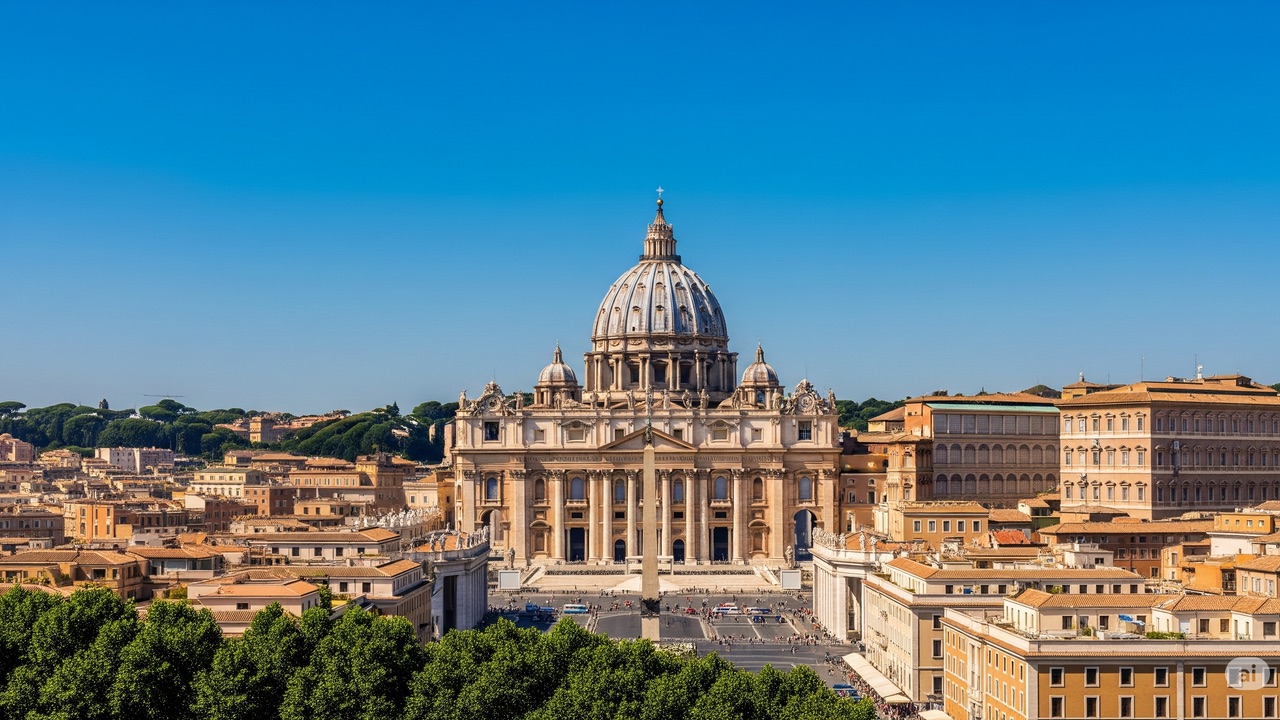
What is the smallest country in the world?
The smallest country in the world is Vatican City. Its own government gives its area as 0.44 km², or 44 hectares. That is about 109 acres, so New York's Central Park (843 acres) could hold it almost eight times over.
Rome surrounds it on every side, and old walls form most of the border. The exception is St Peter's Square, which belongs to the Vatican: there the border is a marble strip at the outer edge of the square, and anyone can walk across it.
Vatican City became a state through the Lateran Treaty, which the Holy See and Italy signed on 11 February 1929. The Holy See, which the pope heads, takes part at the United Nations as a non-member observer state. That is why lists of UN members leave the Vatican out.
Top 10 smallest countries in the world by area
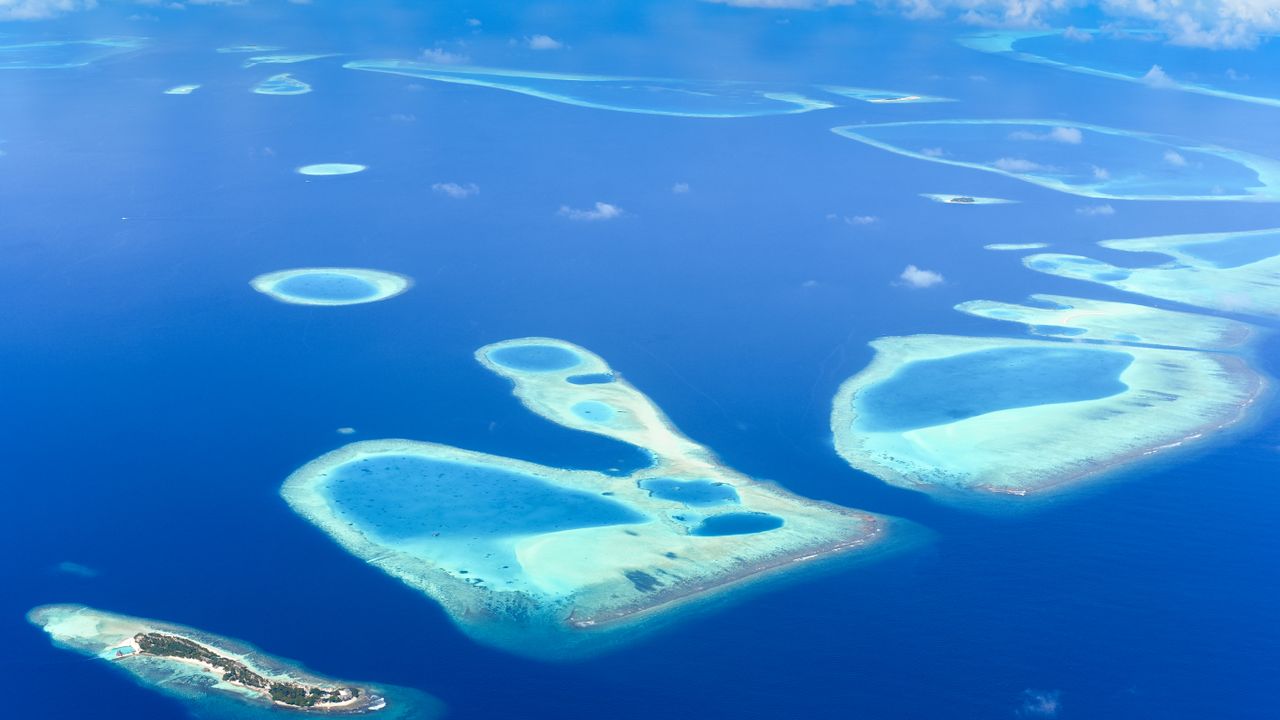
The 10 smallest countries in the world are Vatican City, Monaco, Nauru, Tuvalu, San Marino, Liechtenstein, the Marshall Islands, Saint Kitts and Nevis, the Maldives and Malta. Five of them are in Europe. The table goes on to 20: Grenada is 11th, and Singapore, at 736 km², is 20th.
 Vatican City
- Rank:
- 1
- Area (km²):
- 0.44
- Area (sq mi):
- 0.17
- Continent:
- Europe
 Monaco
- Rank:
- 2
- Area (km²):
- 2
- Area (sq mi):
- 0.77
- Continent:
- Europe
 Nauru
- Rank:
- 3
- Area (km²):
- 21
- Area (sq mi):
- 8.1
- Continent:
- Oceania
 Tuvalu
- Rank:
- 4
- Area (km²):
- 26
- Area (sq mi):
- 10
- Continent:
- Oceania
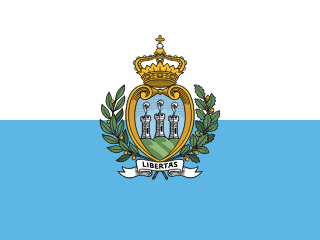 San Marino
- Rank:
- 5
- Area (km²):
- 61
- Area (sq mi):
- 24
- Continent:
- Europe
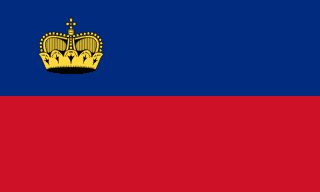 Liechtenstein
- Rank:
- 6
- Area (km²):
- 160
- Area (sq mi):
- 62
- Continent:
- Europe
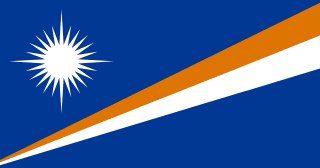 Marshall Islands
- Rank:
- 7
- Area (km²):
- 181
- Area (sq mi):
- 70
- Continent:
- Oceania
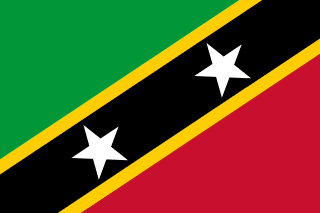 Saint Kitts and Nevis
- Rank:
- 8
- Area (km²):
- 261
- Area (sq mi):
- 101
- Continent:
- North America
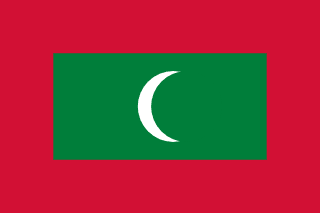 Maldives
- Rank:
- 9
- Area (km²):
- 300
- Area (sq mi):
- 116
- Continent:
- Asia
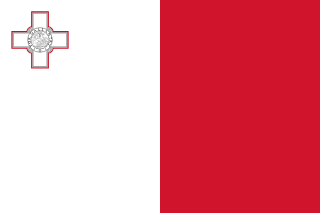 Malta
- Rank:
- 10
- Area (km²):
- 315
- Area (sq mi):
- 122
- Continent:
- Europe
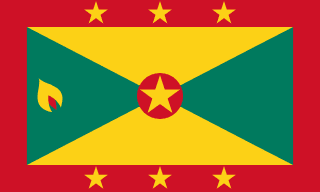 Grenada
- Rank:
- 11
- Area (km²):
- 344
- Area (sq mi):
- 133
- Continent:
- North America
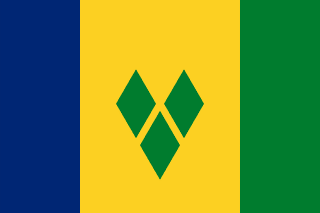 Saint Vincent and the Grenadines
- Rank:
- 12
- Area (km²):
- 389
- Area (sq mi):
- 150
- Continent:
- North America
 Barbados
- Rank:
- 13
- Area (km²):
- 431
- Area (sq mi):
- 166
- Continent:
- North America
 Antigua and Barbuda
- Rank:
- 14
- Area (km²):
- 440
- Area (sq mi):
- 170
- Continent:
- North America
 Seychelles
- Rank:
- 15
- Area (km²):
- 457
- Area (sq mi):
- 176
- Continent:
- Africa
 Palau
- Rank:
- 16
- Area (km²):
- 460
- Area (sq mi):
- 178
- Continent:
- Oceania
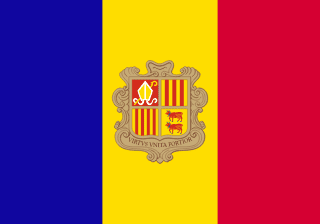 Andorra
- Rank:
- 17
- Area (km²):
- 468
- Area (sq mi):
- 181
- Continent:
- Europe
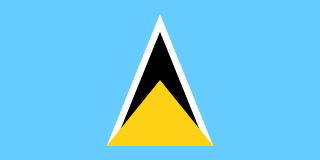 Saint Lucia
- Rank:
- 18
- Area (km²):
- 616
- Area (sq mi):
- 238
- Continent:
- North America
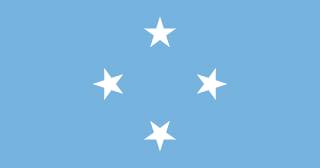 Micronesia
- Rank:
- 19
- Area (km²):
- 701
- Area (sq mi):
- 271
- Continent:
- Oceania
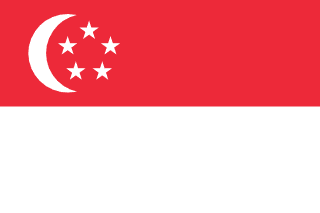 Singapore
- Rank:
- 20
- Area (km²):
- 736
- Area (sq mi):
- 284
- Continent:
- Asia
| Continent | ||||
|---|---|---|---|---|
| 1 | Vatican City | 0.44 | 0.17 | Europe |
| 2 | Monaco | 2 | 0.77 | Europe |
| 3 | Nauru | 21 | 8.1 | Oceania |
| 4 | Tuvalu | 26 | 10 | Oceania |
| 5 | San Marino | 61 | 24 | Europe |
| 6 | Liechtenstein | 160 | 62 | Europe |
| 7 | Marshall Islands | 181 | 70 | Oceania |
| 8 | Saint Kitts and Nevis | 261 | 101 | North America |
| 9 | Maldives | 300 | 116 | Asia |
| 10 | Malta | 315 | 122 | Europe |
| 11 | Grenada | 344 | 133 | North America |
| 12 | Saint Vincent and the Grenadines | 389 | 150 | North America |
| 13 | Barbados | 431 | 166 | North America |
| 14 | Antigua and Barbuda | 440 | 170 | North America |
| 15 | Seychelles | 457 | 176 | Africa |
| 16 | Palau | 460 | 178 | Oceania |
| 17 | Andorra | 468 | 181 | Europe |
| 18 | Saint Lucia | 616 | 238 | North America |
| 19 | Micronesia | 701 | 271 | Oceania |
| 20 | Singapore | 736 | 284 | Asia |
I count 197 countries, the same as the Countries of the World Quiz: the 193 UN members plus Vatican City, Palestine, Kosovo and Taiwan. Areas are the World Bank's surface area figures for 2024, which include lakes and rivers. Vatican City and Monaco come from the UN Demographic Yearbook 2024 instead, because the World Bank has no figure for the Vatican and gives Monaco 74.9 km², far more than the 2 km² in the UN's yearbook.
Past 10th place the order differs a little from source to source. Kiribati, for example, is 811 km² on the World Bank's figures and 726 km² in the UN yearbook, which is enough to move it in or out of the top 20.
The second and third smallest: Monaco and Nauru
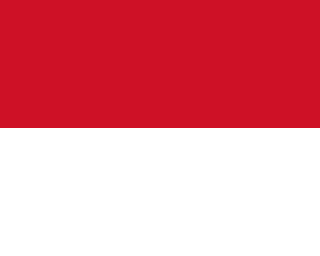
Monaco is the second smallest country, about 2 km² squeezed between the mountains and the Mediterranean. That is smaller than Central Park, yet about 38,000 people live there, roughly 19,000 per km², which makes Monaco the most densely populated country in the world. It is still growing a little: in December 2024 it opened Mareterra, a new district of about six hectares built out into the sea.
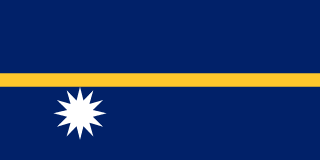
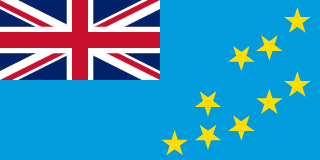
Nauru, an island of 21 km² in the Pacific, is third. That makes it the smallest island country, and since Vatican City and Monaco are not republics, the smallest republic as well. Tuvalu, also in the Pacific, is fourth at 26 km².
The smallest country in the world by population
Vatican City has the fewest people as well. Its own count at the end of 2024 was 882 residents, citizens and non-citizens together. It has 673 citizens, and 458 of them live inside the walls, 120 Swiss Guards among them.
The UN's figure for the Vatican is lower, about 500. I use the UN's figures in the table below, so every country is counted the same way. Among UN members the smallest by population is Tuvalu, with about 9,400 people.
- Vatican City
- Rank:
- 1
- Population:
- 506
- Area (km²):
- 0.44
- Tuvalu
- Rank:
- 2
- Population:
- 9,362
- Area (km²):
- 26
- Nauru
- Rank:
- 3
- Population:
- 12,101
- Area (km²):
- 21
- Palau
- Rank:
- 4
- Population:
- 17,614
- Area (km²):
- 460
- San Marino
- Rank:
- 5
- Population:
- 33,605
- Area (km²):
- 61
- Marshall Islands
- Rank:
- 6
- Population:
- 35,075
- Area (km²):
- 181
- Monaco
- Rank:
- 7
- Population:
- 38,087
- Area (km²):
- 2
- Liechtenstein
- Rank:
- 8
- Population:
- 40,368
- Area (km²):
- 160
- Saint Kitts and Nevis
- Rank:
- 9
- Population:
- 46,992
- Area (km²):
- 261
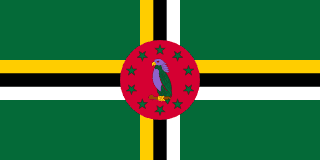 Dominica
- Rank:
- 10
- Population:
- 65,511
- Area (km²):
- 751
- Andorra
- Rank:
- 11
- Population:
- 83,753
- Area (km²):
- 468
- Antigua and Barbuda
- Rank:
- 12
- Population:
- 94,626
- Area (km²):
- 440
- Saint Vincent and the Grenadines
- Rank:
- 13
- Population:
- 99,245
- Area (km²):
- 389
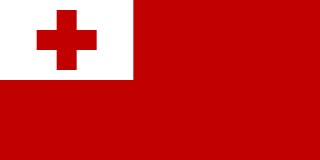 Tonga
- Rank:
- 14
- Population:
- 103,291
- Area (km²):
- 749
- Micronesia
- Rank:
- 15
- Population:
- 114,183
- Area (km²):
- 701
- Grenada
- Rank:
- 16
- Population:
- 117,362
- Area (km²):
- 344
- Seychelles
- Rank:
- 17
- Population:
- 134,959
- Area (km²):
- 457
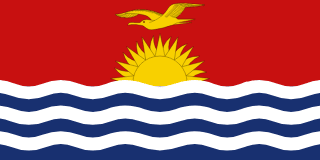 Kiribati
- Rank:
- 18
- Population:
- 138,445
- Area (km²):
- 811
- Saint Lucia
- Rank:
- 19
- Population:
- 180,488
- Area (km²):
- 616
 Samoa
- Rank:
- 20
- Population:
- 220,528
- Area (km²):
- 2,840
| 1 | Vatican City | 506 | 0.44 |
|---|---|---|---|
| 2 | Tuvalu | 9,362 | 26 |
| 3 | Nauru | 12,101 | 21 |
| 4 | Palau | 17,614 | 460 |
| 5 | San Marino | 33,605 | 61 |
| 6 | Marshall Islands | 35,075 | 181 |
| 7 | Monaco | 38,087 | 2 |
| 8 | Liechtenstein | 40,368 | 160 |
| 9 | Saint Kitts and Nevis | 46,992 | 261 |
| 10 | Dominica | 65,511 | 751 |
| 11 | Andorra | 83,753 | 468 |
| 12 | Antigua and Barbuda | 94,626 | 440 |
| 13 | Saint Vincent and the Grenadines | 99,245 | 389 |
| 14 | Tonga | 103,291 | 749 |
| 15 | Micronesia | 114,183 | 701 |
| 16 | Grenada | 117,362 | 344 |
| 17 | Seychelles | 134,959 | 457 |
| 18 | Kiribati | 138,445 | 811 |
| 19 | Saint Lucia | 180,488 | 616 |
| 20 | Samoa | 220,528 | 2,840 |
Size and population don't line up neatly. Monaco is second by area but seventh by population, and Palau, at 460 km², has fewer people than any country except the Vatican, Tuvalu and Nauru. The figures are the UN's projections for mid-2026 from its World Population Prospects 2024.
The smallest country on each continent
- Africa
- Smallest by area:
- Seychelles
- Area (km²):
- 457
- Fewest people:
- Seychelles
- Population:
- 134,959
- Asia
- Smallest by area:
- Maldives
- Area (km²):
- 300
- Fewest people:
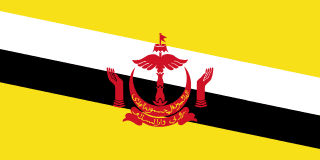 Brunei
- Population:
- 469,775
- Europe
- Smallest by area:
- Vatican City
- Area (km²):
- 0.44
- Fewest people:
- Vatican City
- Population:
- 506
- North America
- Smallest by area:
- Saint Kitts and Nevis
- Area (km²):
- 261
- Fewest people:
- Saint Kitts and Nevis
- Population:
- 46,992
- South America
- Smallest by area:
 Suriname
- Area (km²):
- 163,820
- Fewest people:
- Suriname
- Population:
- 645,256
- Oceania
- Smallest by area:
- Nauru
- Area (km²):
- 21
- Fewest people:
- Tuvalu
- Population:
- 9,362
| Smallest by area | Fewest people | |||
|---|---|---|---|---|
| Africa | Seychelles | 457 | Seychelles | 134,959 |
| Asia | Maldives | 300 | Brunei | 469,775 |
| Europe | Vatican City | 0.44 | Vatican City | 506 |
| North America | Saint Kitts and Nevis | 261 | Saint Kitts and Nevis | 46,992 |
| South America | Suriname | 163,820 | Suriname | 645,256 |
| Oceania | Nauru | 21 | Tuvalu | 9,362 |
Here North America includes Central America and the Caribbean. Within Central America alone, El Salvador is the smallest by area (21,040 km²) and Belize has the fewest people (about 430,000).
In Asia the two answers split: the Maldives covers the least ground, but Brunei has fewer people. In Africa, the Seychelles is an island country; on the African mainland the smallest is the Gambia, at 11,295 km². In South America, French Guiana is smaller than Suriname, but it is part of France rather than a country of its own.
The smallest country that isn't Vatican City
Leave the Vatican out, as any list of UN members does, and Monaco is the smallest country by area and Tuvalu the smallest by population. Both are full members of the United Nations.
What doesn't count: territories and micronations
Places that belong to another country are left out, however small they are. Macao covers 33 km², less than most of the countries in the table above, but it is a special administrative region of China, not a country.
Micronations don't count either. The best known is Sealand, a Second World War anti-aircraft platform in the North Sea off the coast of Essex, England, which has called itself a principality since 1967. It is not a UN member or observer, so it isn't on these lists.
Could you name all 197?
Type every country you can remember and watch the map fill up. Nauru and Tuvalu count as much as China.
Play Countries of the World QuizQuestions people ask
What is the second smallest country in the world?
Monaco, at about 2 km². Because Vatican City is a UN observer rather than a member, Monaco is also the smallest member of the United Nations.
What is the smallest country in the world by population?
Vatican City, with 882 residents at the end of 2024 by its own count. Among UN members it is Tuvalu, with about 9,400 people.
Is Vatican City a country?
Yes. Vatican City State was created by the Lateran Treaty between the Holy See and Italy in 1929, and the Holy See takes part in the United Nations as a non-member observer state.
What is the smallest island country?
Nauru, an island of 21 km² in the Pacific. Tuvalu (26 km²) comes next, and the smallest in the Caribbean is Saint Kitts and Nevis (261 km²).
Sources
- Vatican City State: geography (area of 0.44 km²)
- Vatican City State: population (figures to 31 December 2024)
- Vatican City State: general information (the Lateran Treaty of 1929)
- Britannica: Vatican City
- United Nations: non-member states (the Holy See)
- United Nations: member states
- World Bank: surface area (sq. km), 2024
- UN Demographic Yearbook 2024, table 3: surface area
- UN World Population Prospects 2024: population on 1 July 2026
- Central Park Conservancy: about the park (843 acres)
- La Libre Belgique: Monaco gains six hectares from the sea (December 2024, in French)
- Yachting Monthly: the self-styled prince of Sealand dies (2012)