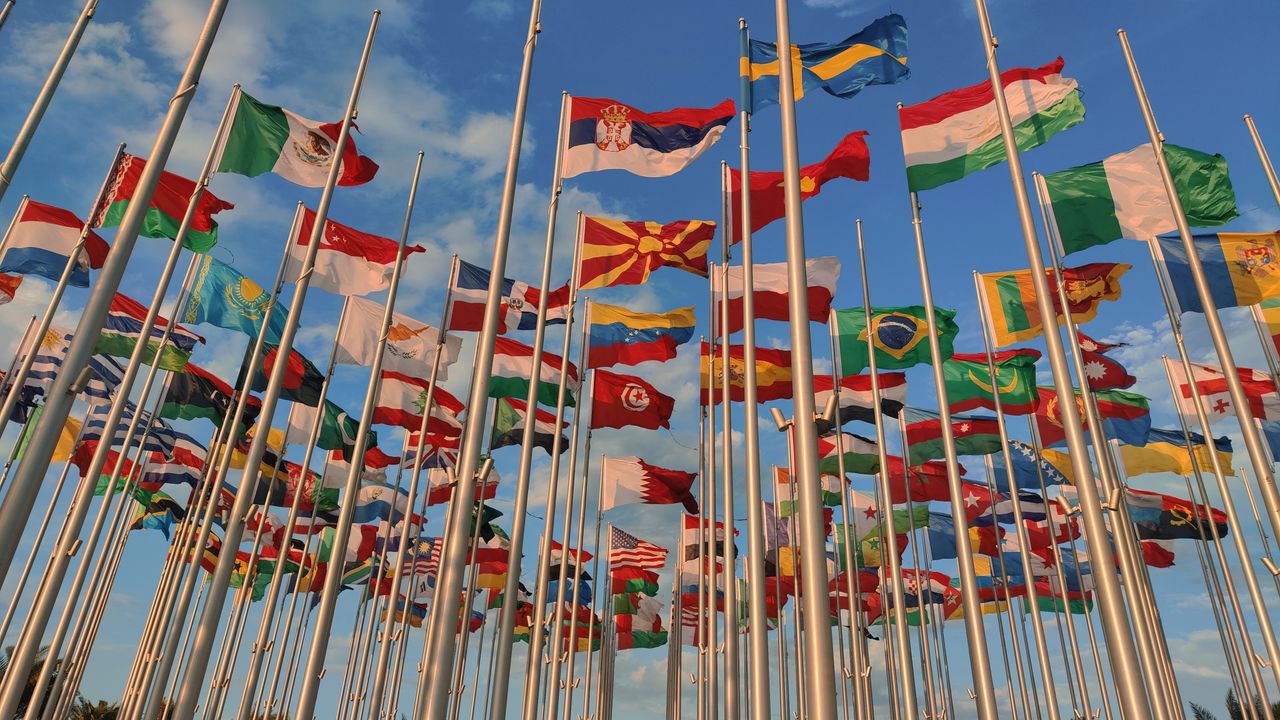
How many countries have stars on their flags?
I count 68. The list covers the 195 countries most people mean: the 193 UN member states plus the two observer states, Vatican City and Palestine. A star counts wherever it sits on the national flag, including inside a coat of arms or a seal. Suns and moons do not count, even when they have pointed rays.
Published counts run from 59 at WorldAtlas to "around 70" at Statista. WorldAtlas's list of 59 leaves out a dozen flags that do carry a star, half of them star-and-crescent flags such as Turkey, Pakistan and Algeria, and it includes Kosovo, the Northern Mariana Islands and Nepal, whose flag has a sun and a moon.
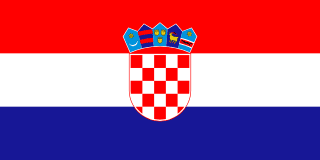
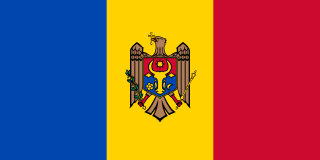
The rest of the spread comes from the rule. Five flags only have stars inside a coat of arms or seal: Croatia, Equatorial Guinea, Moldova, Paraguay and Slovenia. Leave those out and you get 63. Add flags that are not UN members, such as Kosovo, the Cook Islands and Niue, and you pass 70.
Which flag has the most stars?
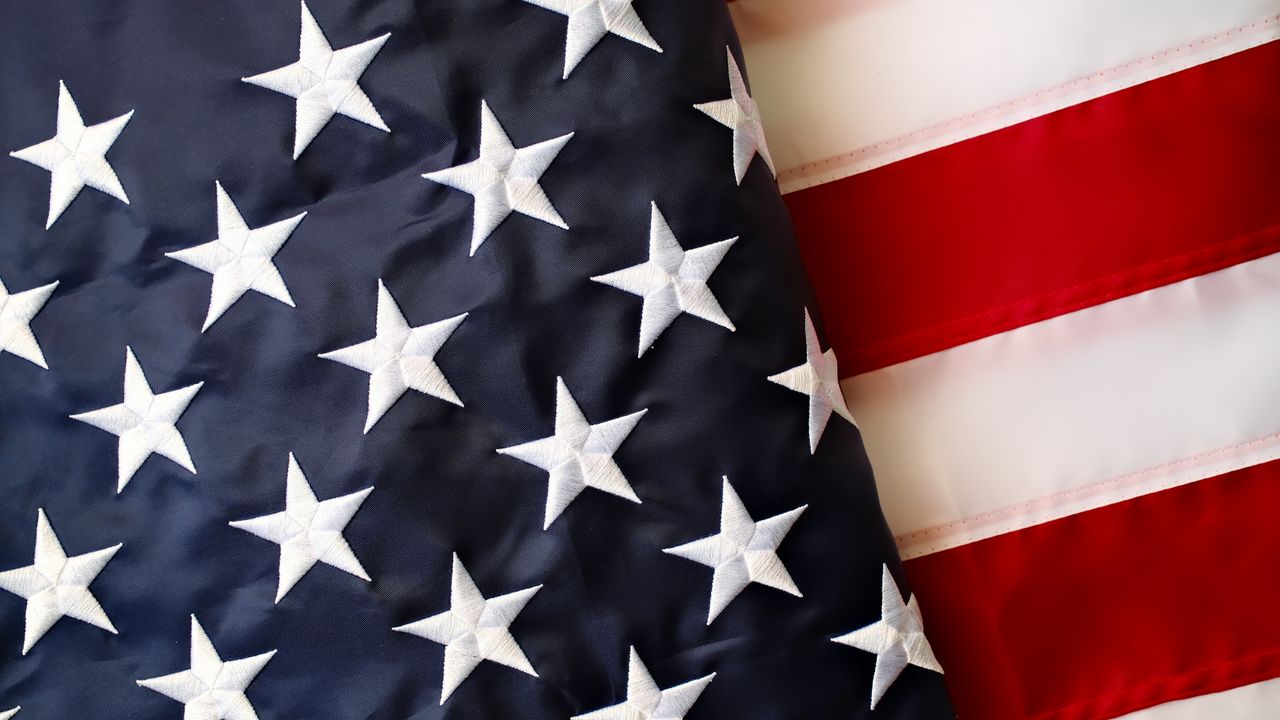
The United States, with 50 white stars, one for each state. Brazil is second with 27, one for each of its 26 states and the Federal District. Uzbekistan is third with 12, then Cape Verde and Dominica with 10 each.
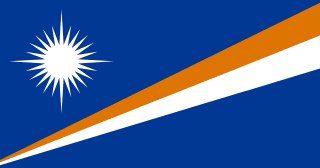
Brazil's stars change with its map. It added one in 1960 for the new state of Guanabara, one in 1968 for Acre and four in 1992. The Marshall Islands hold a different record: their single white star has 24 points, the most of any national flag, one for each electoral district.
Every flag with two or more stars
Thirty flags carry more than one star. On most of them the number means something you can count: states, islands, parishes or provinces. The table sorts by star count.
- United States

- Stars:
- 50
- What they stand for:
- One for each state
- Brazil
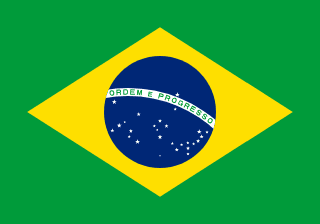
- Stars:
- 27
- What they stand for:
- The 26 states and the Federal District
- Uzbekistan
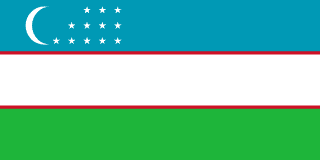
- Stars:
- 12
- What they stand for:
- The regions, and the old Uzbek calendar
- Cape Verde
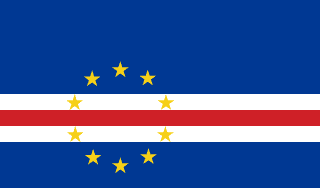
- Stars:
- 10
- What they stand for:
- The ten islands
- Dominica
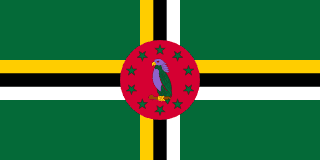
- Stars:
- 10
- What they stand for:
- The ten parishes
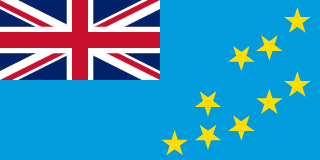
- Tuvalu
- Stars:
- 9
- What they stand for:
- The nine islands, placed as they lie on the map
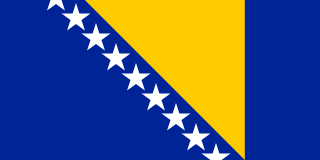
- Bosnia and Herzegovina
- Stars:
- 9
- What they stand for:
- Europe: seven full stars and two halves
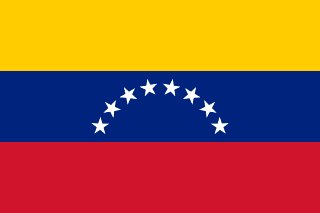
- Venezuela
- Stars:
- 8
- What they stand for:
- The seven provinces that signed independence, plus Guayana
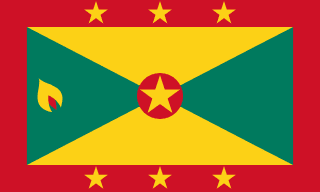
- Grenada
- Stars:
- 7
- What they stand for:
- Six parishes, plus Carriacou and Petite Martinique
- Tajikistan
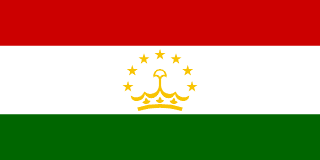
- Stars:
- 7
- What they stand for:
- Seven, a number of perfection in Persian tradition
- Australia
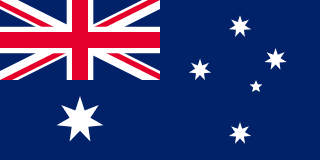
- Stars:
- 6
- What they stand for:
- The Southern Cross (five) and the Commonwealth Star
- Equatorial Guinea
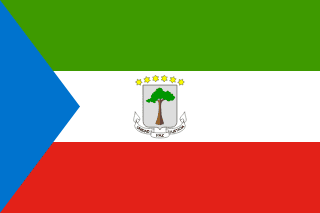
- Stars:
- 6
- What they stand for:
- The mainland and five islands, in the coat of arms
- China

- Stars:
- 5
- What they stand for:
- The Communist Party and the unity of the people
- Honduras
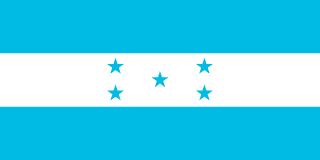
- Stars:
- 5
- What they stand for:
- The five nations of the old Central American federation
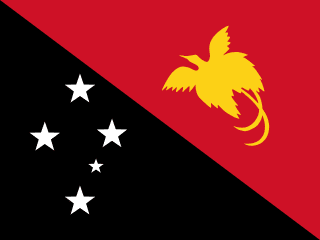
- Papua New Guinea
- Stars:
- 5
- What they stand for:
- The Southern Cross
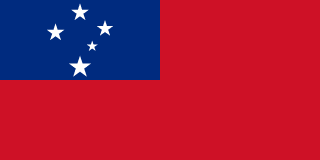
- Samoa
- Stars:
- 5
- What they stand for:
- The Southern Cross
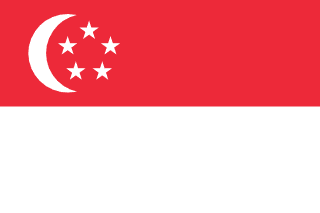
- Singapore
- Stars:
- 5
- What they stand for:
- Democracy, peace, progress, justice and equality
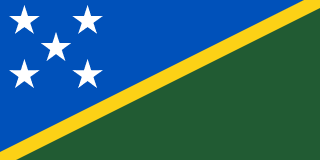
- Solomon Islands
- Stars:
- 5
- What they stand for:
- The provinces when the flag was adopted
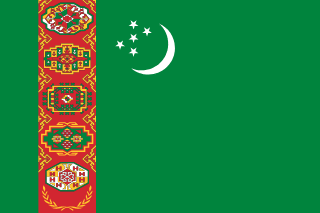
- Turkmenistan
- Stars:
- 5
- What they stand for:
- Said to be the five provinces
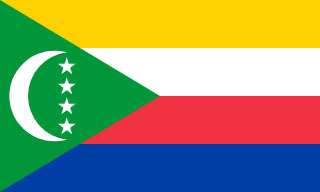
- Comoros
- Stars:
- 4
- What they stand for:
- The four islands
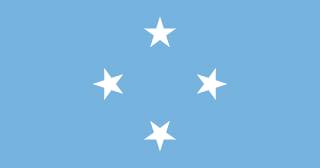
- Micronesia
- Stars:
- 4
- What they stand for:
- The four states
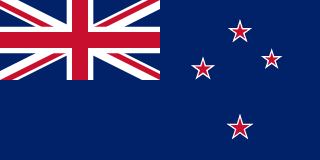
- New Zealand
- Stars:
- 4
- What they stand for:
- The Southern Cross
- Burundi
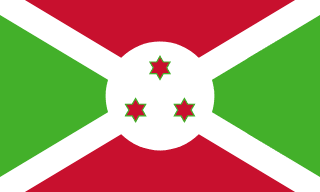
- Stars:
- 3
- What they stand for:
- The three ethnic groups, and the motto Unity, Work, Progress
- Philippines
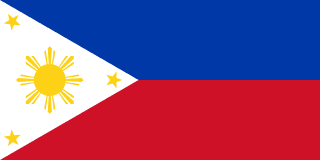
- Stars:
- 3
- What they stand for:
- Luzon, the Visayas and Mindanao
- Slovenia
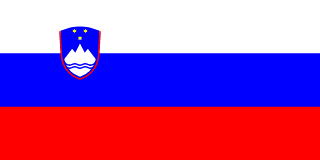
- Stars:
- 3
- What they stand for:
- From the arms of the Counts of Celje, in the coat of arms
- Syria
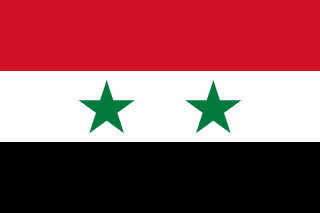
- Stars:
- 3
- What they stand for:
- At first, Aleppo, Damascus and Deir ez-Zor
- Croatia
- Stars:
- 2
- What they stand for:
- Two tiny stars in the crown of the coat of arms
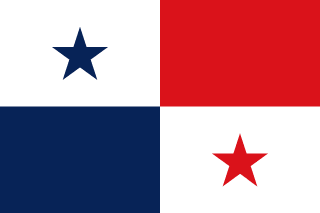
- Panama
- Stars:
- 2
- What they stand for:
- Blue for purity and honesty, red for authority and law
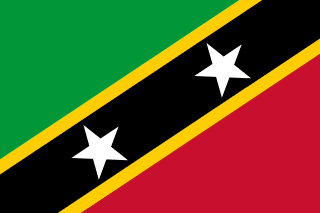
- Saint Kitts and Nevis
- Stars:
- 2
- What they stand for:
- The two islands, and hope and liberty
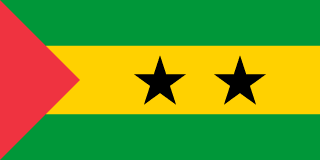
- São Tomé and Príncipe
- Stars:
- 2
- What they stand for:
- The two islands
| Flag | What they stand for | ||
|---|---|---|---|
| United States | 50 | One for each state |
| Brazil | 27 | The 26 states and the Federal District |
| Uzbekistan | 12 | The regions, and the old Uzbek calendar |
| Cape Verde | 10 | The ten islands |
| Dominica | 10 | The ten parishes |
| Tuvalu | 9 | The nine islands, placed as they lie on the map |
| Bosnia and Herzegovina | 9 | Europe: seven full stars and two halves |
| Venezuela | 8 | The seven provinces that signed independence, plus Guayana |
| Grenada | 7 | Six parishes, plus Carriacou and Petite Martinique |
| Tajikistan | 7 | Seven, a number of perfection in Persian tradition |
| Australia | 6 | The Southern Cross (five) and the Commonwealth Star |
| Equatorial Guinea | 6 | The mainland and five islands, in the coat of arms |
| China | 5 | The Communist Party and the unity of the people |
| Honduras | 5 | The five nations of the old Central American federation |
| Papua New Guinea | 5 | The Southern Cross |
| Samoa | 5 | The Southern Cross |
| Singapore | 5 | Democracy, peace, progress, justice and equality |
| Solomon Islands | 5 | The provinces when the flag was adopted |
| Turkmenistan | 5 | Said to be the five provinces |
| Comoros | 4 | The four islands |
| Micronesia | 4 | The four states |
| New Zealand | 4 | The Southern Cross |
| Burundi | 3 | The three ethnic groups, and the motto Unity, Work, Progress |
| Philippines | 3 | Luzon, the Visayas and Mindanao |
| Slovenia | 3 | From the arms of the Counts of Celje, in the coat of arms |
| Syria | 3 | At first, Aleppo, Damascus and Deir ez-Zor |
| Croatia | 2 | Two tiny stars in the crown of the coat of arms |
| Panama | 2 | Blue for purity and honesty, red for authority and law |
| Saint Kitts and Nevis | 2 | The two islands, and hope and liberty |
| São Tomé and Príncipe | 2 | The two islands |
Countries with 5 stars on their flag
Seven flags have exactly five stars: China, Honduras, Papua New Guinea, Samoa, Singapore, Solomon Islands and Turkmenistan. Papua New Guinea and Samoa show the Southern Cross, the constellation that is also on the flags of Australia (five stars plus one) and New Zealand (four).
The rest are easy to tell apart. China's are yellow on red, one big and four small. Singapore's five white stars form a ring beside a crescent. Turkmenistan's also sit beside a crescent, next to a red stripe of carpet patterns. Honduras has five blue stars on its white band, and the Solomon Islands keep five white stars in the top corner.
Flags with 2, 3 or 4 stars
- Four stars: Comoros (its four islands), Micronesia (its four states) and New Zealand (the Southern Cross, red with white edges).
- Three stars: Burundi, the Philippines and Syria, plus Slovenia, whose three gold stars sit in its coat of arms.
- Two stars: Panama, Saint Kitts and Nevis, and São Tomé and Príncipe, plus Croatia, whose two tiny stars are in the crown above its checkerboard shield.
Syria's flag is the one older quizzes get wrong. The red, white and black flag with two green stars is gone. The green, white and black flag with three red stars, known as the independence flag, became the national flag in the Constitutional Declaration of March 2025.
Flags with one star
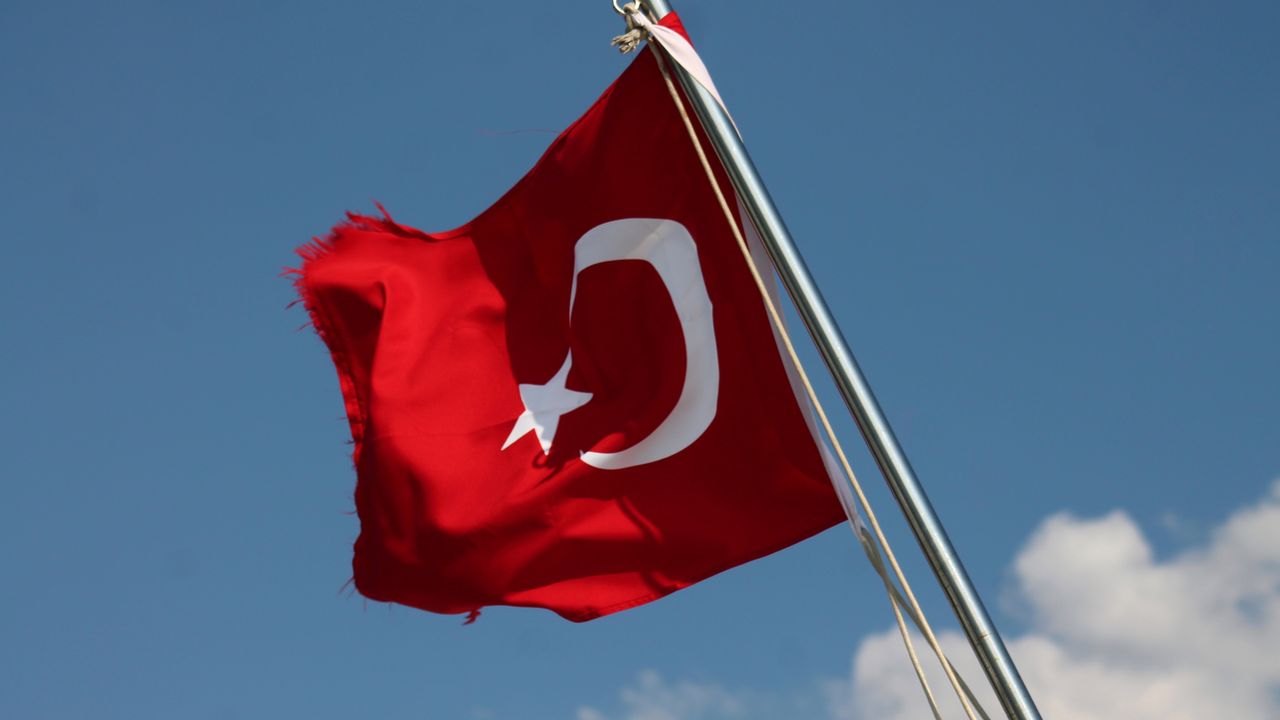
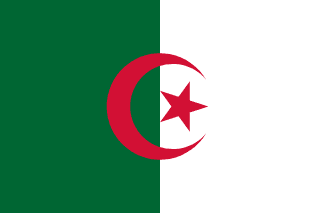
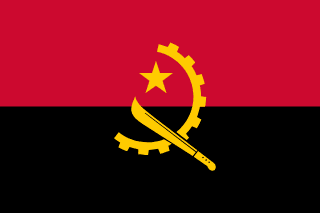
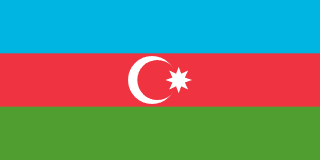
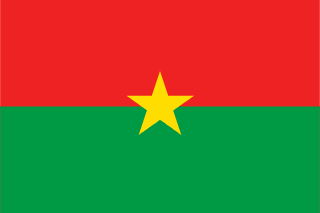
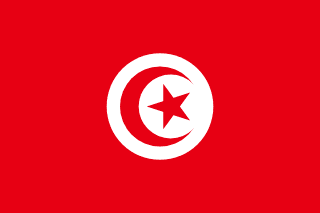
Thirty-eight flags have a single star, more than all the others put together. The star is often the only thing that sets the flag apart, so learn these by the star's colour and where it sits. Eight of them pair it with a crescent: Algeria, Azerbaijan, Libya, Malaysia, Mauritania, Pakistan, Tunisia and Turkey. The crescent moon flags have their own article.
- Algeria
- The star:
- Red star and crescent on green and white
- Angola
- The star:
- Yellow star above a machete and half a cogwheel
- Azerbaijan
- The star:
- White eight-pointed star beside a crescent
- Burkina Faso
- The star:
- Yellow star across the red and green bands
- Cameroon
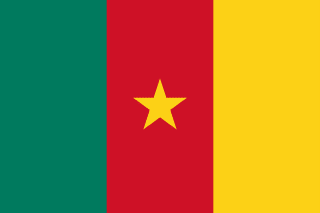
- The star:
- Yellow star on the red middle band
- Central African Republic

- The star:
- Yellow star in the top left corner
- Chile
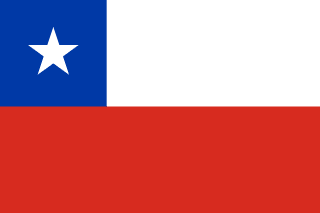
- The star:
- White star in a blue square
- Cuba
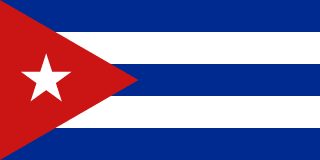
- The star:
- White star in a red triangle
- DR Congo
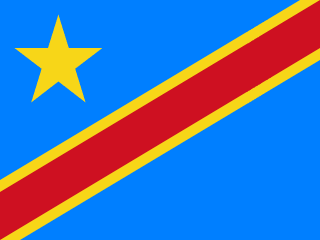
- The star:
- Yellow star in the top left corner
- Djibouti
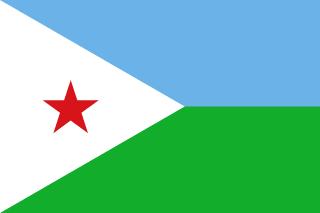
- The star:
- Red star in a white triangle
- East Timor
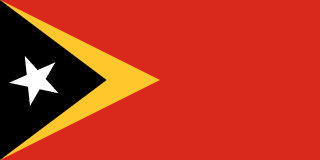
- The star:
- White star in a black triangle
- Ethiopia
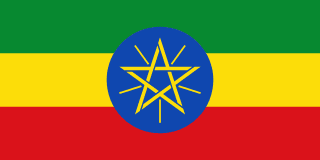
- The star:
- Yellow star on a blue disc
- Ghana
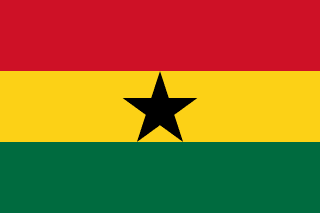
- The star:
- Black star on the yellow band
- Guinea-Bissau
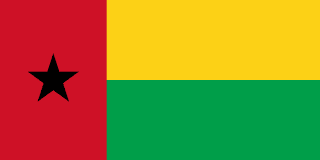
- The star:
- Black star on the red band
- Israel
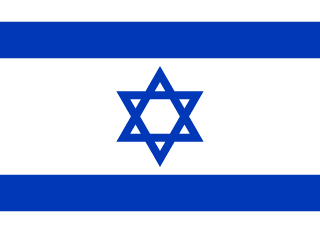
- The star:
- Blue Star of David
- Jordan
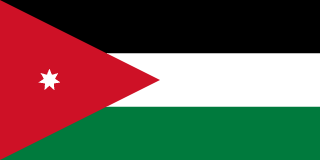
- The star:
- White seven-pointed star in a red triangle
- Liberia
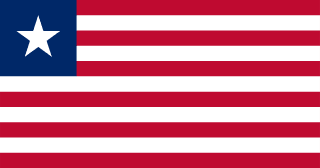
- The star:
- White star in a blue square
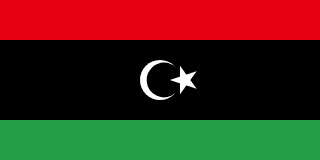
- Libya
- The star:
- White star and crescent on the black band
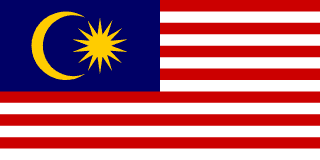
- Malaysia
- The star:
- Yellow star with 14 points beside a crescent
- Marshall Islands
- The star:
- White star with 24 points
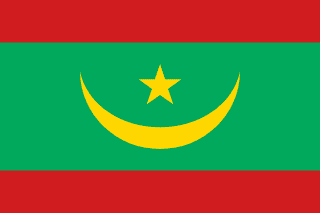
- Mauritania
- The star:
- Yellow star above a yellow crescent
- Moldova
- The star:
- Small gold star inside the coat of arms
- Morocco
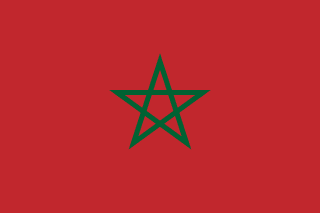
- The star:
- Green interlaced star on red
- Mozambique
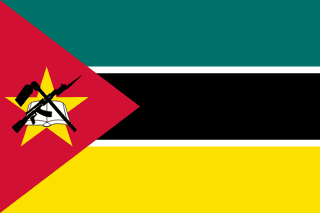
- The star:
- Yellow star behind a book, a rifle and a hoe
- Myanmar
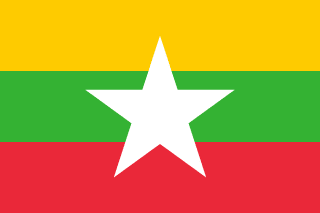
- The star:
- Large white star across all three bands
- Nauru
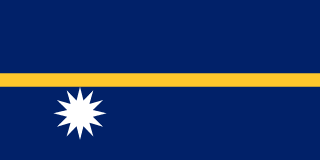
- The star:
- White star with 12 points
- North Korea
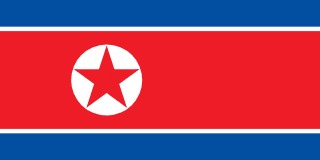
- The star:
- Red star in a white disc
- Pakistan
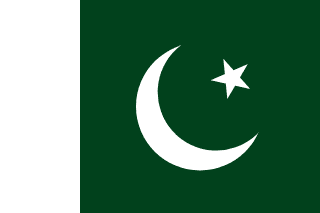
- The star:
- White star and crescent on green
- Paraguay
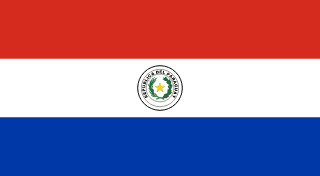
- The star:
- Yellow star in the seal at the centre
- Senegal
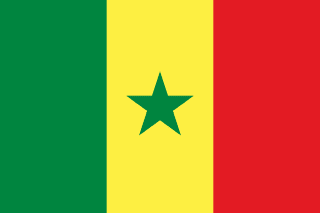
- The star:
- Green star on the yellow band
- Somalia
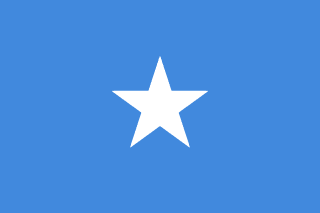
- The star:
- White star on light blue
- South Sudan
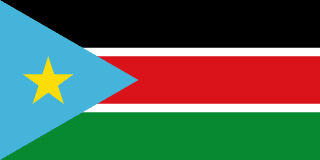
- The star:
- Yellow star in a blue triangle
- Suriname
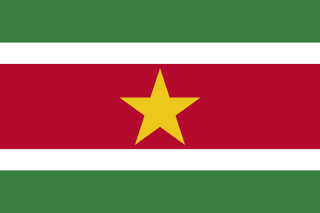
- The star:
- Yellow star on the red band
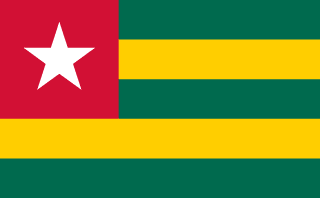
- Togo
- The star:
- White star in a red square
- Tunisia
- The star:
- Red star and crescent in a white disc
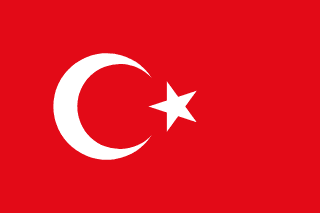
- Turkey
- The star:
- White star and crescent on red
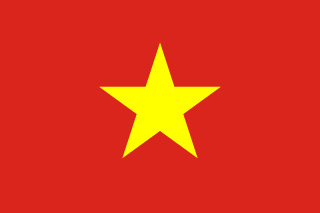
- Vietnam
- The star:
- Yellow star on red
- Zimbabwe
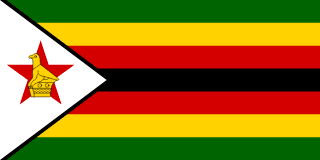
- The star:
- Red star in a white triangle
| Flag | Country | The star |
|---|---|---|
| Algeria | Red star and crescent on green and white |
| Angola | Yellow star above a machete and half a cogwheel |
| Azerbaijan | White eight-pointed star beside a crescent |
| Burkina Faso | Yellow star across the red and green bands |
| Cameroon | Yellow star on the red middle band |
| Central African Republic | Yellow star in the top left corner |
| Chile | White star in a blue square |
| Cuba | White star in a red triangle |
| DR Congo | Yellow star in the top left corner |
| Djibouti | Red star in a white triangle |
| East Timor | White star in a black triangle |
| Ethiopia | Yellow star on a blue disc |
| Ghana | Black star on the yellow band |
| Guinea-Bissau | Black star on the red band |
| Israel | Blue Star of David |
| Jordan | White seven-pointed star in a red triangle |
| Liberia | White star in a blue square |
| Libya | White star and crescent on the black band |
| Malaysia | Yellow star with 14 points beside a crescent |
| Marshall Islands | White star with 24 points |
| Mauritania | Yellow star above a yellow crescent |
| Moldova | Small gold star inside the coat of arms |
| Morocco | Green interlaced star on red |
| Mozambique | Yellow star behind a book, a rifle and a hoe |
| Myanmar | Large white star across all three bands |
| Nauru | White star with 12 points |
| North Korea | Red star in a white disc |
| Pakistan | White star and crescent on green |
| Paraguay | Yellow star in the seal at the centre |
| Senegal | Green star on the yellow band |
| Somalia | White star on light blue |
| South Sudan | Yellow star in a blue triangle |
| Suriname | Yellow star on the red band |
| Togo | White star in a red square |
| Tunisia | Red star and crescent in a white disc |
| Turkey | White star and crescent on red |
| Vietnam | Yellow star on red |
| Zimbabwe | Red star in a white triangle |
Flags with white stars
White is the most common colour for a star. Fourteen of the flags with several stars use only white ones: Australia, Bosnia and Herzegovina, Brazil, Comoros, Micronesia, Papua New Guinea, Saint Kitts and Nevis, Samoa, Singapore, Solomon Islands, Turkmenistan, the United States, Uzbekistan and Venezuela.
Fourteen single-star flags have a white star too: Azerbaijan, Chile, Cuba, East Timor, Jordan, Liberia, Libya, the Marshall Islands, Myanmar, Nauru, Pakistan, Somalia, Togo and Turkey. Yellow comes second. The CSV gives the colour of every flag's stars.
Stars I did not count
- Nepal's flag has a moon and a sun, not stars. Namibia, Kiribati, Kazakhstan, Argentina and Uruguay fly a sun as well.
- Bolivia and Costa Rica add a coat of arms with stars (ten and seven) to the flag their governments fly, but the everyday flag has none.
- Iraq removed its three green stars in 2008, and Syria no longer uses its two-star flag.
- Kosovo has six white stars, one for each of its six main ethnic groups, but it is not a UN member. The Cook Islands (15 stars, one per island) and Niue (5) are self-governing islands in free association with New Zealand.
Can you name them against the clock?
Flag Rush shows a flag and four names: pick the right country before the stopwatch runs out.
Play Flag RushQuestions people ask
Which country's flag has the most stars?
The United States, with 50 stars, one for each state. Brazil is second with 27 and Uzbekistan third with 12.
Which countries have 5 stars on their flag?
Seven: China, Honduras, Papua New Guinea, Samoa, Singapore, Solomon Islands and Turkmenistan.
Which countries have 2 stars on their flag?
Panama, Saint Kitts and Nevis, and São Tomé and Príncipe. Croatia has two as well, but they are tiny and sit in the crown of its coat of arms.
How many countries have stars on their flags?
68 of the 195 UN members and observer states, counting stars inside a coat of arms. Leave out the five whose stars are only in a coat of arms or seal and it is 63.
Sources
- United Nations: member states
- United Nations: non-member observer states
- Wikipedia: list of national flags of sovereign states (each links to its flag article)
- Wikipedia: Flag of the United States
- Wikipedia: Flag of Brazil
- Wikipedia: Flag of Uzbekistan
- Wikipedia: Flag of Bosnia and Herzegovina
- Wikipedia: Flag of Grenada
- Wikipedia: Flag of the Marshall Islands
- Wikipedia: Flag of Nauru
- Wikipedia: Flag of Syria
- Wikipedia: Flag of Turkmenistan
- Wikipedia: Flag of Panama
- Wikipedia: Coat of arms of Croatia
- Wikipedia: Coat of arms of Bolivia
- Wikipedia: Flag of Costa Rica
- Wikipedia: Flag of Iraq
- Wikipedia: Flag of Kosovo
- Wikipedia: Flag of the Cook Islands
- Wikipedia: Flag of Niue
- WorldAtlas: Country Flags With Stars
- Statista: the national flags with the most stars