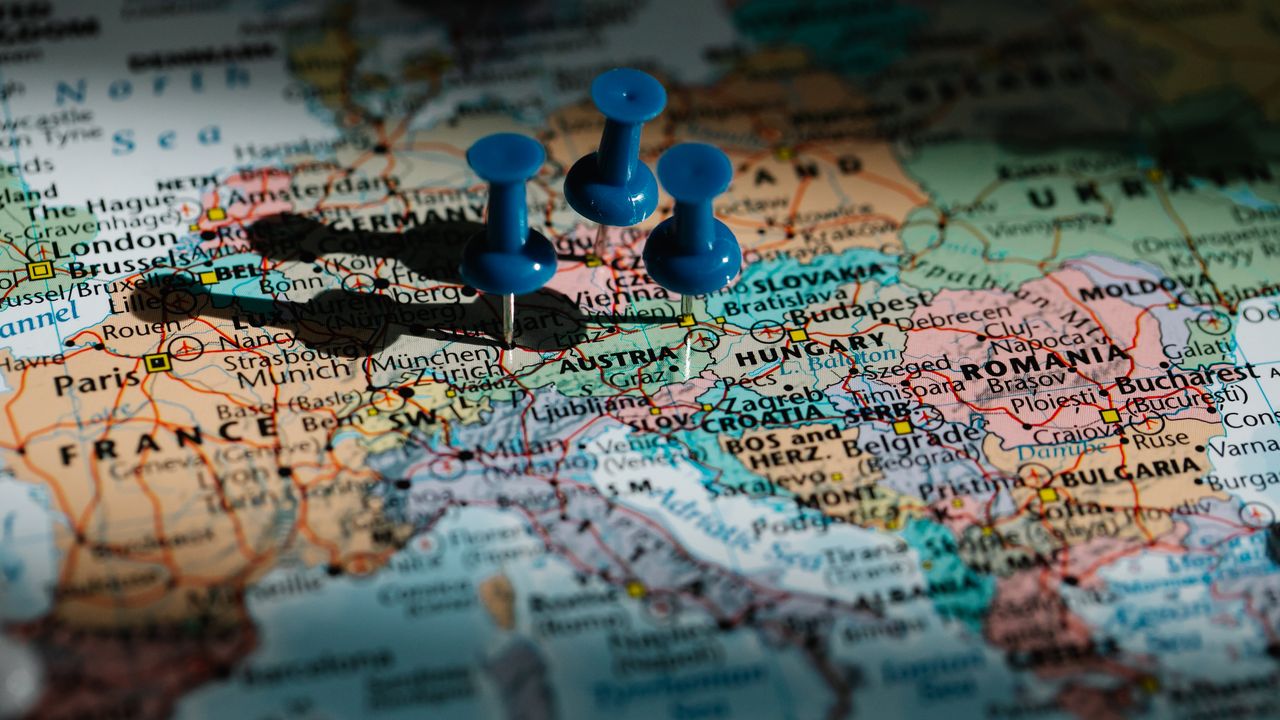
I group the countries the way the UN Statistics Division does in its M49 standard, the list the UN uses in its own statistics. The UN says the groups are for statistical convenience and imply nothing about politics. That is why a few of them surprise people: the UK is in Northern Europe, Czechia in Eastern Europe and Slovenia in Southern Europe. For a single A to Z list, see all European countries and capitals.
What countries are in Eastern Europe?
The UN lists 10 countries in Eastern Europe: Belarus, Bulgaria, Czechia, Hungary, Moldova, Poland, Romania, Russia, Slovakia and Ukraine. All of Russia counts here, including the part east of the Urals that lies in Asia.
Six of the ten are in the European Union: Bulgaria, Czechia, Hungary, Poland, Romania and Slovakia. Belarus, Moldova, Russia and Ukraine are not. Czechia, Hungary, Poland and Slovakia also call themselves Central European (see Central Europe below).
| Country | Capital |
|---|---|
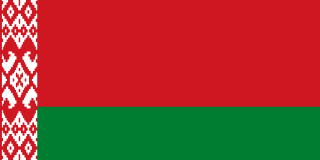 Belarus | Minsk |
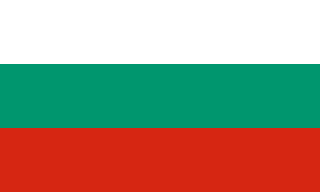 Bulgaria | Sofia |
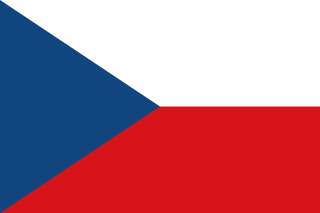 Czechia | Prague |
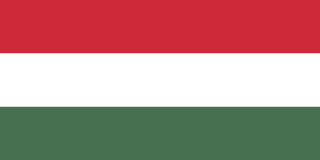 Hungary | Budapest |
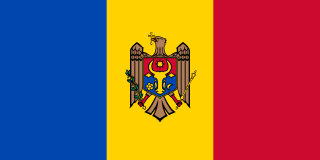 Moldova | Chisinau |
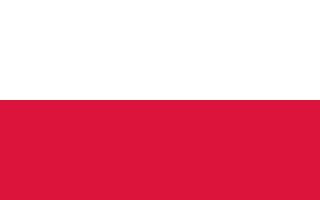 Poland | Warsaw |
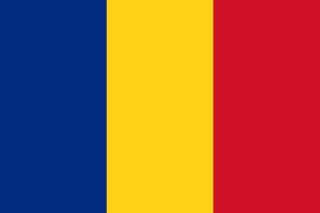 Romania | Bucharest |
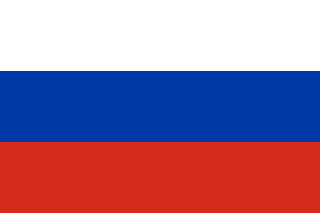 Russia | Moscow |
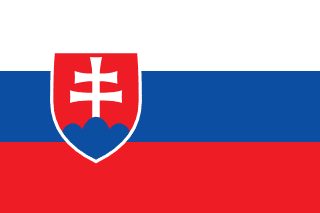 Slovakia | Bratislava |
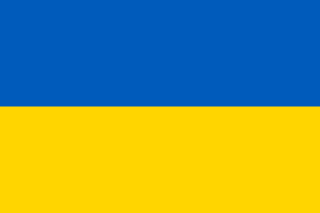 Ukraine | Kyiv |
What countries are in Western Europe?
The UN's Western Europe has 9 countries: Austria, Belgium, France, Germany, Liechtenstein, Luxembourg, Monaco, the Netherlands and Switzerland. The UK and Ireland are not on it. The UN puts both in Northern Europe, although people often call them Western Europe.
Austria, Germany, Switzerland and sometimes Liechtenstein are also called Central European.
| Country | Capital |
|---|---|
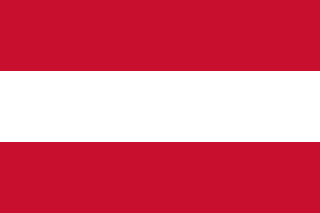 Austria | Vienna |
 Belgium | Brussels |
 France | Paris |
 Germany | Berlin |
 Liechtenstein | Vaduz |
 Luxembourg | Luxembourg |
 Monaco | Monaco |
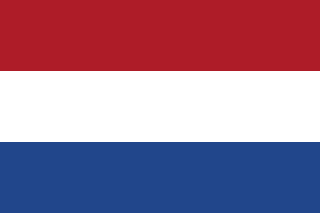 Netherlands | Amsterdam |
 Switzerland | Bern |
What countries are in Northern Europe?
Northern Europe also has 10 countries: the five Nordic countries (Denmark, Finland, Iceland, Norway and Sweden), the three Baltic states (Estonia, Latvia and Lithuania), and the UK and Ireland.
Scandinavia in the narrow sense is only Denmark, Norway and Sweden; add Finland and Iceland and you have the Nordic countries. The UN also lists several territories in this region, such as the Faroe Islands, Svalbard, the Isle of Man, Jersey and Guernsey. None of them is an independent country, so they are not in the count.
| Country | Capital |
|---|---|
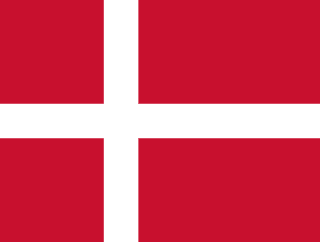 Denmark | Copenhagen |
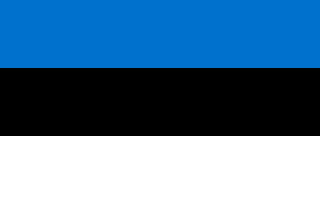 Estonia | Tallinn |
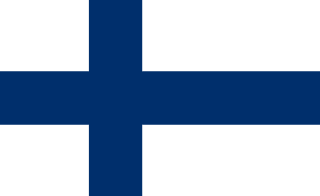 Finland | Helsinki |
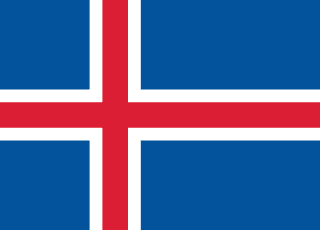 Iceland | Reykjavik |
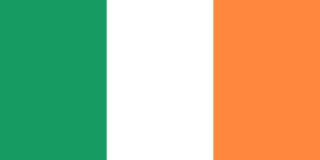 Ireland | Dublin |
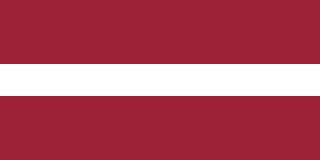 Latvia | Riga |
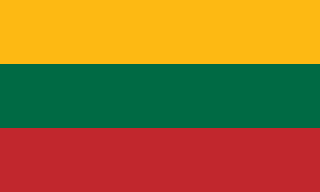 Lithuania | Vilnius |
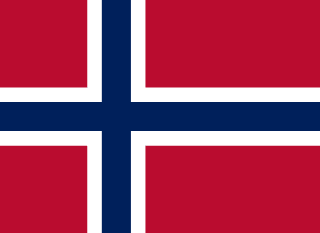 Norway | Oslo |
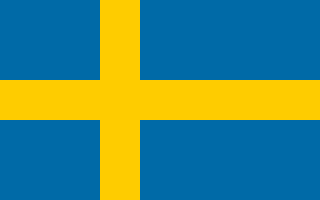 Sweden | Stockholm |
 United Kingdom | London |
What countries are in Southern Europe?
Southern Europe is the largest group, with 15 countries: Albania, Andorra, Bosnia and Herzegovina, Croatia, Greece, Italy, Malta, Montenegro, North Macedonia, Portugal, San Marino, Serbia, Slovenia, Spain and Vatican City (the UN lists it as the Holy See).
It includes Spain, Portugal and Andorra, Italy and the two small states inside it, Malta, Greece, Albania and the countries of the former Yugoslavia. Britannica, by contrast, calls Slovenia a country of central Europe. Kosovo is not on the UN list at all.
| Country | Capital |
|---|---|
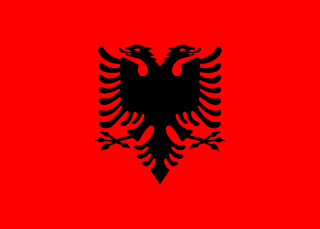 Albania | Tirana |
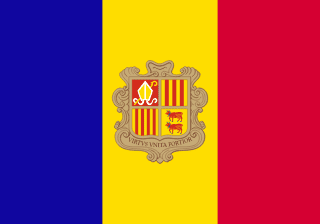 Andorra | Andorra la Vella |
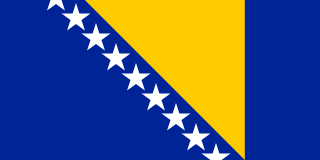 Bosnia and Herzegovina | Sarajevo |
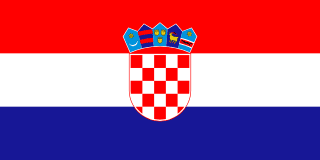 Croatia | Zagreb |
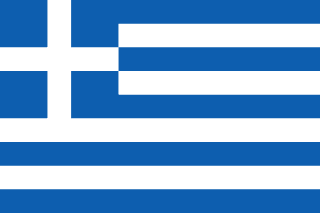 Greece | Athens |
 Italy | Rome |
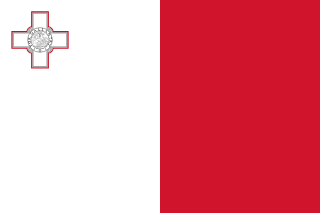 Malta | Valletta |
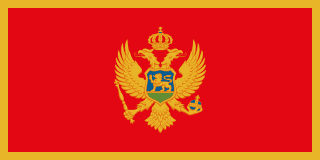 Montenegro | Podgorica |
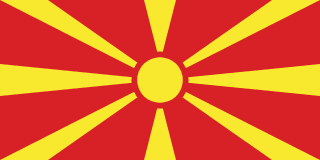 North Macedonia | Skopje |
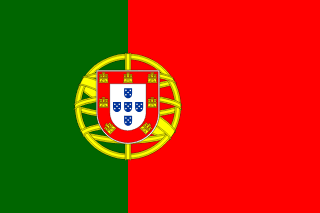 Portugal | Lisbon |
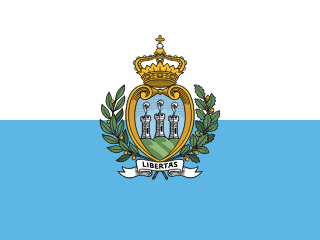 San Marino | San Marino |
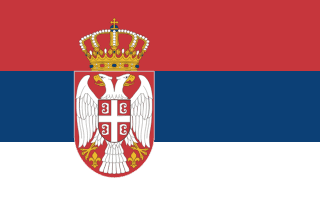 Serbia | Belgrade |
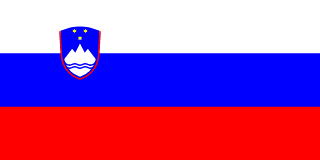 Slovenia | Ljubljana |
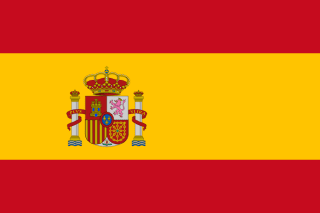 Spain | Madrid |
 Vatican City | Vatican City |
Which countries are in Central Europe?
Central Europe is not one of the UN regions, so there is no official list. The narrow version is the Visegrád Group, four countries that describe themselves as Central European: Czechia, Hungary, Poland and Slovakia. The UN puts all four in Eastern Europe.
Wider lists add Austria, Germany, Slovenia and Switzerland. Britannica describes all eight as central European, Germany as "north-central" and Austria as "south-central". The table shows where the UN puts each of them.
| Country | UN region |
|---|---|
| Austria | Western Europe |
| Czechia | Eastern Europe |
| Germany | Western Europe |
| Hungary | Eastern Europe |
| Poland | Eastern Europe |
| Slovakia | Eastern Europe |
| Slovenia | Southern Europe |
| Switzerland | Western Europe |
Where do Turkey, Cyprus, the Caucasus and Kosovo go?
Seven countries that often appear on lists of Europe sit outside the UN's four European regions. Add them to the 44 and you get 51, the number our Europe Countries Game asks you to name.
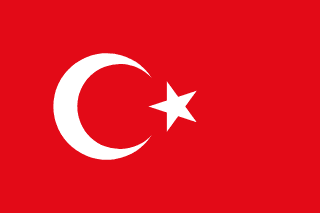 Turkey
- UN region:
- Western Asia
- Why Europe lists include it:
- Turkish Thrace, its northwest corner, is in Europe
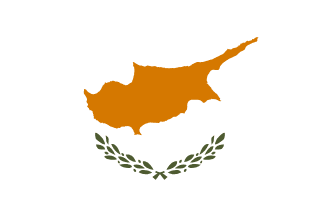 Cyprus
- UN region:
- Western Asia
- Why Europe lists include it:
- EU member since 2004
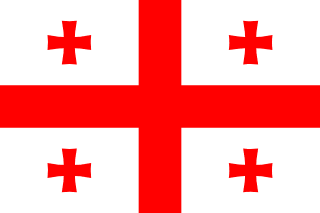 Georgia
- UN region:
- Western Asia
- Why Europe lists include it:
- Council of Europe member
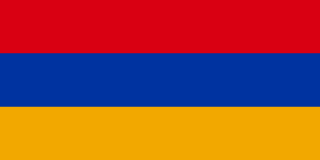 Armenia
- UN region:
- Western Asia
- Why Europe lists include it:
- Council of Europe member
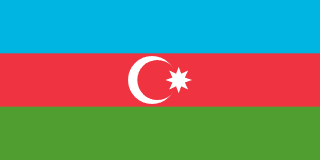 Azerbaijan
- UN region:
- Western Asia
- Why Europe lists include it:
- Council of Europe member
 Kazakhstan
- UN region:
- Central Asia
- Why Europe lists include it:
- A small part of the west is in Europe
 Kosovo
- UN region:
- Not listed
- Why Europe lists include it:
- Balkan state that declared independence from Serbia in 2008
| Country | UN region | Why Europe lists include it |
|---|---|---|
| Turkey | Western Asia | Turkish Thrace, its northwest corner, is in Europe |
| Cyprus | Western Asia | EU member since 2004 |
| Georgia | Western Asia | Council of Europe member |
| Armenia | Western Asia | Council of Europe member |
| Azerbaijan | Western Asia | Council of Europe member |
| Kazakhstan | Central Asia | A small part of the west is in Europe |
| Kosovo | Not listed | Balkan state that declared independence from Serbia in 2008 |
Britannica's line between Europe and Asia runs along the Ural Mountains, the Emba River in western Kazakhstan and the north shore of the Caspian Sea, which leaves the whole Caucasus in Asia. It also describes other schemes that put Georgia, Armenia and Azerbaijan partly or fully in Europe. The countries that this kind of line cuts in two have their own page: countries on two continents.
Why lists of European regions disagree
The UN regions are built for counting, so they often clash with how countries see themselves or how they were grouped in the past. These are the usual swaps:
- The UK and Ireland are Northern Europe for the UN and often Western Europe in everyday speech.
- Czechia, Hungary, Poland and Slovakia are Eastern Europe for the UN and Central Europe for themselves.
- Austria, Germany and Switzerland are Western Europe for the UN and often Central Europe in other lists.
- Estonia, Latvia and Lithuania are Northern Europe for the UN. They were Soviet republics until 1991 and are still sometimes listed as Eastern Europe.
- Turkey, Cyprus and the three Caucasus countries are Asia for the UN and Europe on many political lists.
The Cold War split still shows in the UN's Eastern Europe. Britannica defines the Eastern bloc as the countries aligned with the Soviet Union from about 1945 to 1990, among them Poland, Czechoslovakia, Hungary, Romania and Bulgaria. Those five, with Czechoslovakia now split into Czechia and Slovakia, make six of the UN's ten. The other four, Belarus, Moldova, Russia and Ukraine, were part of the Soviet Union itself.
Can you name all 51?
Type every European country from memory and watch the map fill in. Use the regions above as a memory aid.
Play Europe Countries GameQuestions people ask
What are the four regions of Europe?
In the UN scheme they are Eastern, Northern, Southern and Western Europe, with 10, 10, 15 and 9 countries. Central Europe is a common fifth label, but the UN does not use it.
Is Russia in Eastern Europe?
Yes. The UN puts all of Russia in Eastern Europe, even though the land east of the Ural Mountains is in Asia. Moscow is on the European side.
Is Poland in Central or Eastern Europe?
Both labels are used. The UN puts Poland in Eastern Europe, while Britannica and the Visegrád Group, which Poland belongs to, call it Central European.
Is the UK in Western or Northern Europe?
The UN puts the UK and Ireland in Northern Europe. In everyday speech both are often called Western Europe.
Sources
- UN Statistics Division: standard country and area codes (M49), geographic regions
- World Bank: country list with capital cities
- European Union: EU countries
- European Union: Cyprus
- Council of Europe: 46 member states
- Visegrad Group
- Britannica: Europe (the boundary with Asia)
- Britannica: Scandinavia
- Britannica: Eastern bloc
- Britannica: Estonia
- Britannica: Belarus
- Britannica: Moldova
- Britannica: Poland
- Britannica: Czech Republic
- Britannica: Hungary
- Britannica: Slovakia
- Britannica: Slovenia
- Britannica: Switzerland
- Britannica: Germany
- Britannica: Austria
- Britannica: Turkey
- Britannica: Kosovo